
Climate-X
Here is ÉVOSZ’s solution for tackling heatwaves and the energy crisis

The latest announcement from ÉVOSZ could hardly be more timely: it relates both to the latest gruelling heatwave and to the urgent need for energy conservation, which has become a pressing issue due to the situation at the Paks nuclear power station. The proposal highlights the importance of energy efficiency improvements in buildings and calls for a rethink of this area.
According to the organisation, a wide-ranging energy efficiency upgrade of the country’s building stock could help save up to one billion cubic metres of natural gas during the winter months.
In summer, however, refurbishments based on appropriate thermal insulation and shading can reduce a building’s cooling energy requirements by up to half.
It would be possible to save up to half of the Paks power station’s output
They emphasise that a well-designed building envelope is just as important during summer heatwaves as it is in winter. This is because, in summer, it slows down the influx of external heat, reduces overheating and maintains a comfortable indoor temperature for longer.
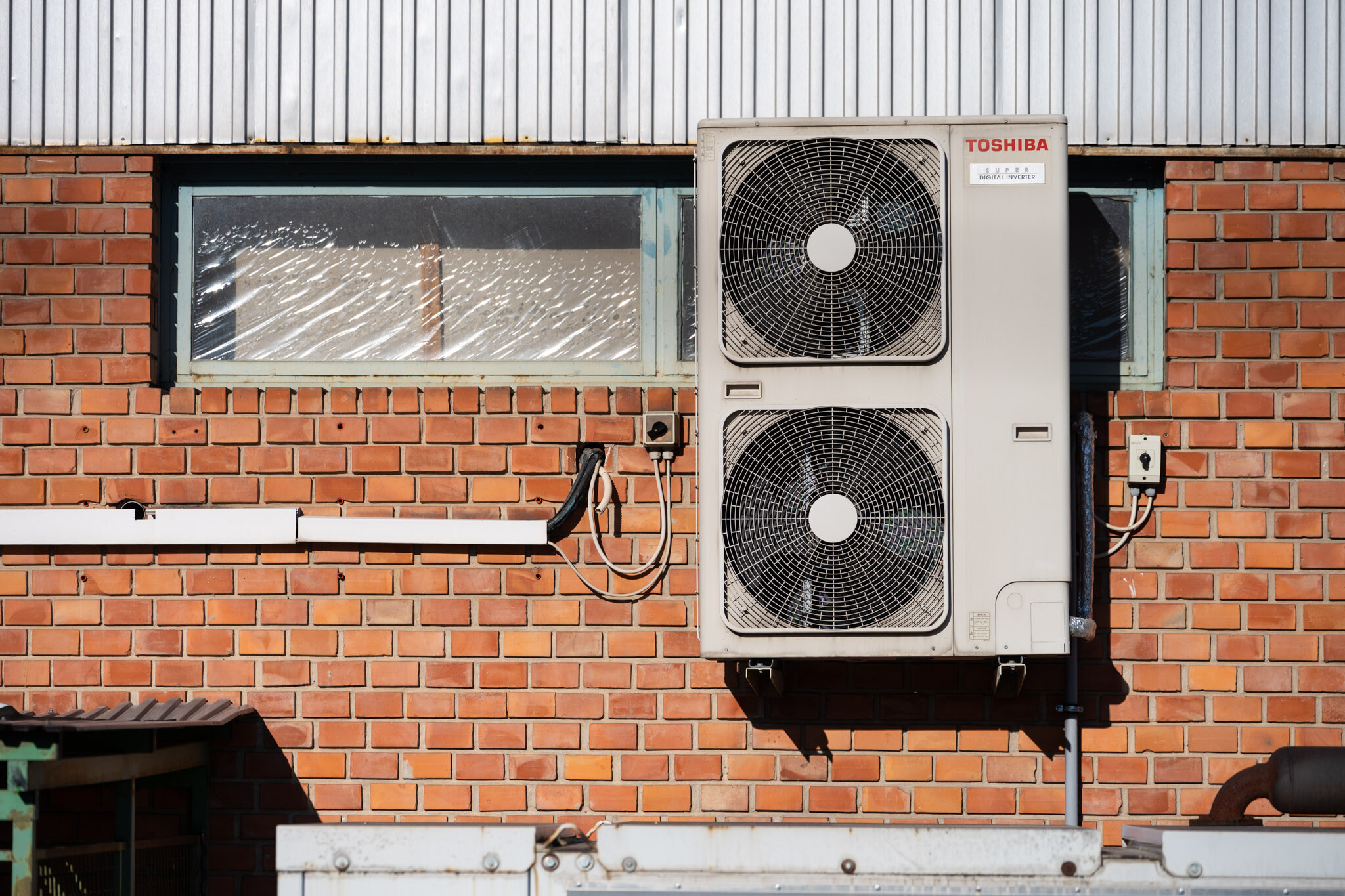
The scale of the problem is also illustrated by an illustrative estimate. This estimate assumes, on an optional basis, that there are around 1.5–2 million households in Hungary equipped with air conditioning units, each of which consumes an average of approximately 1 kW of electrical power for cooling. Given that, during the current spell of extreme heat, a significant proportion of these are operating simultaneously, the combined load at the peak of a nationwide heatwave could reach 1,500–2,000 MW. This is roughly comparable to the Paks Nuclear Power Station’s rated output of around 2,000 MW.
According to their analysis, if the modernisation works were to reduce cooling requirements by 50 per cent, the country’s electricity demand could fall by as much as 750–1,000 MW during the hottest hours. This would represent a reduction in peak load equivalent to approximately 40–50 per cent of the Paks Nuclear Power Station’s rated capacity.
The ÉVOSZ’s estimate is more conservative than that of the International Energy Agency
The statement notes that the figures contained therein are illustrative ÉVOSZ estimates, and not separate national measurement results. It adds that, according to the International Energy Agency, the combined use of adequate thermal insulation and external shading can reduce a building’s cooling requirements by up to 80 per cent under favourable conditions.
The ÉVOSZ takes a more cautious approach, estimating a 50 per cent potential for modernisation. This assumes not only adequate thermal insulation but also external shading, airtightness and ventilation.
The air conditioning should run when the solar panels are generating electricity – but this requires a thermal envelope
Nevertheless, they point out that it is not only the amount of electricity we use for cooling that matters, but also when we use it. Buildings can be pre-cooled during the daytime hours when solar panel output is high. However, this only offers a real benefit if the building has an adequate thermal envelope: good thermal insulation and shading slow down the process of the building warming up again, meaning that the comfortable temperature achieved during the day can be maintained into the late afternoon and evening. A poorly insulated building, on the other hand, heats up again quickly, so the air-conditioning system has to be run at high power once more in the evening.
Calls are being made for the introduction of a residential tariff based on smart meters
A well-insulated building therefore allows part of the remaining energy consumption to be shifted to daytime hours, when solar energy generation is more favourable. Furthermore, a modernised building can be cooled comfortably even with a lower-capacity air-conditioning system, which reduces both capital and running costs.
The ÉVOSZ therefore considers it appropriate to examine the introduction of a voluntary, time-of-use electricity tariff for domestic customers based on smart meters. A lower price during the daytime, when solar panel generation is high, could encourage pre-cooling, whilst the higher price during the evening peak period would encourage the shifting of consumption to other times.
They emphasise that such a tariff can be truly effective in well-insulated buildings. Consumers could cool their homes at a lower cost when solar energy is abundant, and the building could maintain a comfortable temperature until the evening.
When carrying out improvements, make sure to focus not only on energy savings in winter but also on heat protection in summer!
In conclusion, they summarise that all this could simultaneously reduce household costs, evening system load and the demand for electricity imports, whilst improving the use of domestic solar energy. All this is fully compatible with the principles of utility bill reduction; where applicable, time-of-use tariffs could offer greater discounts during daytime hours compared with evening consumption.
They are calling for renovation programmes to focus not only on winter energy savings but also on summer heat protection, reducing cooling energy requirements and mitigating peak demand.
„Good thermal insulation is no longer just a seasonal benefit, but ensures energy security and climate protection all year round,” the press release states.
Source: Link



The AKKO Invest may be expanded to include a designer of airport hotels

Drilling is also taking place beneath the railway: work on the Déli Körvasút project continues with the relocation of utility lines

The KBM call for entries is aimed at the cream of the crop of Hungarian architecture

Class HE-DO brought the summer to a close with a family sports day

Rain gardens are coming to Budafok, with over 3,000 square metres of green space set to be developed

Contemporary art deco in Csopakon

Four new bridges to be built in the heart of the former industrial city

Safer driving on the motorways: new digital signs for the MKIF
-

 Road building 2026. 08. 05.
The main road leading to a key tourist destination in Bihar is being upgraded using cold recycling technology
-
What is being built? 2026. 08. 06.
Paks II.: What does the new milestone for Unit 5 mean in the context of the review?
-
Climate-X 2026. 08. 05.
STRABAG is relieving the strain on the electricity system through plant shutdowns and reorganised production
-
Bound track 2026. 08. 03.
Work on the extension of Metro Line 3 is set to begin


