Bound track
Railway development that opens up new horizons wins deserved recognition

This year, the Southern Connecting Railway Danube Bridge won the Construction Industry Quality Award, the most prestigious award in the sector, in the transport facilities category. Duna Aszfalt Zrt. was responsible for the general construction, with bridge construction director Tamás Sereg leading the project. The company's experts received the award 12 December at the year-end gala of the National Association of Building Contractors in Budapest.
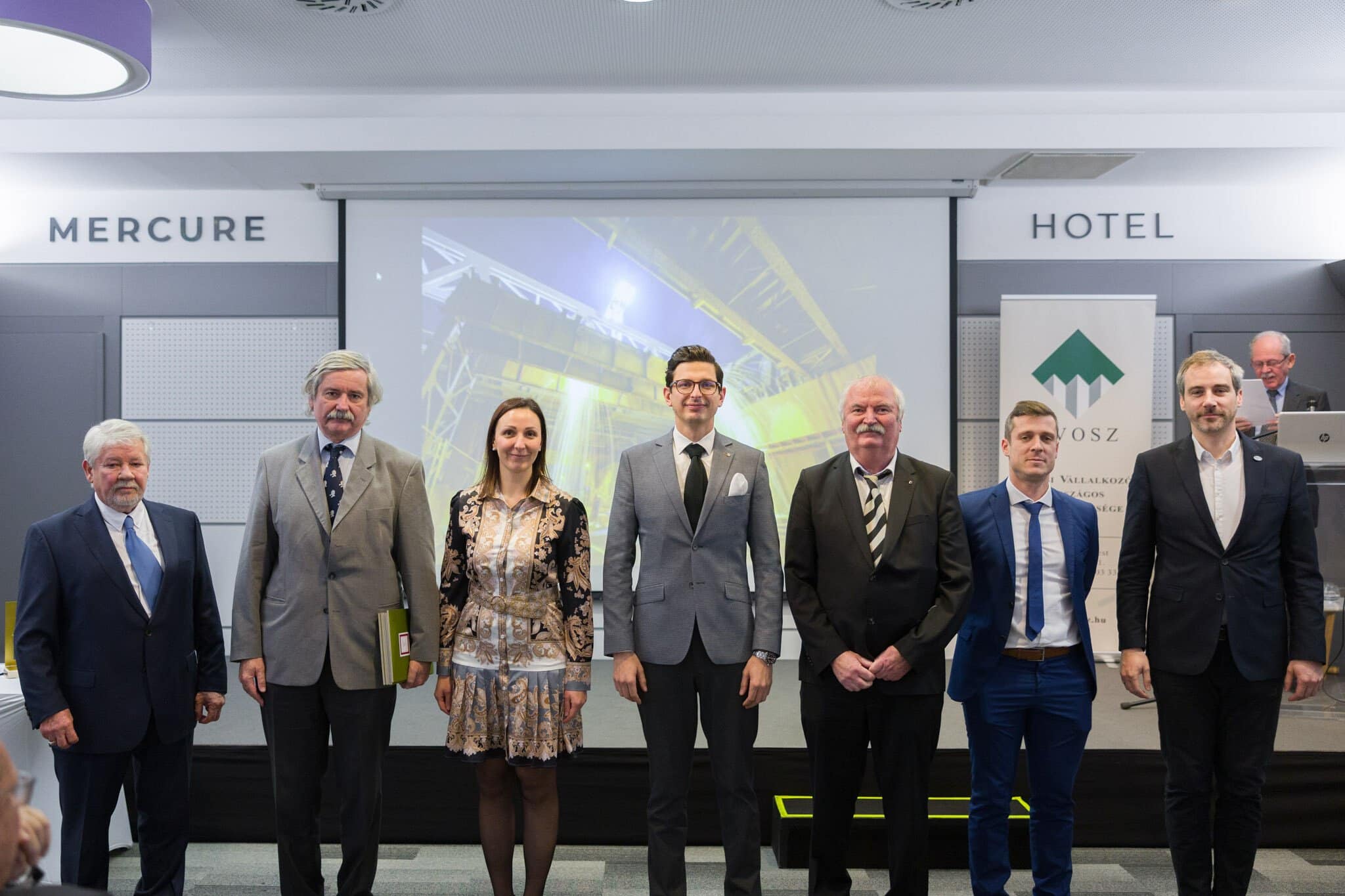
This year, the Danube Bridge, a railway linking the South to the Danube, won the Construction Award of Excellence in the category of transport facilities, the most prestigious award in the sector. The Duna Aszfalt Zrt. specialists responsible for the general construction
It also lays the foundations for improving suburban rail connections
As highlighted in the jury's laudation, the Budapest Southern Railway Bridge is Hungary's most important and busiest railway link on the Danube.
"Connecting the eastern and western areas, it will form the country's railway artery," Gábor Szabó, project manager for the Duna Aszfalt steel structures, added in a statement to our newspaper. "Moreover, after almost 70 years, a new railway section has been built across the Danube, so we are naturally proud to have been part of this successful project."
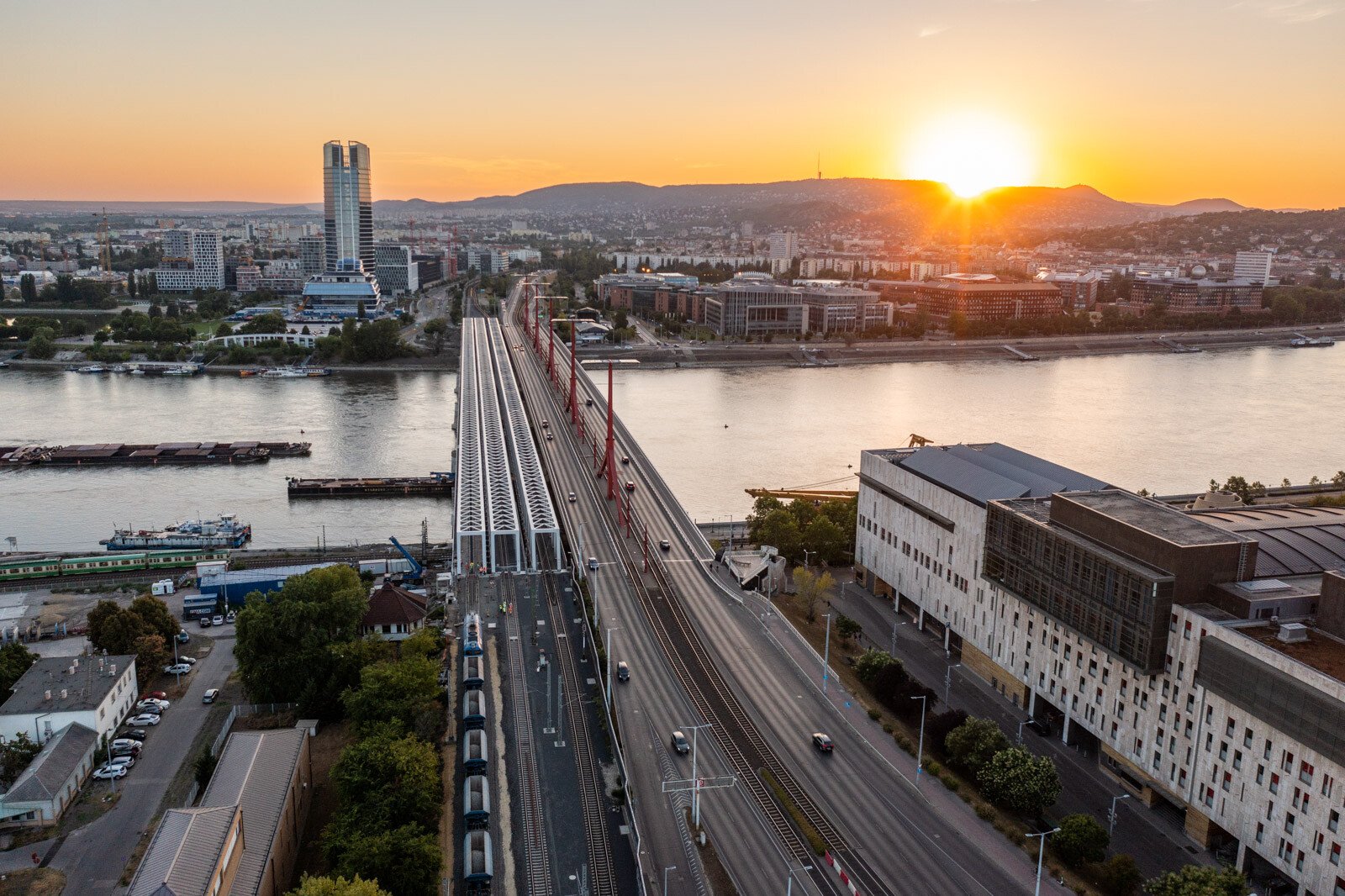
The laudation also outlined the additional infrastructural benefits of the project. "The three-bridge superstructure design also fitted in with the development potential of the three-track upgrade between Ferencváros and Kelenföld, as well as the suburban and long-distance rail connections."
They worked on a 150-year-old building, with constant traffic
At the same time, Gábor Szabó pointed out that the project, apart from its national transport significance, also has a significant weight in the industry.
"In hindsight, we see that this work is also highly appreciated at European level: the feedback at international conferences is good, and the bridge development is always very well evaluated internationally."
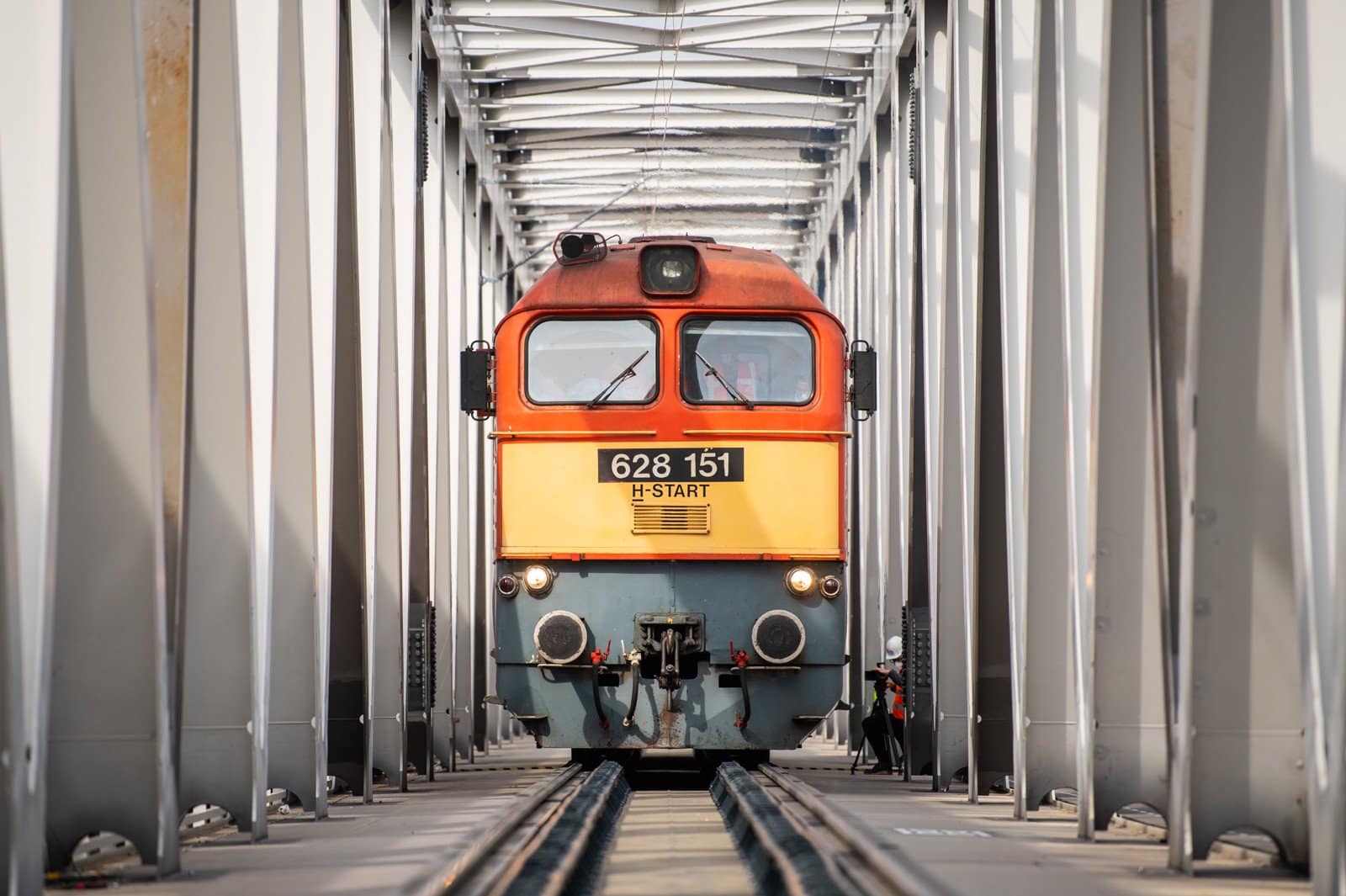
Another special feature is that it is a bridge with a history of almost 150 years, for which the steel structures were made in Paris at the time. Since then, the superstructure has been renovated five times, but as the laudation detailed, the condition of the former superstructure of the bridge, which is nearly 70 years old, has deteriorated and has reached the end of its design life. "The condition of the existing superstructures required reconstruction of the structure and the construction of a new third track railway bridge to meet the needs of the present day."
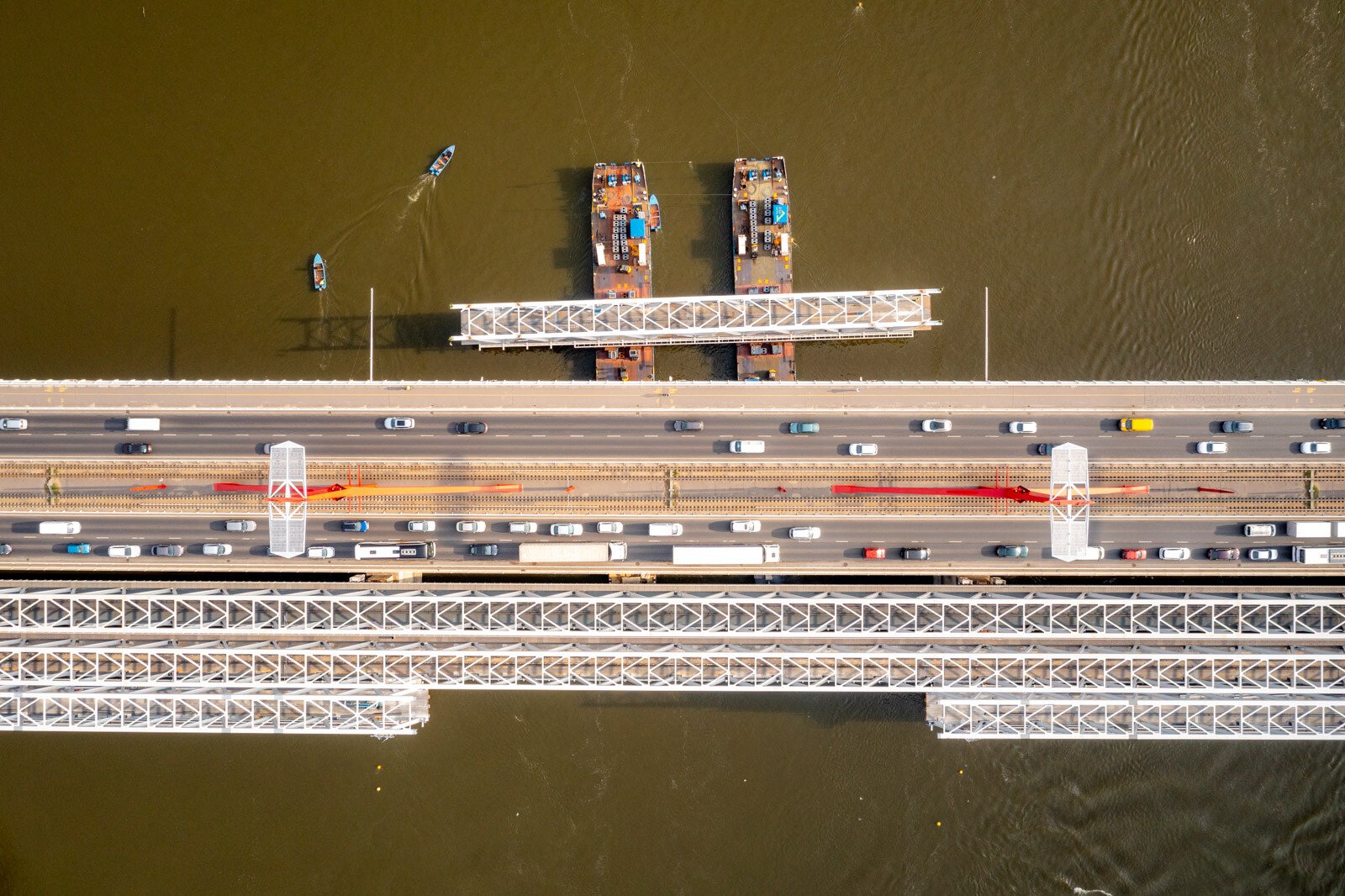
The project leader emphasized that the reconstruction was successfully carried out in such a way that
In the meantime, double-track rail traffic had to be maintained, as did shipping traffic. The project was located in one of the busiest parts of Budapest, so in addition to the above, traffic on Dombóvári út, the HÉV, the Rákóczi bridge, road and tram traffic, and pedestrian traffic on the Buda side had to be maintained.
The existing pillars had to be redesigned and raised
The laudation also discussed how the third bridge was built using existing piers with a completely new superstructure on the north side of the two old bridges, between the Rákóczi Bridge and the railway bridge. The demolition and reconstruction of the existing two old structures took place after the new structure was put into service.
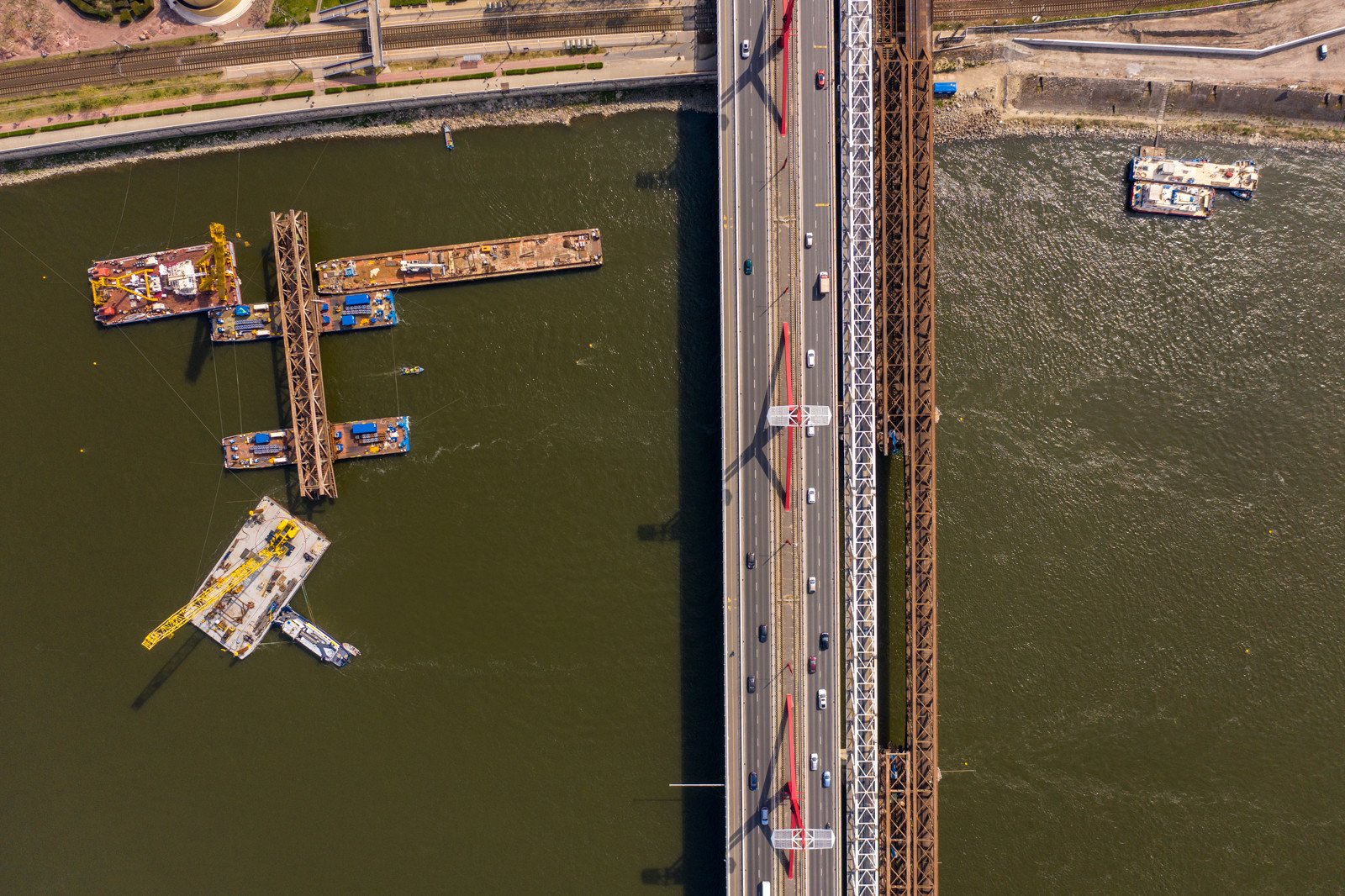
In the technology used, the superstructures of the new bridges were built in a pre-assembly port and lifted and moved to their final position by waterborne services, using a lifting device designed and manufactured for the project.
In addition, the existing pillars had to be modified and raised to accommodate the superstructures. It is also an important detail that the two old superstructures consisted of a 393-metre-long lattice permanent pier and two beam-framed shore openings; the new superstructure differs significantly from this, as it is a 493-metre-long lattice girder, thus increasing the space available for pedestrian traffic.
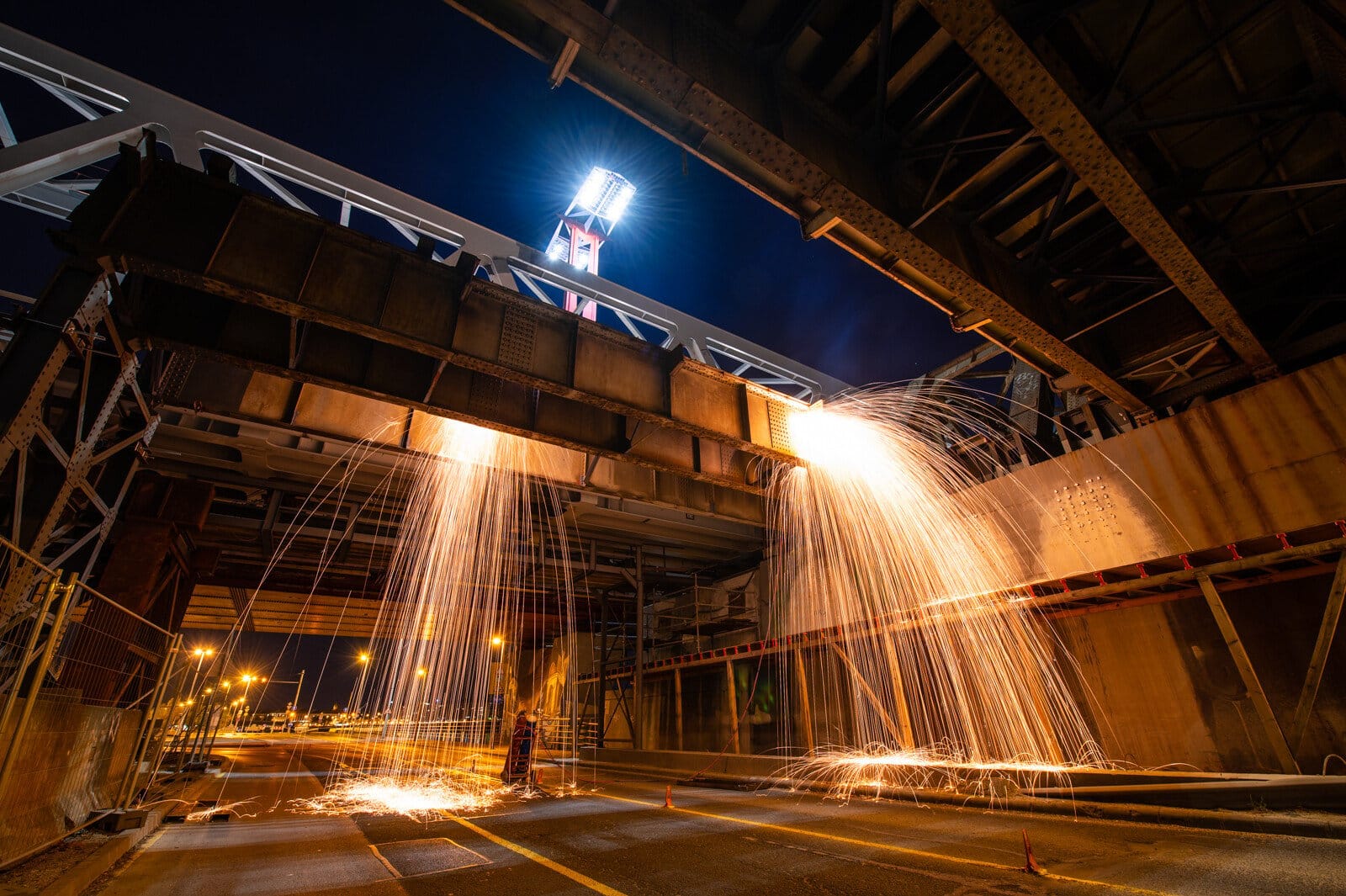
Summarising the challenges listed above, the laudation underlines that the whole organisation has presented particular challenges to the project staff: designers, contractors and development managers alike. "Thanks to their excellent teamwork, the renewed structure has opened up new horizons for domestic rail transport", concluded the jury's summary.
The actors of the project
The reconstruction of the southern connecting railway bridge was carried out by Duna Aszfalt Zrt. on the basis of an order from NIF Nemzeti Infrastruktúra Fejlesztő Zrt., the predecessor of Építési és Közlekedési Minisztérium. The general designers of the project were FŐMTERV Zrt. and Kontúr Csoport Kft., the section designers of the bridges were MSc Kft., FŐMTERV Zrt. and Speciálterv Kft.. The new superstructures were fabricated by WKS Duna Polska sp. z o.o. as part of Duna Csoport, and the shop corrosion protection was carried out in the painting shop at the Közgép Építő- és Fémszerkezetgyártó Zrt. site. The on-site installation and floating of the bridge elements was carried out by PROVIX HÍD Kft.. On-site water organisation, floating and lifting of the bridge elements was carried out by HSP Hídépítő Speciál Kft.. The technical control tasks were performed by ECO-TEC Kft.. The operator of the existing bridges and bridges under construction was MÁV Zrt.
Source : Link






Major Hungarian construction project in the Serbian capital – a specialised world exhibition is on the way

Roadworks are taking place at 15 locations in Balatonfüred

SWIETELSKY is inspecting and repairing the surface defects on Main Road 25

Pécs, Gödöllő and Budapest: four SPAR stores have been refurbished – here’s which ones

Rain gardens are coming to Budafok, with over 3,000 square metres of green space set to be developed

Four new bridges to be built in the heart of the former industrial city

Contemporary art deco in Csopakon

Safer driving on the motorways: new digital signs for the MKIF
-

 Bound track 2026. 10. 07.
Aurora beneath the Apennines – Another tunnel is being built on the Naples–Bari railway line
-
Road building 2026. 10. 13.
A consortium comprising STRABAG and Duna Aszfalt has been awarded the contract to build the North Macedonian motorway
-
What is being built? 2026. 10. 09.
One of Budapest’s oldest nurseries is being renovated whilst preserving its timber roof structure
-
Current at 2026. 10. 10.
„The focus will not be on Lean’s equipment, but on how we operate” – the ‘Lean in the Construction Industry’ conference in November