Industry news
Another step towards the implementation of the railway connection to Ferihegy Airport

A two-stage negotiated concession procurement procedure is being conducted for the construction of a fixed-track connection to Liszt Ferenc International Airport. According to previously announced plans, 27 km of railway track would be built, part of which would run underground, thus establishing direct rail transport between downtown Budapest and the airport. The airport will also be accessible from the countryside, as the new railway section between Kőbánya and Monor is planned to be integrated into the national network.

The concession includes design, construction and operation.
According to the announcement, the procedure is conditional. The concession covers planning, licensing, investment financing, operation and maintenance of the railway line and station, as well as the necessary technical inspection and certification tasks. The aim of the development is to provide a fast, predictable and sustainable fixed-track connection between the capital and the airport.
Decision may be made in mid-June
The public procurement call for tenders was published with detailed procedural conditions: in the first, participation phase, the contracting authority will decide on the suitability of the applicants to perform the contract, the validity of the applications for participation, and the group of applicants to be invited to tender. A maximum of three economic operators may enter the tendering phase. The procedure is scheduled to be completed on 15 June 2026. The concession period is 35 years.
Source: Link

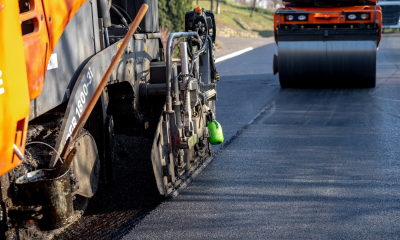







One of Abony’s most important transport routes is to be redesigned

This is how flash floods on the vineyard-covered hills in the Pécs conurbation are being prevented

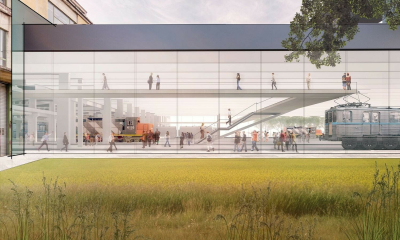
Order has been restored: production of the new Közlekedési Múzeum can now go ahead as originally planned

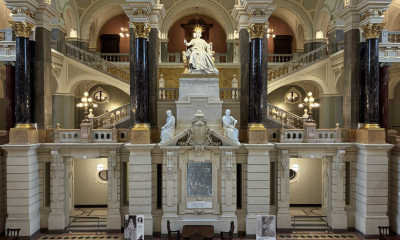
We took a look at how the refurbished Igazságügyi palota building turned out

Four new bridges to be built in the heart of the former industrial city

Rain gardens are coming to Budafok, with over 3,000 square metres of green space set to be developed

Contemporary art deco in Csopakon

Safer driving on the motorways: new digital signs for the MKIF
-

 Current at 2026. 09. 09.
A first-hand look at a career in engineering – Duna Group Szabadegyetem is back
-
Climate-X 2026. 09. 09.
Nyíregyháza Spartacus FC goes green – four hundred solar panels to be installed on the stadium roof
-
Bound track 2026. 09. 15.
Nearly 50,000 people travel on it every day – the refurbishment of the Cegléd main line continues
-
Current at 2026. 09. 09.
Rental flats, Rákosrendező, decentralisation – important ideas were put forward on the Real Estate Beach Conference stage