
What is being built?
The capacity expansion of the Szeged approach section of Main Road No. 5 was completed on schedule

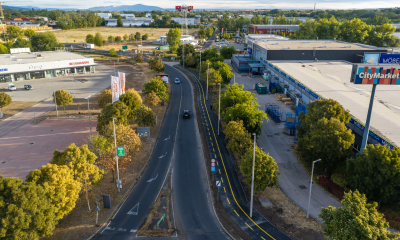
The conversion of the Szeged approach section of Main Road 5 to a four-lane carriageway has been completed. The construction work was finished on 30 July, and the technical handover procedure was concluded on 28 August – the contractor informed us in response to our enquiry.
Commissioned by Közlekedési és Beruházási Minisztérium, Colas Út Zrt. carried out the capacity expansion on the 2.2-kilometre section of Main Road 5 between the M43 motorway and the ELI-ALPS laser research centre, at a cost of 5.3 billion forints. We reported in detail on the progress of the project reported in detail in our previous article.
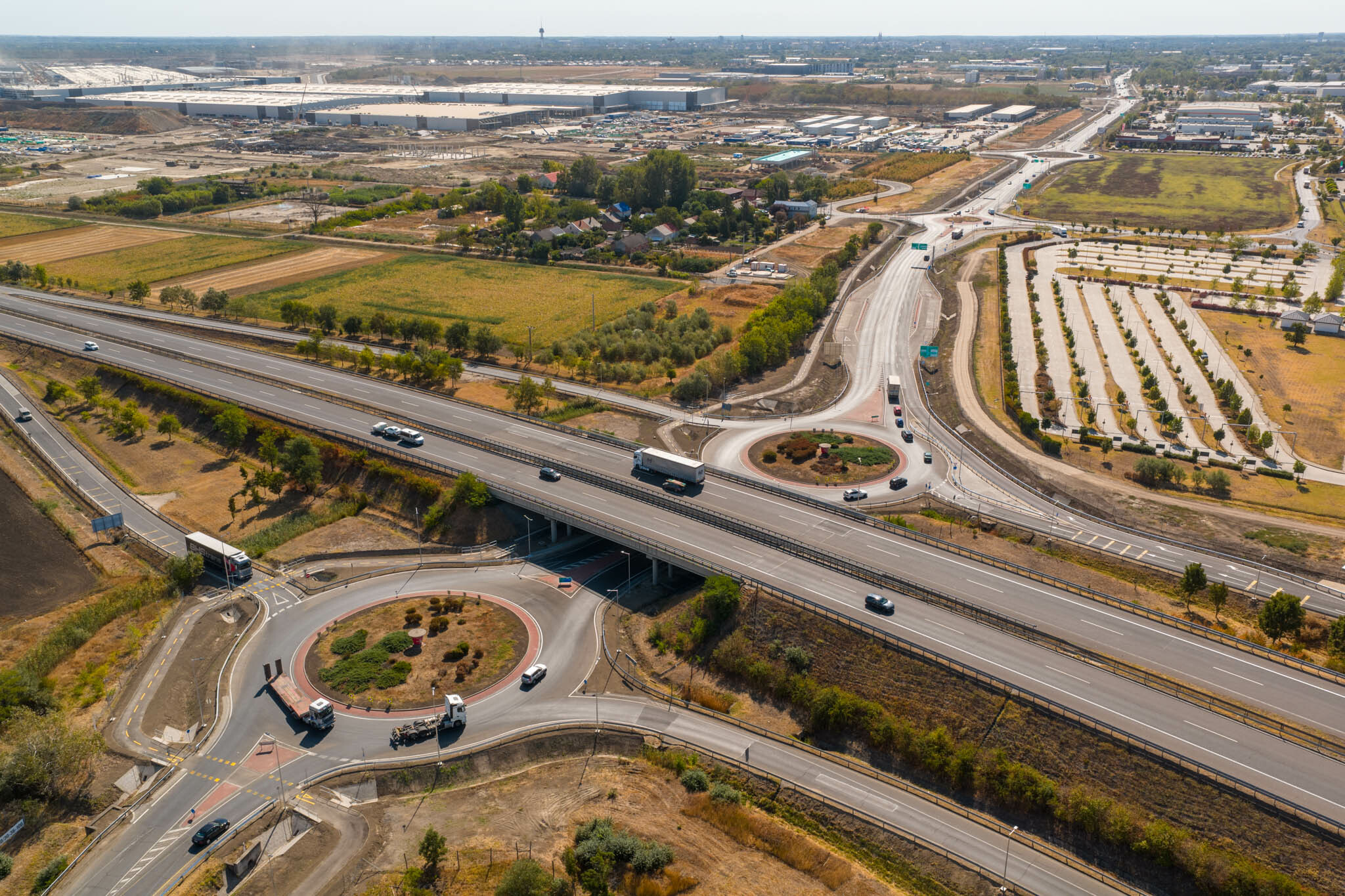
Asphalt surfacing was laid over an area of more than 48,000 square metres
During the project, a total of 2,239 metres of new road surface was laid. A total of 41,375 square metres of Main Road No. 5, a further 3,000 square metres of the connecting roads, and 4,110 square metres of the cycle path were resurfaced with new asphalt.
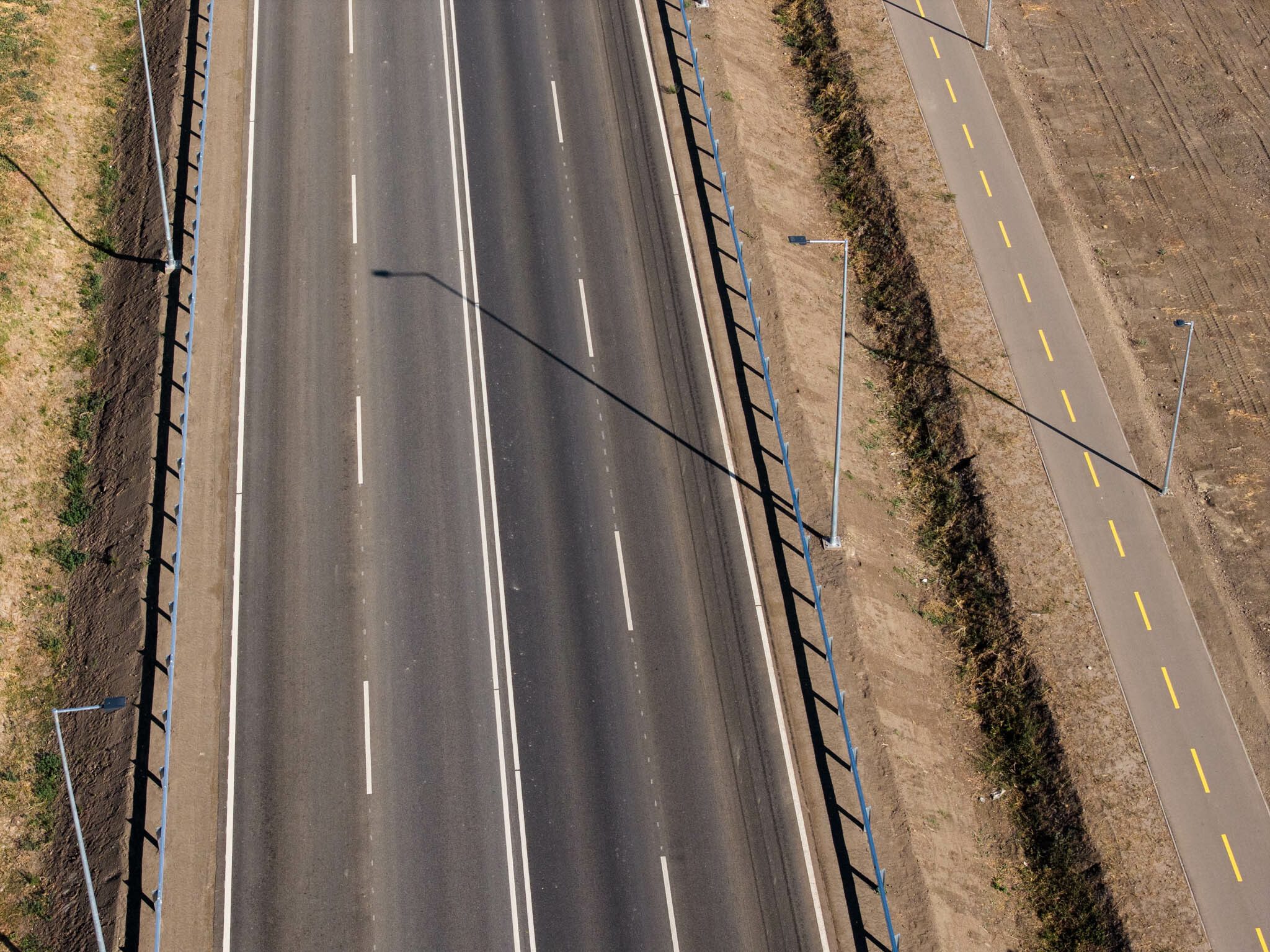
The scale of the works is reflected in the fact that a total of 48,000 cubic metres of material was incorporated into the sub-base, base and wearing courses, whilst the volume of the Ckt base course amounted to 7,352 cubic metres and that of the asphalt course to 7,844 cubic metres. In addition, 20,852 cubic metres of soil were stabilised, and 277 street lighting columns were erected along the entire section, approximately 2.3 kilometres long, alongside the road and cycle path.
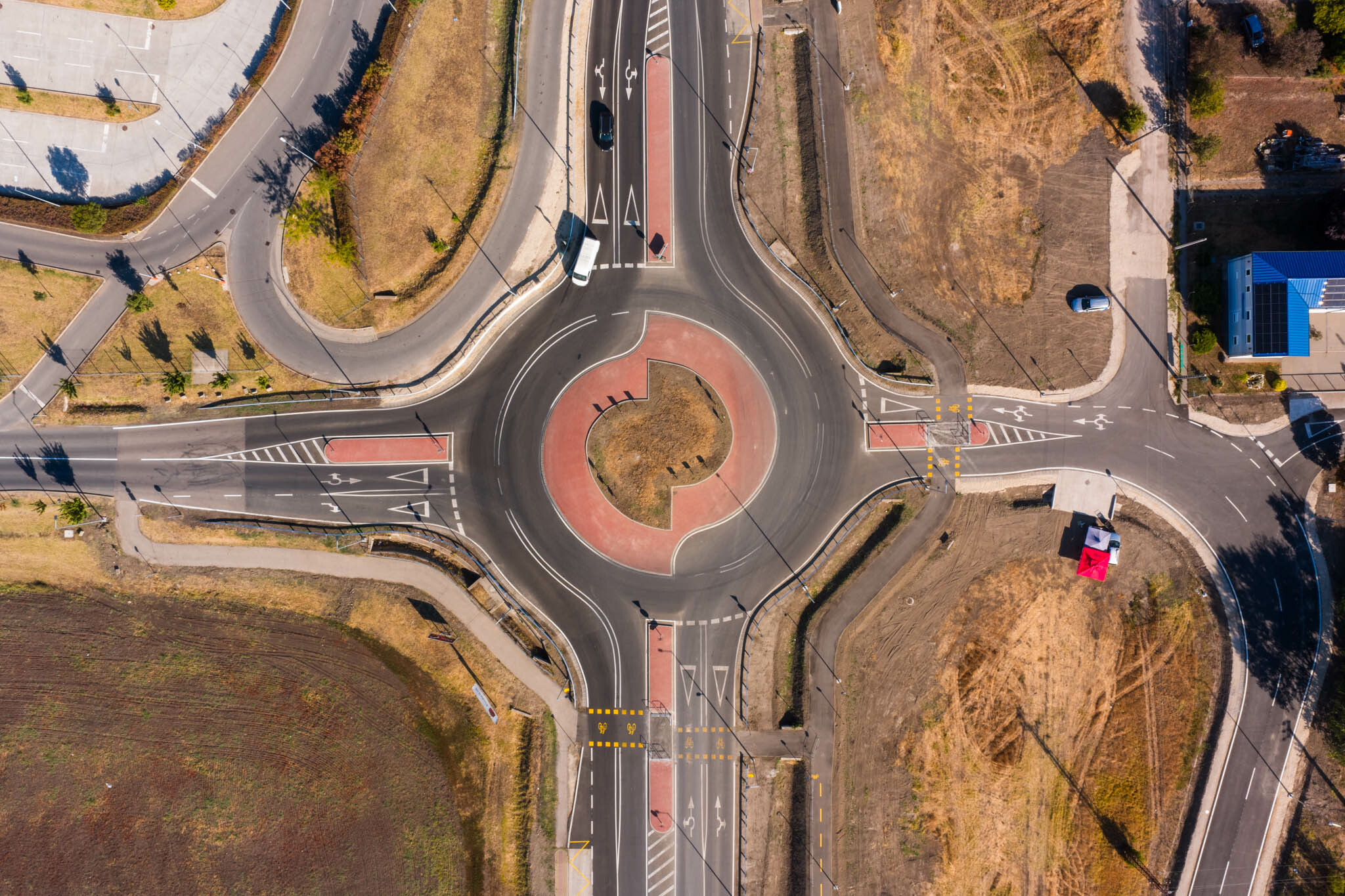
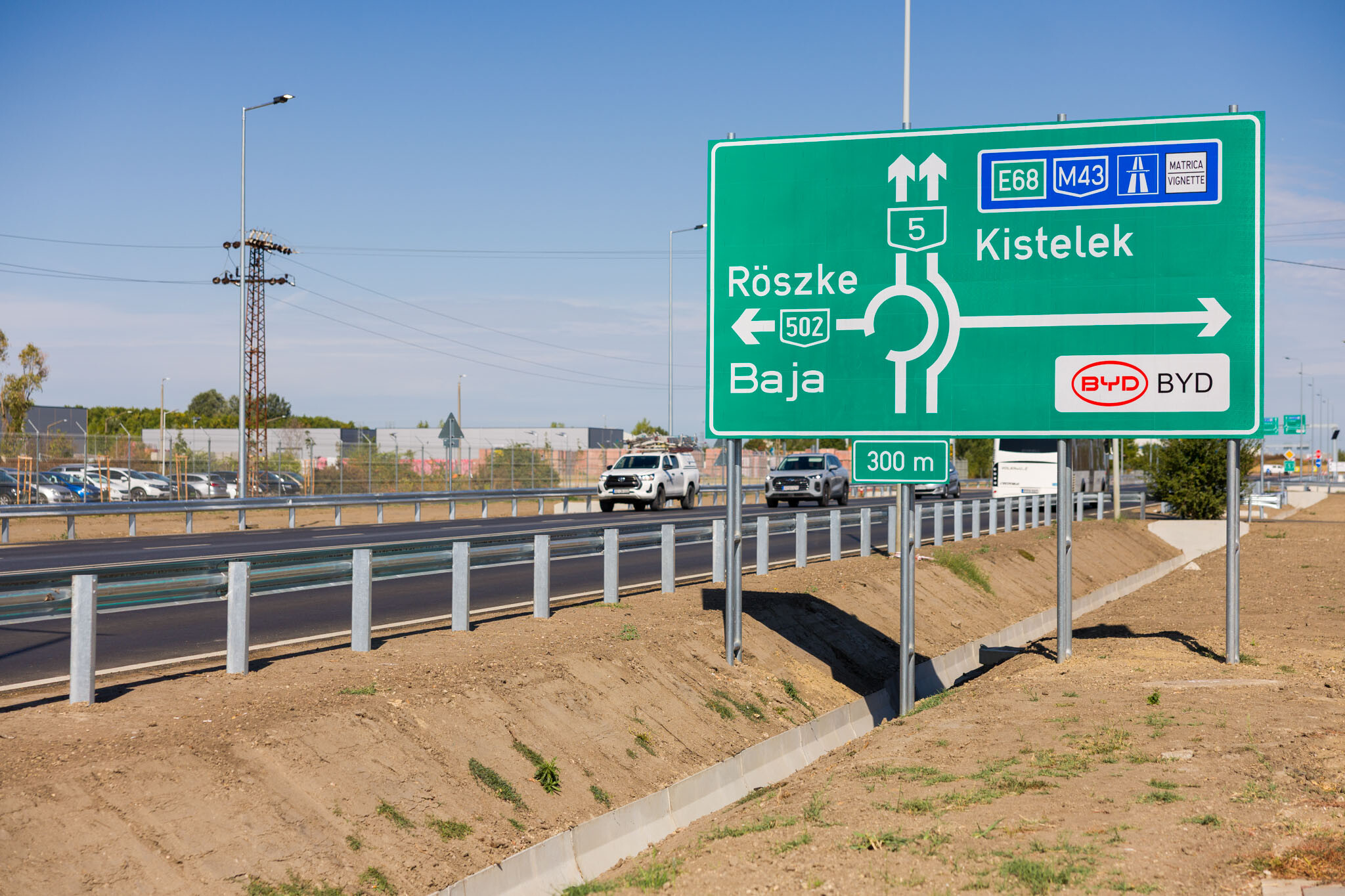
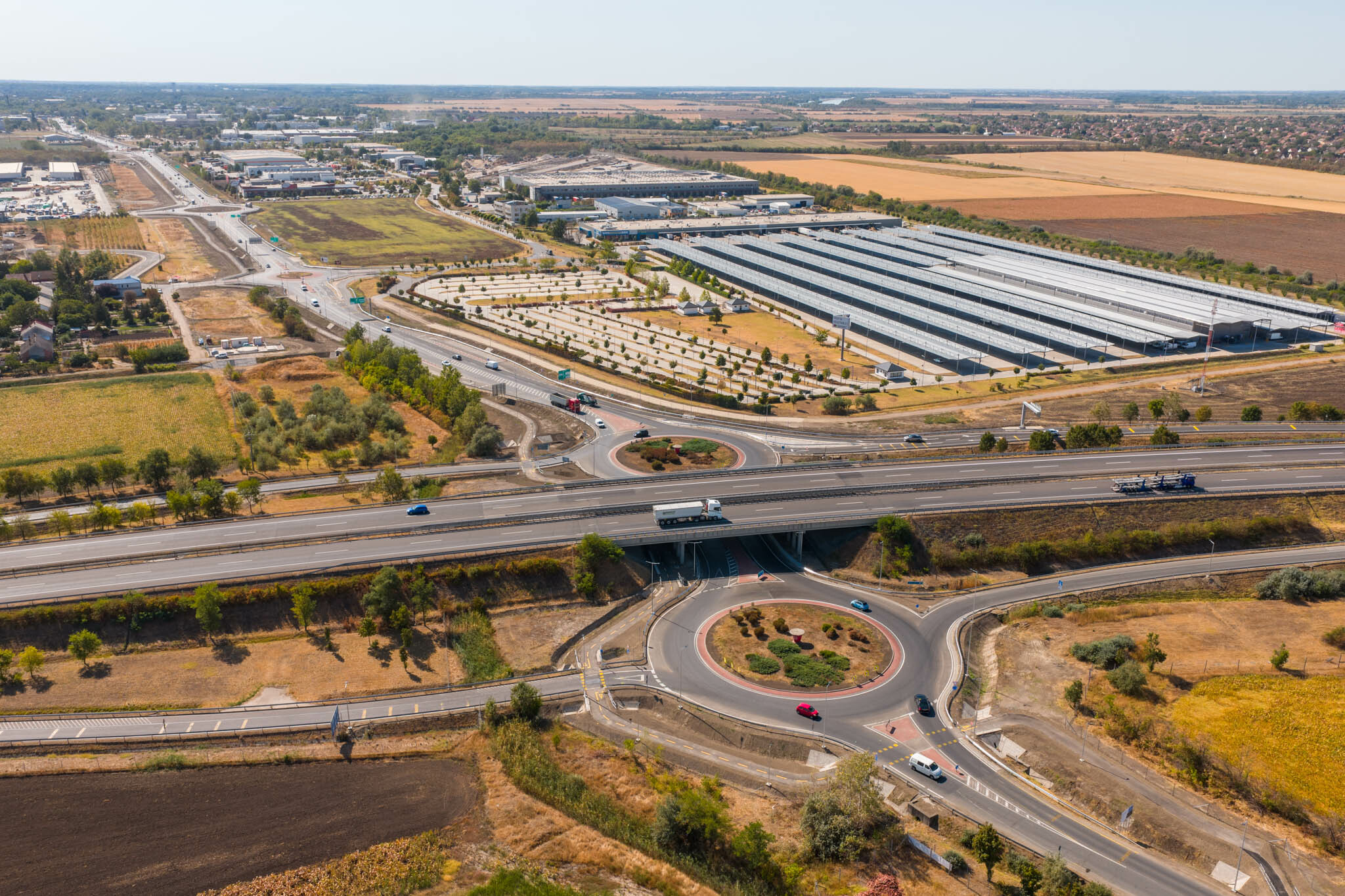
The capacity-expansion project involved a total of seven junctions, five of which are roundabouts. A new three-arm roundabout was built to serve the industrial estate, whilst a direct exit ramp was constructed on the M43 motorway for traffic heading towards Szeged.
First the new lanes were completed, then the old track was demolished
The team from Colas had to maintain traffic flow on Main Road 5 throughout the entire duration of the construction works. The works were carried out using half-lane closures and temporary diversions, whilst ensuring that two traffic lanes remained open at all times.
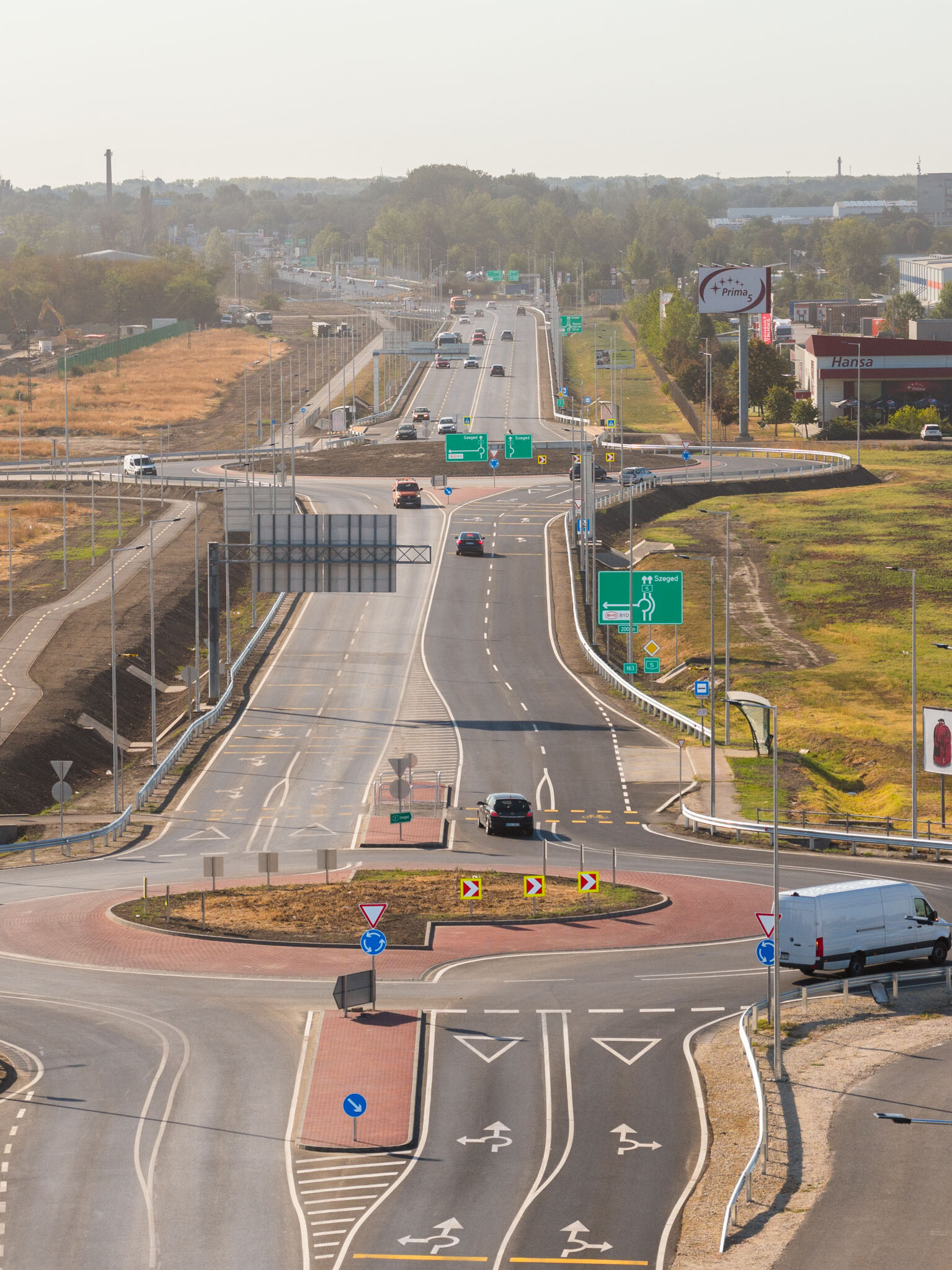
During the works, the track structure for the new tracks required for the widening was first constructed, after which traffic was diverted onto them. Only then was the track structure of the existing alignment demolished and rebuilt. As revealed in the Colas briefing, the demolition was justified by the results of preliminary pavement drilling and excavations: a road sub-base dating from the last century was found within the existing carriageway, upon which it was not technically feasible to lay the new layer sequence.
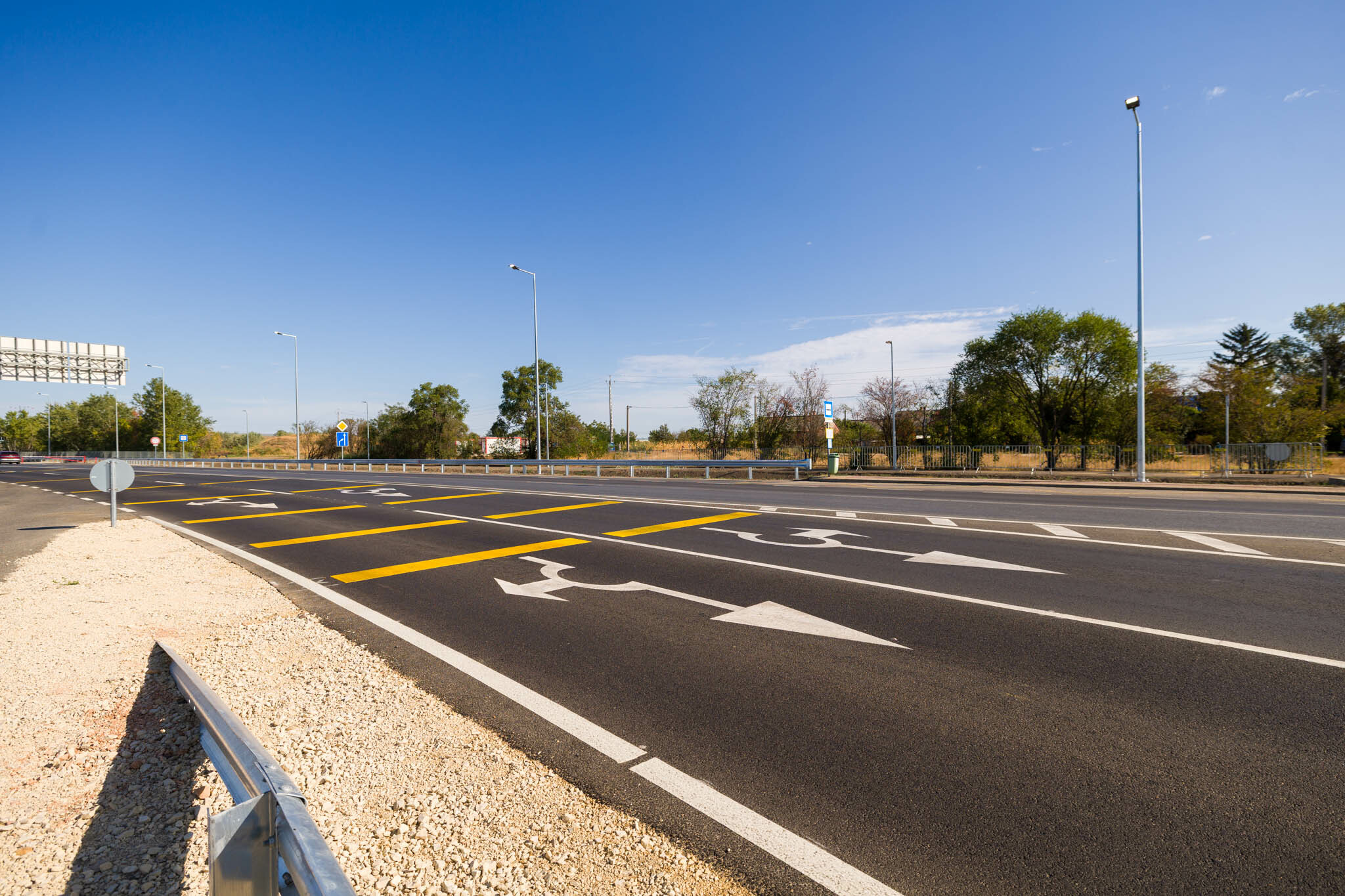
The asphalt deliveries arrived right on schedule
Even whilst the road was being resurfaced, every effort was made to ensure that road users faced as few restrictions as possible; for this reason, during each phase of the works, only one side (two of the four traffic lanes) was closed to traffic at any one time. The completed road features three layers of asphalt, forming a surface with a total thickness of 23 centimetres. The asphalt was supplied by the Colas mixing plant in Kiskunfélegyháza and the Délút mixing plant in Algyő.
When determining the required transport capacity, longer journey times due to morning and afternoon rush-hour traffic also had to be taken into account. The asphalt pavers operated using level control and under continuous surveying supervision, thus ensuring that the construction elevations specified in the plans were met.
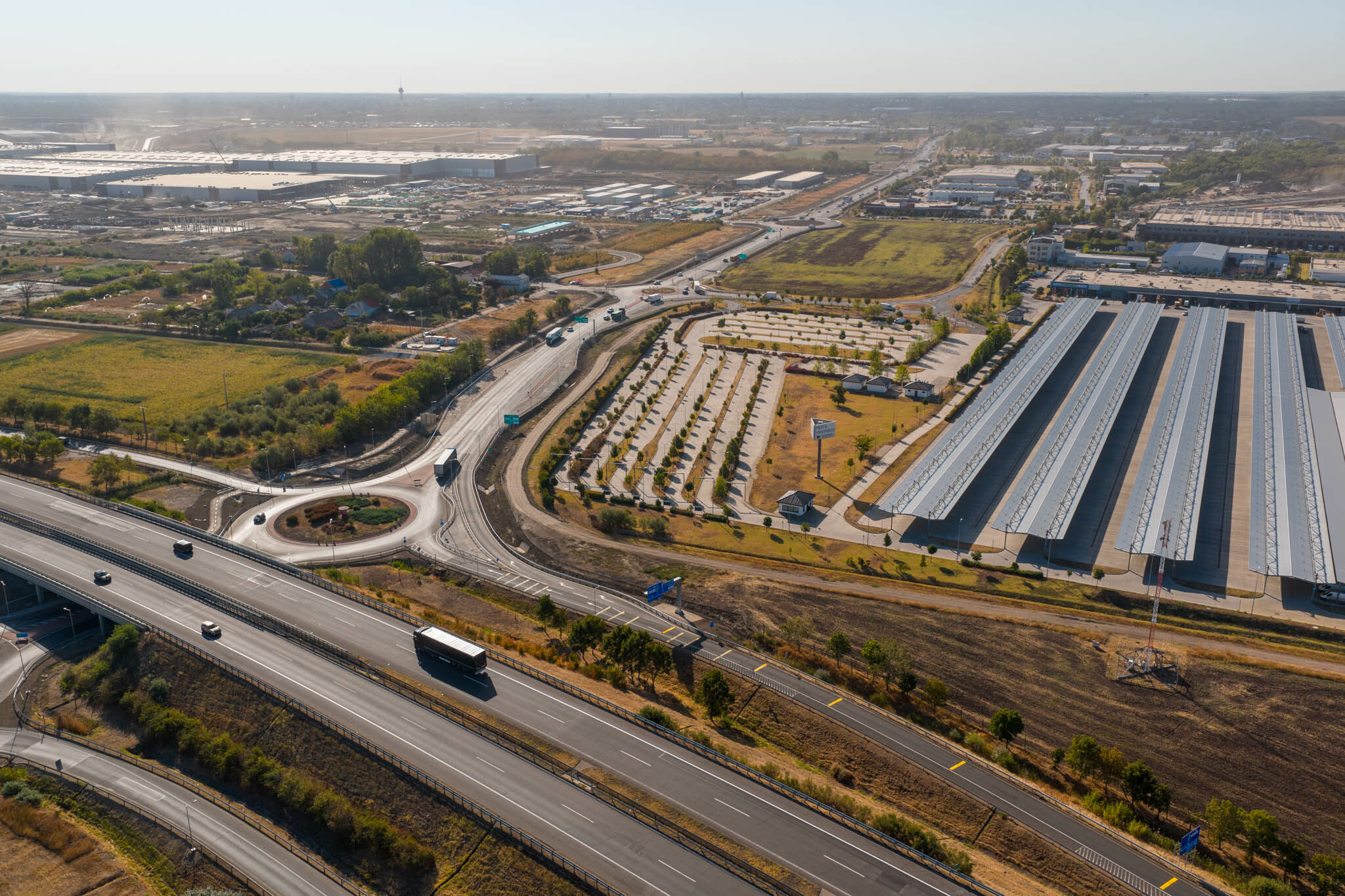
Six major traffic diversion phases were required
During the works, traffic arrangements were altered in six major phases. Of these, the complete resurfacing of the roundabouts beneath the M43 motorway bridge proved to be the most complex. As part of the works, an asphalt grid was also installed, and the works involved the temporary closure of certain motorway lanes.
The replacement of kerbs and the reinforcement of the surfacing at the roundabouts were carried out in such a way that the usable carriageway was only narrowed to the extent strictly necessary. This meant that construction work could continue whilst road traffic was maintained.
Preparations for the temporary traffic management plan at the motorway junction took several months. Diversions and closures were coordinated with all affected operators, authorities and organisations, and the dates were fixed in advance according to a tight schedule.
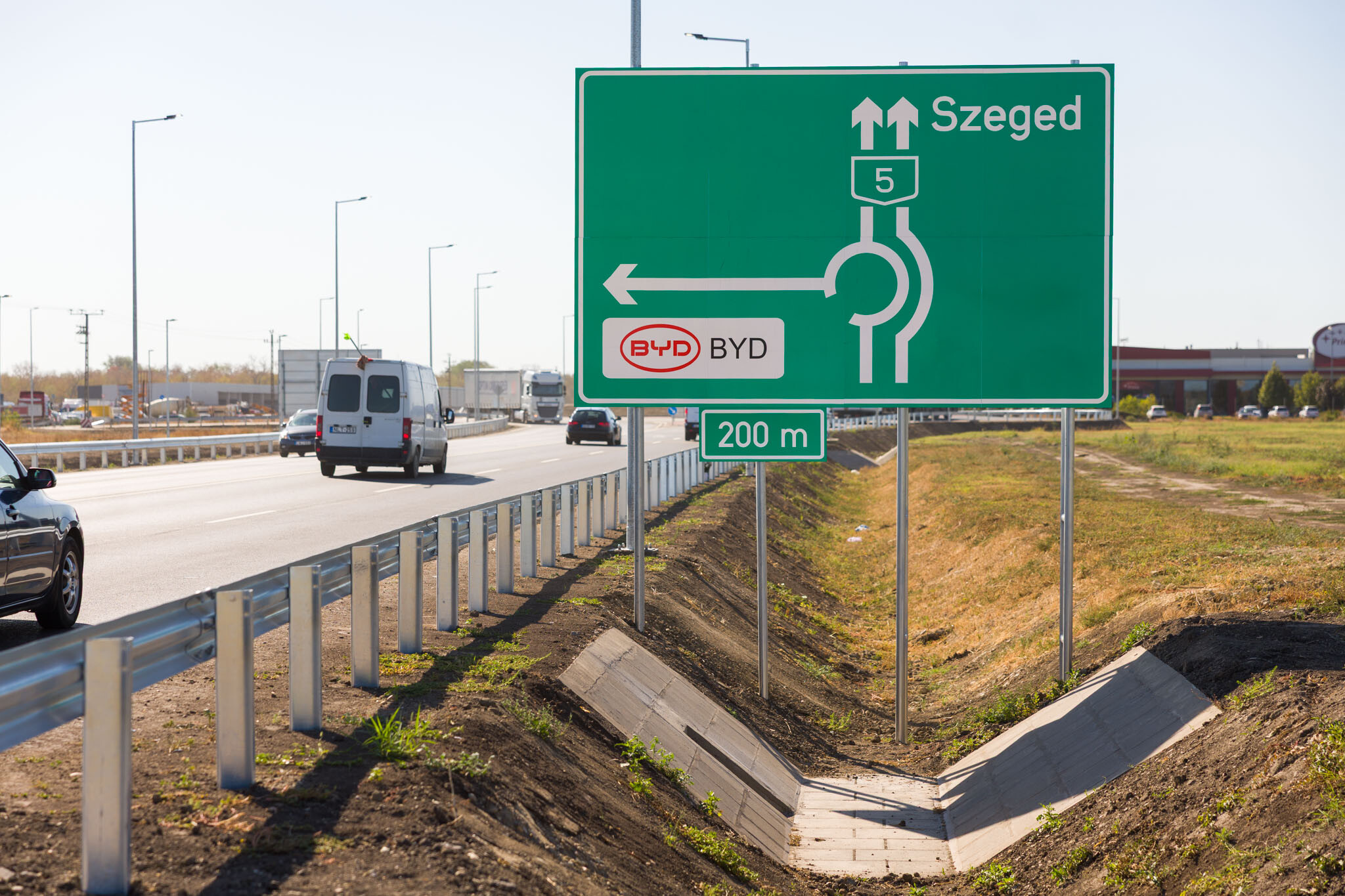
A dedicated lane helped to manage construction traffic at the BYD factory
One of the project’s greatest organisational challenges was maintaining both public traffic and construction traffic from neighbouring industrial developments simultaneously. When constructing the new three-arm roundabout, a separate traffic lane was reserved for vehicles serving the construction of the BYD car factory.
Representatives of Colas and the car manufacturer were in constant consultation regarding the scheduling of the two projects, to ensure that the roadworks caused as little disruption as possible to the construction of the factory.
An additional challenge was that the development involved both urban and rural sections, as well as a motorway junction. As a result, the work had to be co-ordinated with several operators. Within the town, bus services also had to be maintained: bus stops were temporarily relocated in line with each phase of the work, and passengers were kept constantly informed of the changes.
An Avar-period cemetery has been unearthed at the building site
Unforeseen circumstances also hampered the construction work. On the section between the existing roundabout at Nagybani Piac and the new roundabout built for the BYD car factory, archaeologists uncovered an Avar-period cemetery along the route of the road-widening works and the cycle path. The excavation took longer than expected, so the archaeologists were only able to hand the site over to the contractor in stages. As a result, Colas had to reorganise its work processes accordingly.
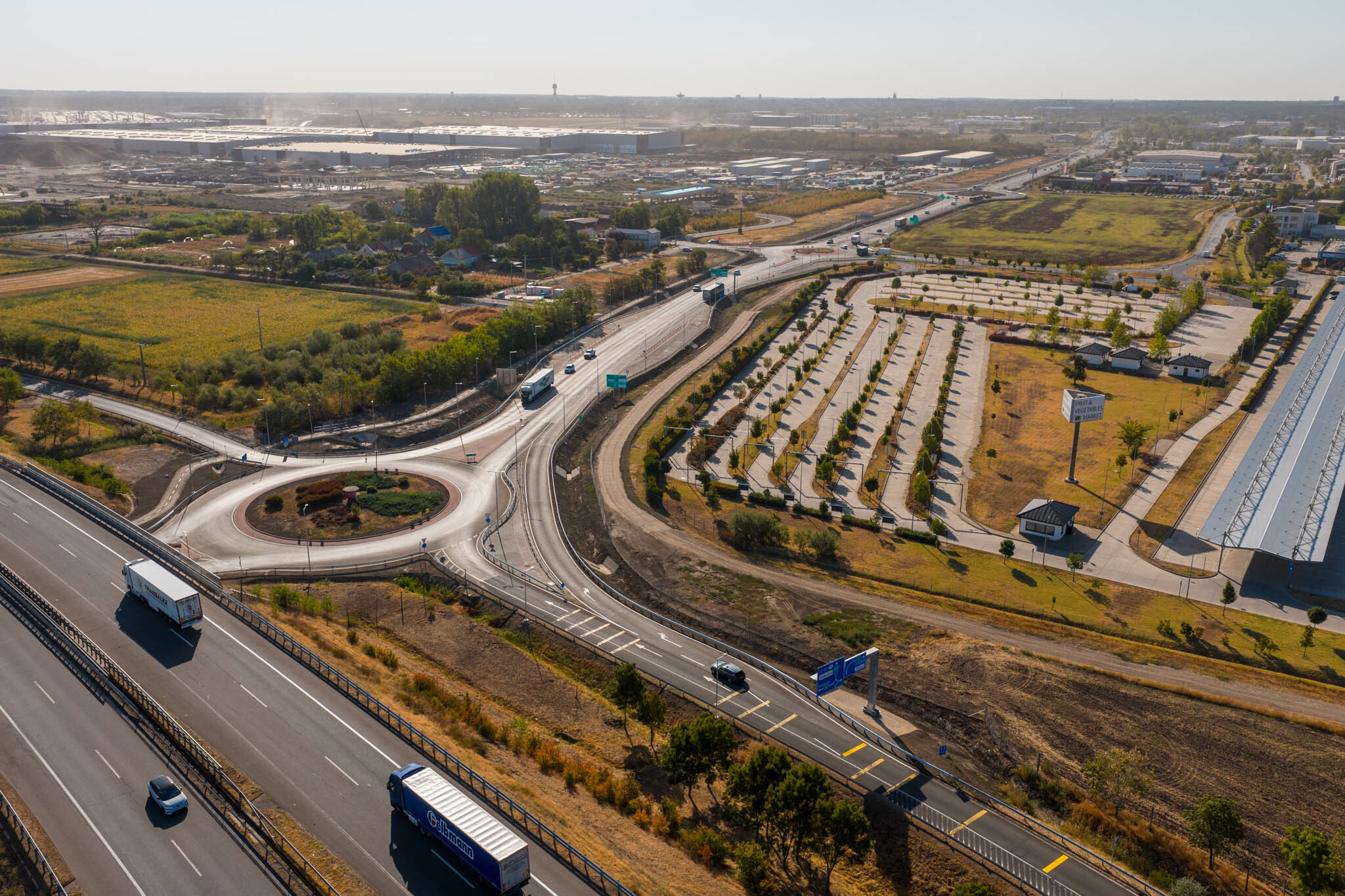
The construction of the new exit ramp was adapted to allow for the consolidation of the embankment
The direct slip road leading from the M43 motorway towards Szeged was the project’s only section involving an embankment. Work on this began right at the start of construction to allow sufficient time for the embankment to settle and to minimise the risk of subsequent subsidence as much as possible.
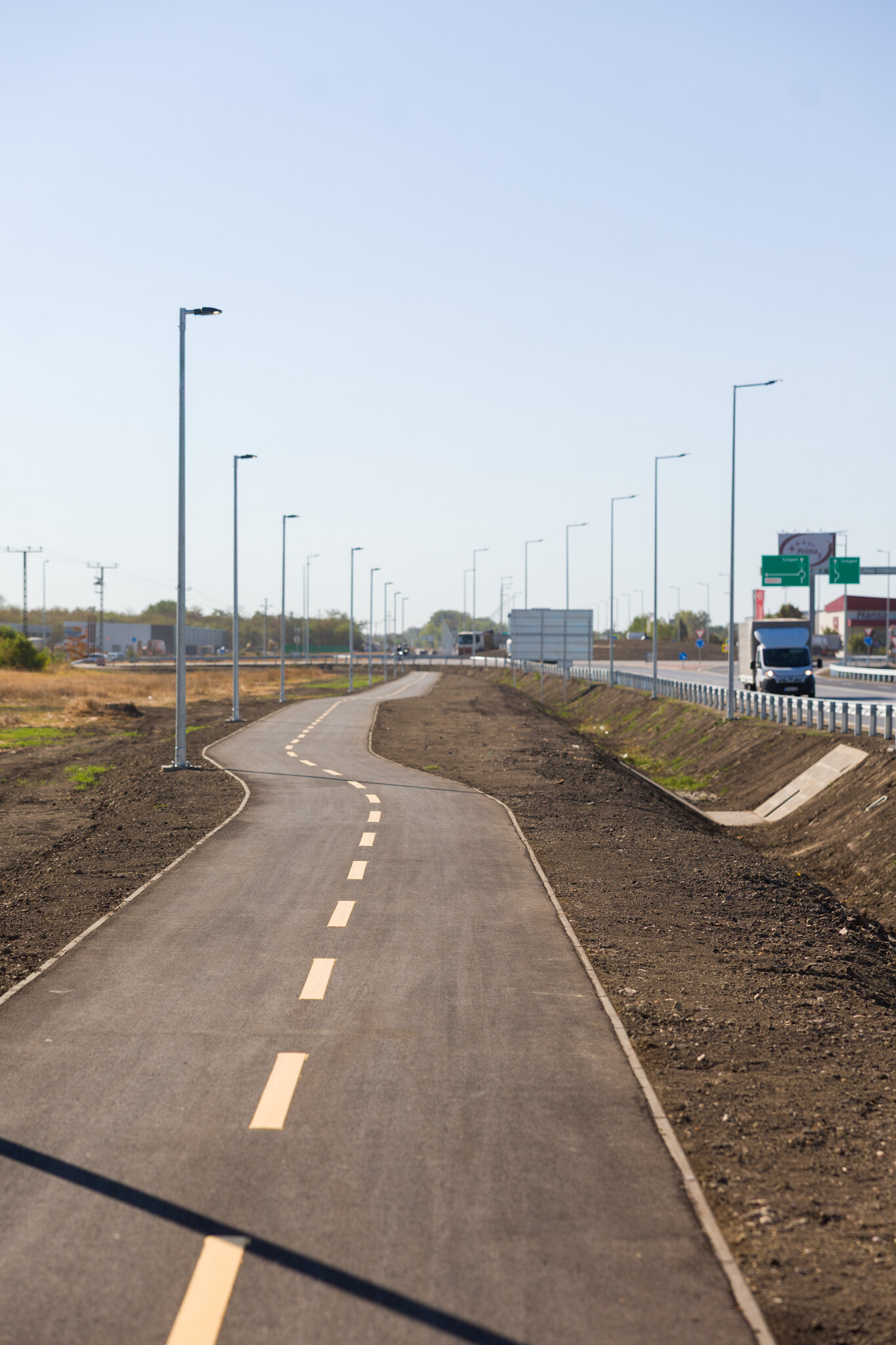
The new cycle path has been routed under the motorway bridge
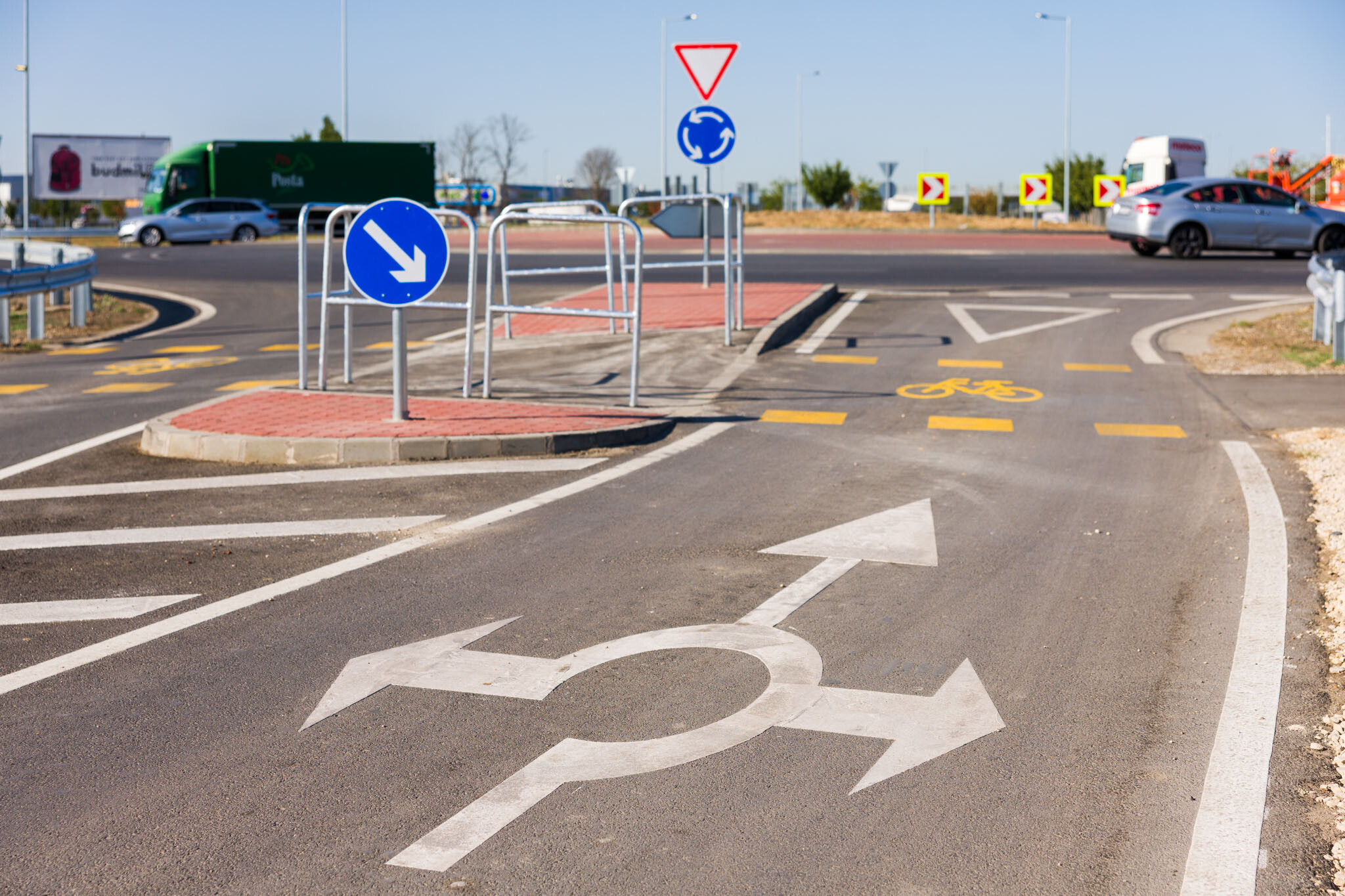
The 1.6-kilometre-long cycle path, which forms part of the development, was built as an extension of the existing urban cycle network towards Budapest. The route runs beneath the M43 motorway bridge, through the green space between the support structures. At road junctions, KRESZ signs and road markings help to ensure safe travel. Plans have also been drawn up to extend the cycle path further towards Szatymaz and Balástya.
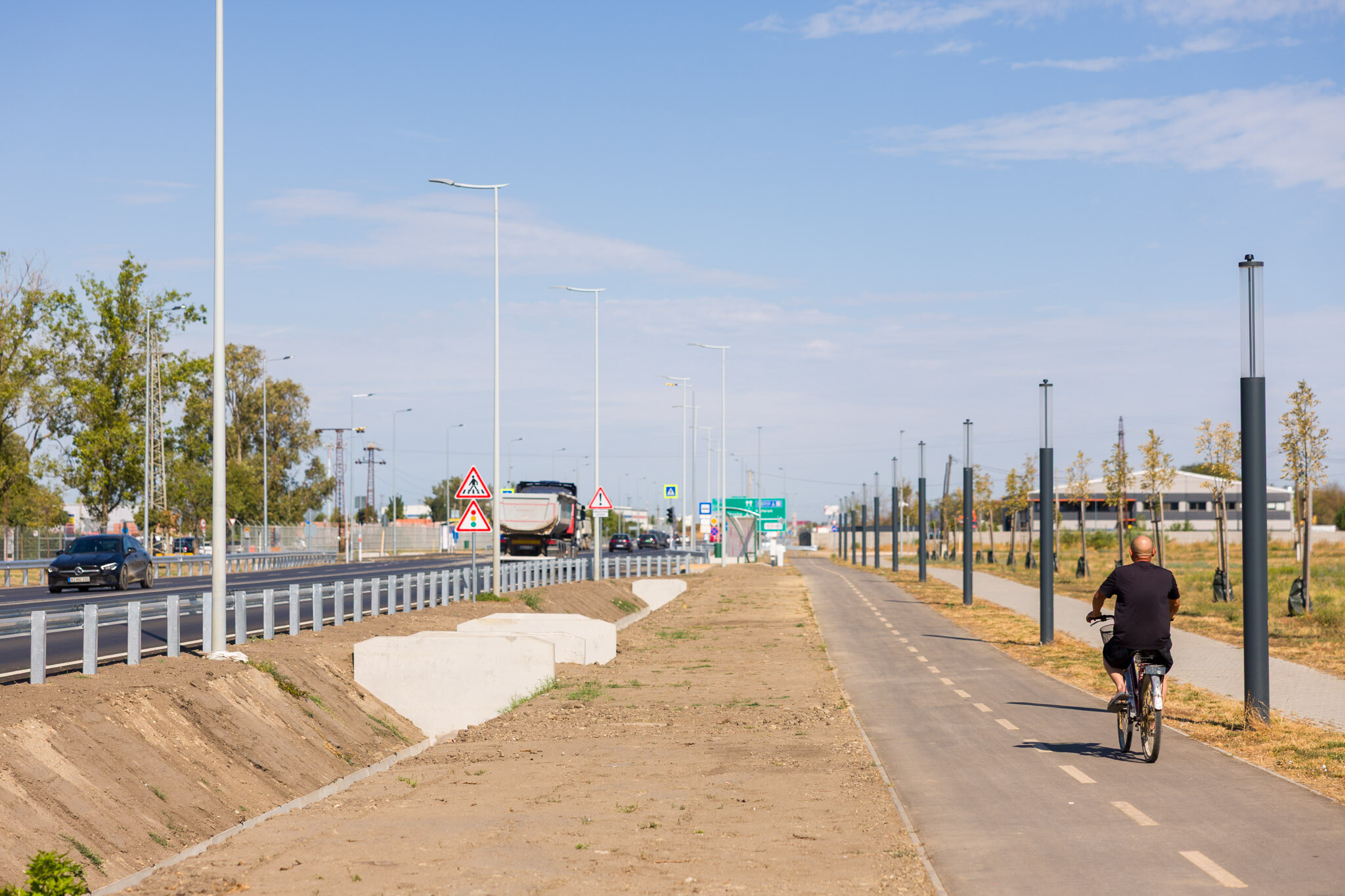
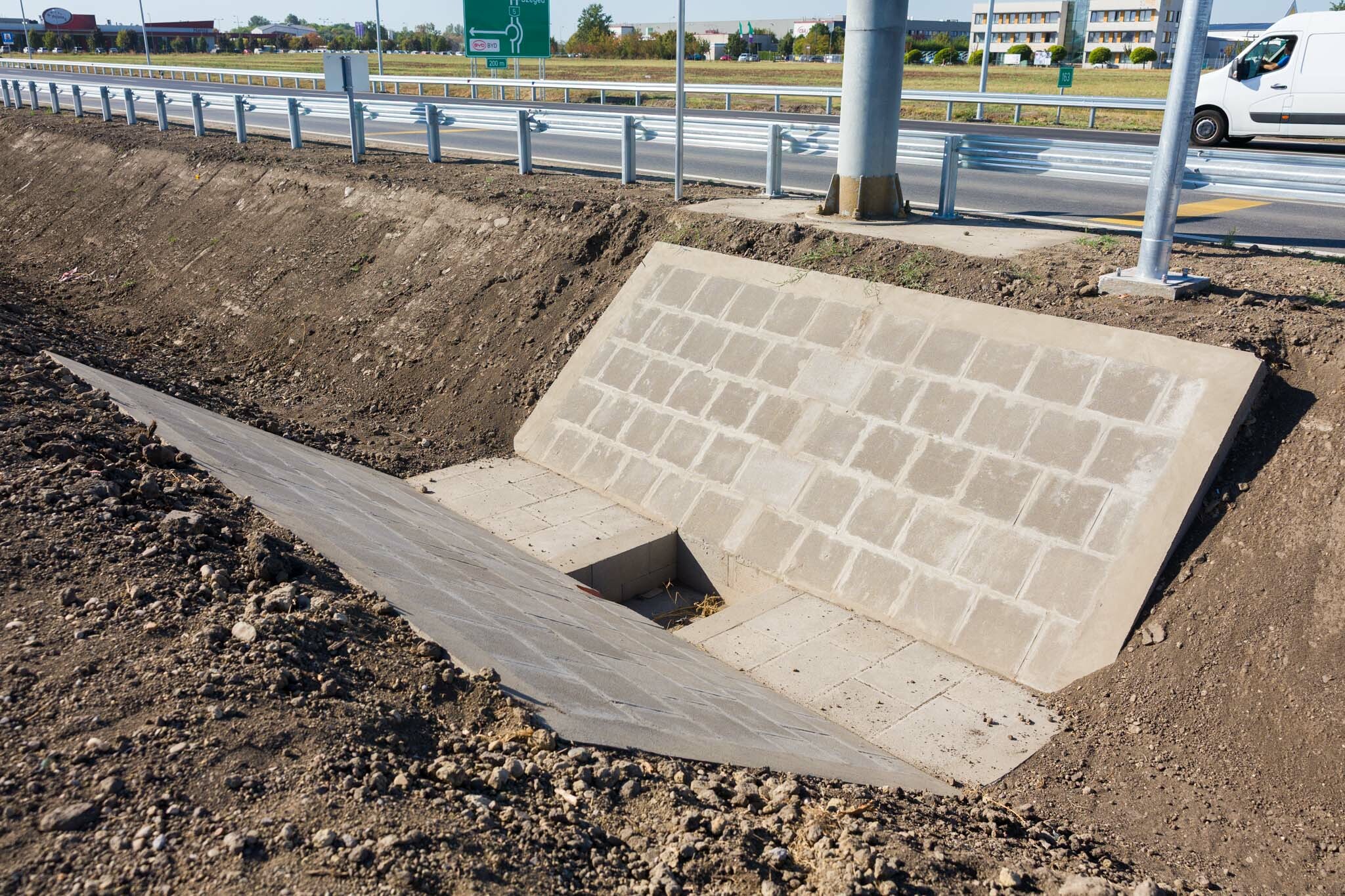
Open-channel and lined ditches carry away rainwater
Rainwater runs off the carriageway via the slopes into the drainage and evaporation ditches. In built-up areas, these have been lined with prefabricated channel sections, whilst in rural areas, earth-lined ditches have been constructed. In the event of overflow, rainwater from all sections can enter the enclosed rainwater drainage channel alongside the main road, operated by ATIVIZIG.
Digital models helped to coordinate the various disciplines
The Colas and BIM teams utilised digital models to support almost all major work processes. These were used in the design of the road’s structural layers, during earthworks, for hydraulic engineering tasks relating to paved surfaces, and to check where and how utility networks intersect with one another and with the roads.
Nearly one hundred subcontractors, suppliers and other service providers were involved in the implementation of the project. Their work was co-ordinated through detailed planning, ongoing communication and the precise definition of the duties and geographical boundaries of the site supervisors.
During the construction work, 4,906 cubic metres of milled asphalt were reused. Some of this material was reincorporated into the asphalt mixes used in the project, whilst the rest was utilised as aggregate in other layers of the road structure.
The experts at Colas consider the most significant achievement of the project to be the fact that they completed this multi-disciplinary project – which encompassed both design and construction tasks – on schedule, whilst taking into account the requirements of neighbouring projects and ensuring the smooth flow of traffic in the area.
Source: Link








From Pincék to the lakeshore: a 2.5-kilometre-long new cycle path is being built in Balatonboglár

The construction industry has reached a historic turning point – in October, the Építőipar Summit conference will help the sector prepare for the coming years

The capacity expansion of the Szeged approach section of Main Road No. 5 was completed on schedule

The contractors for the Szolnok spa have brought a lawsuit against the city to secure payment of their final invoice

Rain gardens are coming to Budafok, with over 3,000 square metres of green space set to be developed

Contemporary art deco in Csopakon

Four new bridges to be built in the heart of the former industrial city

Safer driving on the motorways: new digital signs for the MKIF
-

 Road building 2026. 08. 05.
The main road leading to a key tourist destination in Bihar is being upgraded using cold recycling technology
-
What is being built? 2026. 08. 06.
Paks II.: What does the new milestone for Unit 5 mean in the context of the review?
-
Climate-X 2026. 08. 05.
STRABAG is relieving the strain on the electricity system through plant shutdowns and reorganised production
-
Bound track 2026. 08. 03.
Work on the extension of Metro Line 3 is set to begin


