
Metro M3
What the M3 metro renovation has given - five and a half years of knowledge showcased in one day

The reconstruction of the M3 metro line was concluded with a major event organised by the BKV Zrt., the Metro Renovation Project Directorate.
At the forum entitled "Underground time travel from the 20th to the 21st century - The reconstruction of the M3 metro line infrastructure from design to implementation", the completed project was presented, the accumulated expertise and the practices developed during the cooperation were explored and evaluated. The speakers and the programme provided an overview of the complex and challenging phases of the metro renewal from different perspectives and through a detailed presentation of each of the key areas.

Over the past three years, our newspaper has devoted special attention to the reconstruction of the M3 underground line in a separate section, and we have regularly reported on the work of the contractors. During the works, which began in November 2017, the entire M3 metro line was renovated, including the modernisation of 21 stations.
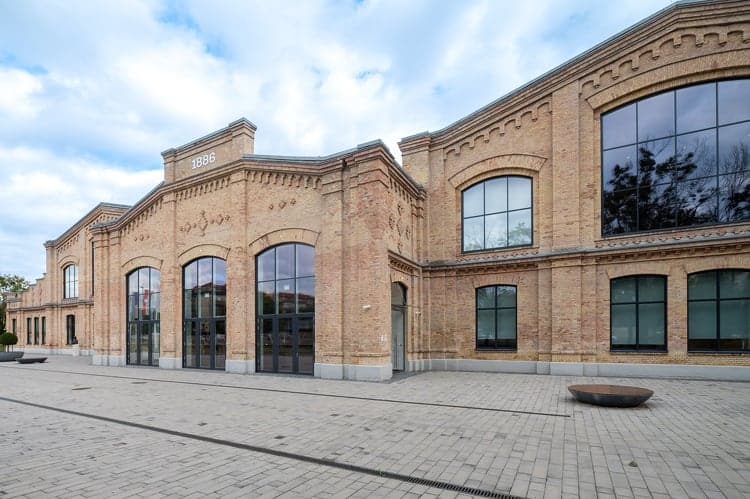
The STRABAG Construction Zrt. for the renovation of stations on the northern and southern sections. The SWIETELSKY Construction Kft. renovated the stations on the central section. The entire line section – between Kőbánya-Kispest and Újpest-Központ stations – underwent track construction, tunnel and safety equipment renovation, railway telecommunications and central dispatching system modernisation works carried out by SWIETELSKY Vasúttechnika Kft.. The expansion of the national EDR network and the installation of radio coverage were carried out by PRO-M Zrt.. The individual sectoral plans for the project were prepared by FŐMTERV Zrt..

At the event, Tibor Bolla, CEO of BKV Zrt, after a welcome speech, Gergely Karácsony, Mayor of Budapest and Kata Tüttő, Deputy Mayor shared their thoughts on the importance of the M3 metro renovation.
István Perger, Deputy Head of the European Commission Representation in Hungary, spoke about the EU aspects of the project. The total final cost of the project is HUF 217.5 billion, of which HUF 172.72 billion came from the European Union and HUF 44.779 billion from the national budget. The Municipality of Budapest has invested HUF 5.63 billion, mainly for accessibility.

Balázs Nagy, Deputy State Secretary for the implementation of transport, environment and energy efficiency development programmes, presented the tasks of the managing body in relation to the metro renewal.
Tibor Bolla, CEO of BKV Zrt. also highlighted the energy efficiency of the M3 metro reconstruction and related improvements (renovation of metro cars, modernisation of the heating system at the premises), which, he said, has enabled an annual reduction of 33 428 tonnes of CO2.

Tibor Radnay, Project Director of the BKV metro renovation, recalled the main milestones of the metro construction and renovation, from design to construction. He highlighted the accessibility improvements that made 21 stations accessible to all. He outlined the challenges of the project, including asbestos removal, drainage, transporting materials in and out of the tunnel and some of the remedial works.

In the evening, a series of presentations will be given by contractors, who will also share their experiences. This information will be added to this article later.
Source : Link


The AKKO Invest may be expanded to include a designer of airport hotels

Drilling is also taking place beneath the railway: work on the Déli Körvasút project continues with the relocation of utility lines

The KBM call for entries is aimed at the cream of the crop of Hungarian architecture

Class HE-DO brought the summer to a close with a family sports day

Rain gardens are coming to Budafok, with over 3,000 square metres of green space set to be developed

Contemporary art deco in Csopakon

Four new bridges to be built in the heart of the former industrial city

Safer driving on the motorways: new digital signs for the MKIF
-

 Road building 2026. 08. 05.
The main road leading to a key tourist destination in Bihar is being upgraded using cold recycling technology
-
What is being built? 2026. 08. 06.
Paks II.: What does the new milestone for Unit 5 mean in the context of the review?
-
Climate-X 2026. 08. 05.
STRABAG is relieving the strain on the electricity system through plant shutdowns and reorganised production
-
Bound track 2026. 08. 03.
Work on the extension of Metro Line 3 is set to begin


