What is being built?
Key development linked to the Budapest–Belgrade railway line prior to handover

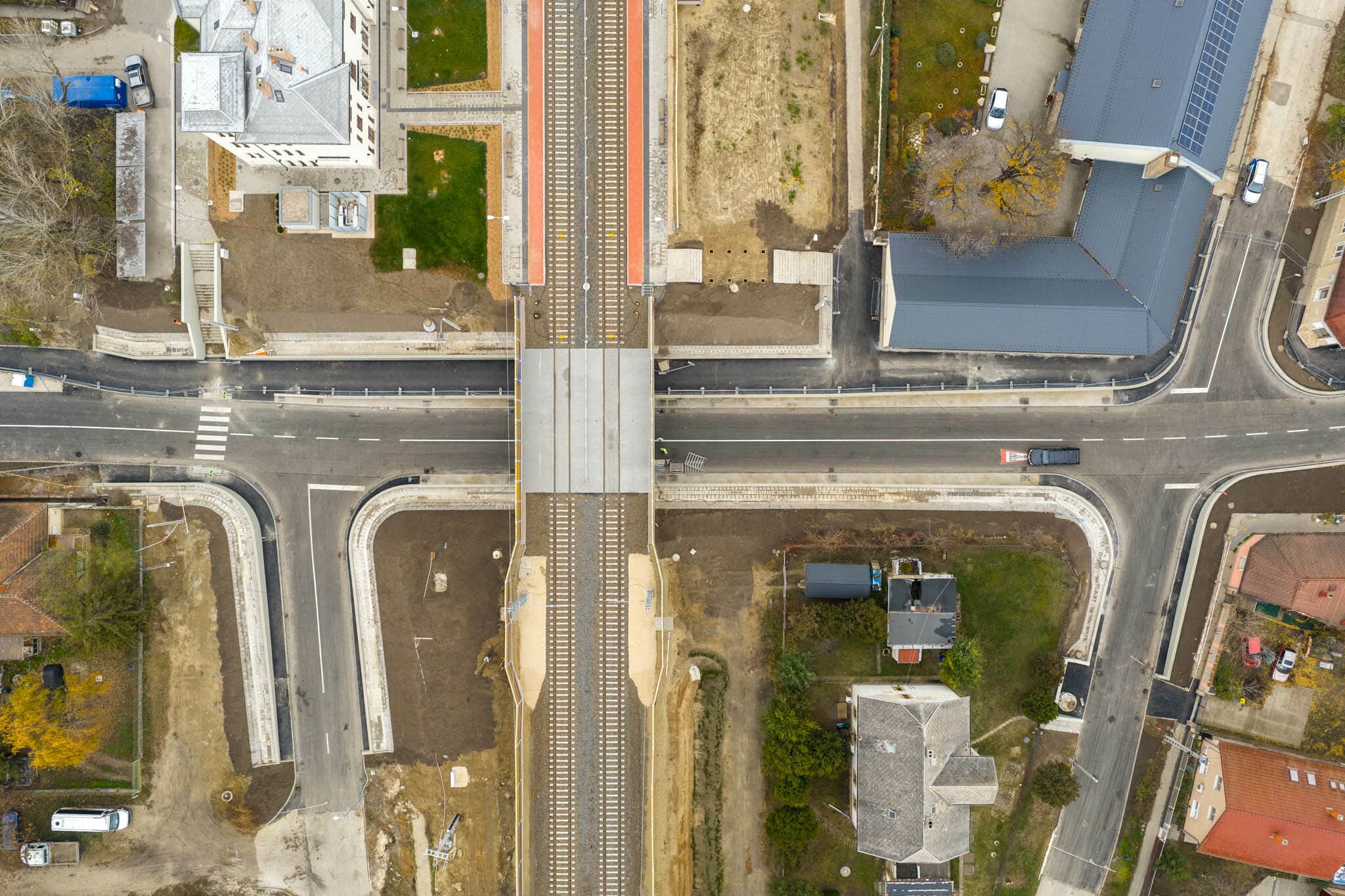
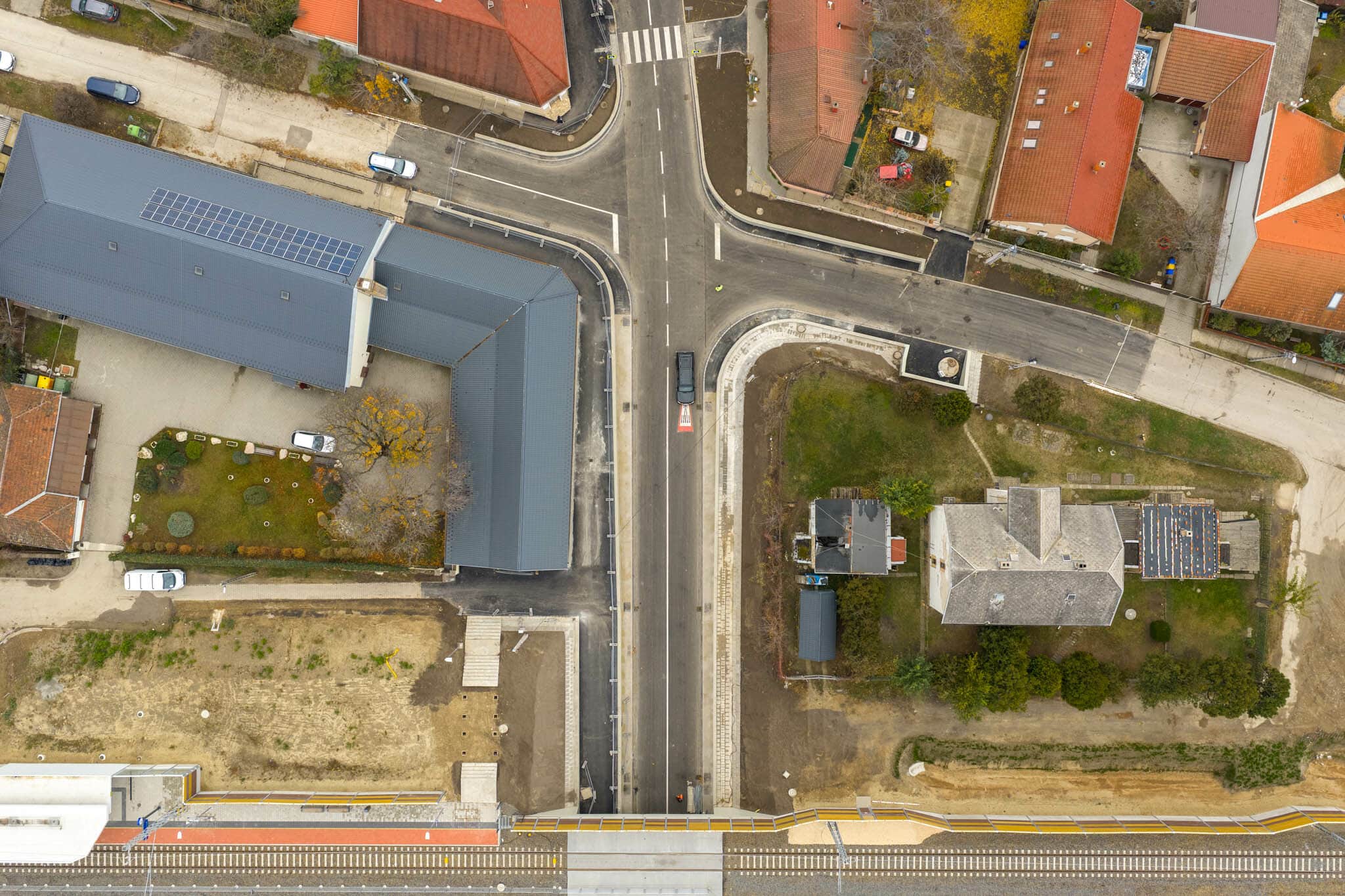
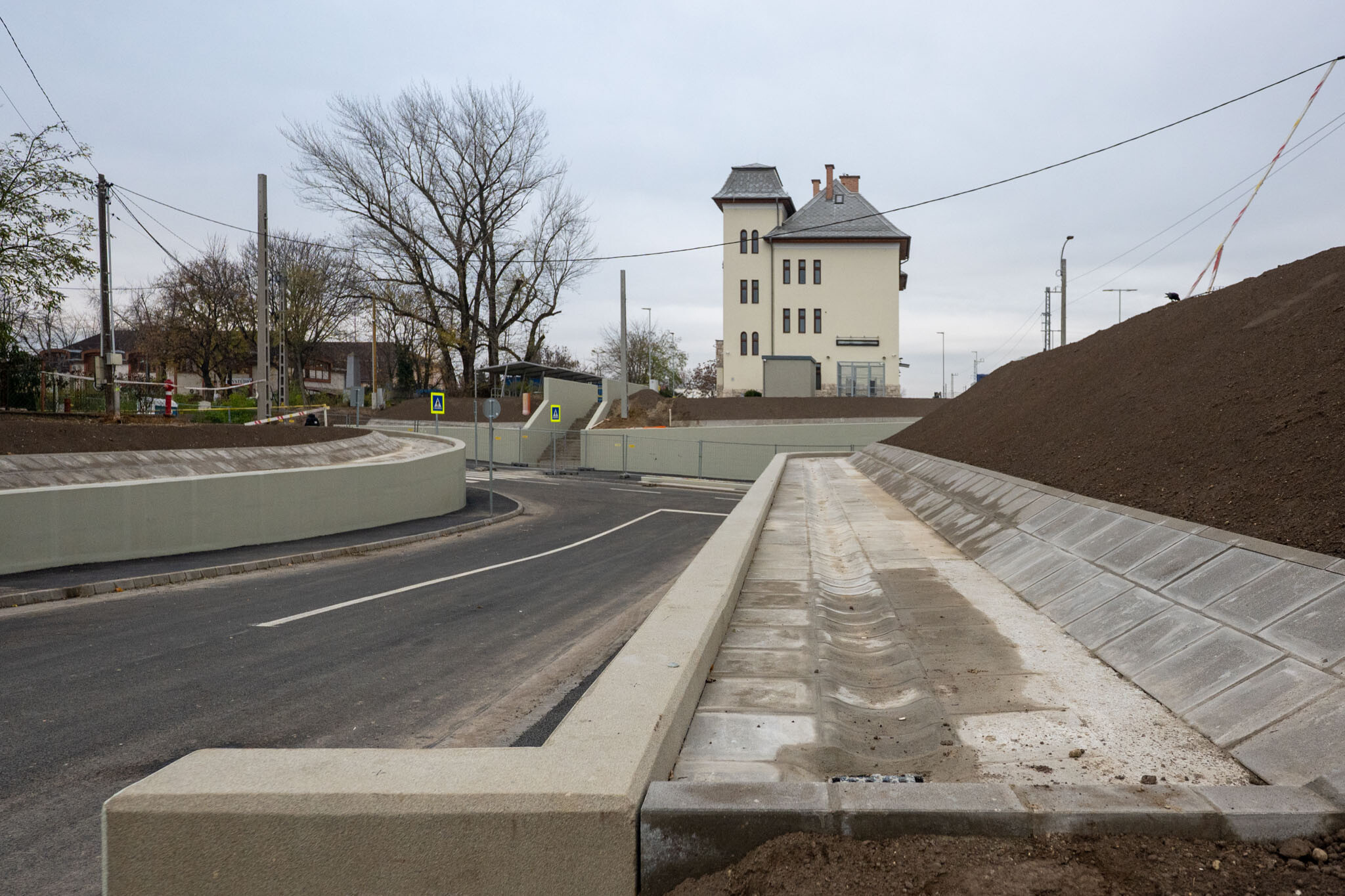
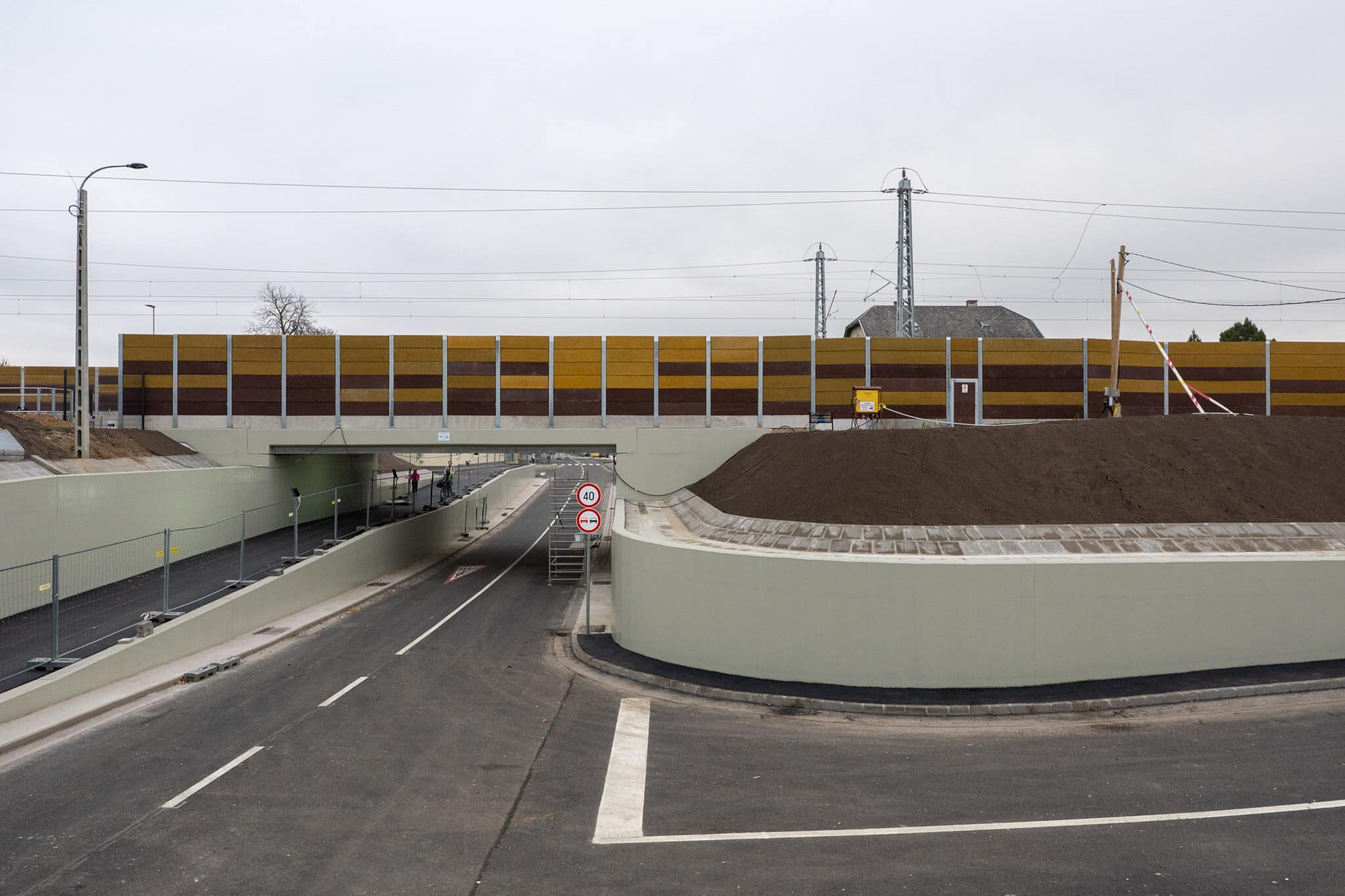
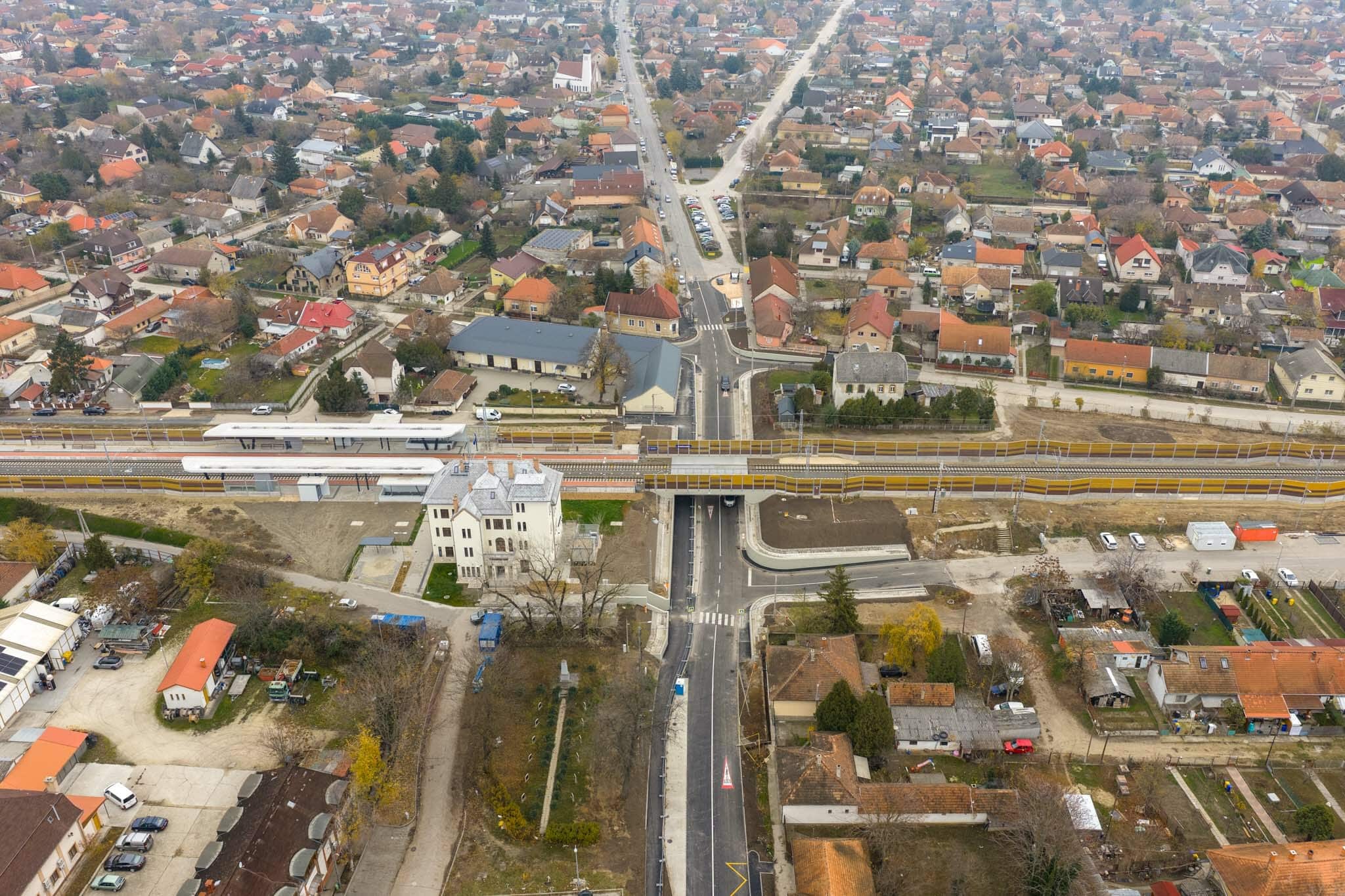
Only a few finishing touches remain before Dunaharaszti's new underpass, with a span increased from 7 metres to 13.8 metres, i.e. nearly double, at the junction of Némedi and Dózsa György roads, is completed. The investment was carried out in connection with developments on the Hungarian section of the Budapest–Belgrade railway line. As we have reported on several occasions, the railway line between Ferencváros, Soroksár, Kunszentmiklós, Tass and Kelebia is being electrified and converted to double track as part of the so-called BuBe project. The new underpass provides a crossing for road traffic, cyclists and pedestrians under the 150 railway line. The construction is being carried out by CTEC Kft. on behalf of Colas Út Zrt..
Temporary bridge ensured continuity of railway construction traffic
We reviewed the implementation of the capacity expansion of the previous, outdated seven-metre-wide structure with the help of the construction manager of the contractor, László Holló, from the start of the works in December 2023. During the preparatory phase, traffic plans were agreed upon, diversion routes were designated, and information leaflets for residents were prepared. These tasks fell within the remit of another member of the construction consortium, CTEC Kft..
László Holló said,
One of the most complex tasks of the project was to maintain continuous traffic on the Budapest–Belgrade railway line, as the underpass had to be built under line 150.
To this end, specialists from Colas Út Zrt. built a temporary steel bridge, known as a provisional bridge, which ensured the continuity of rail traffic during the demolition and construction of the new bridge. The steel structure was lifted into place in February 2024 using a 450-tonne mobile crane, and the work area was cordoned off with pile clamps. rel="noopener">February 2024 using a 450-tonne mobile crane and placed on the pile cap beams of the work area enclosure. The temporary bridge served rail traffic for months until the new bridge structure was completed, after which passing trains were diverted to the new structure.
Modern structure and safe transport
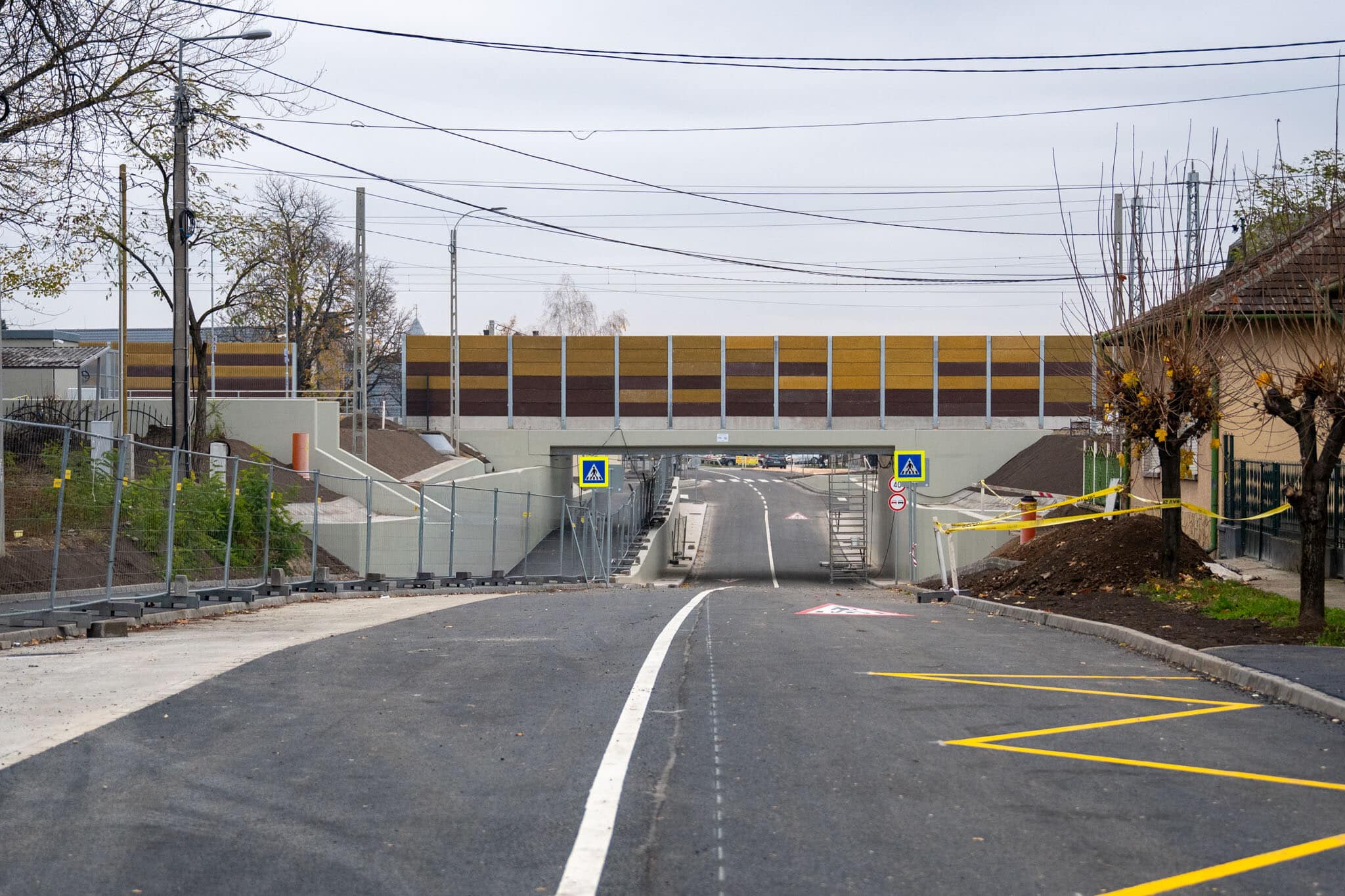
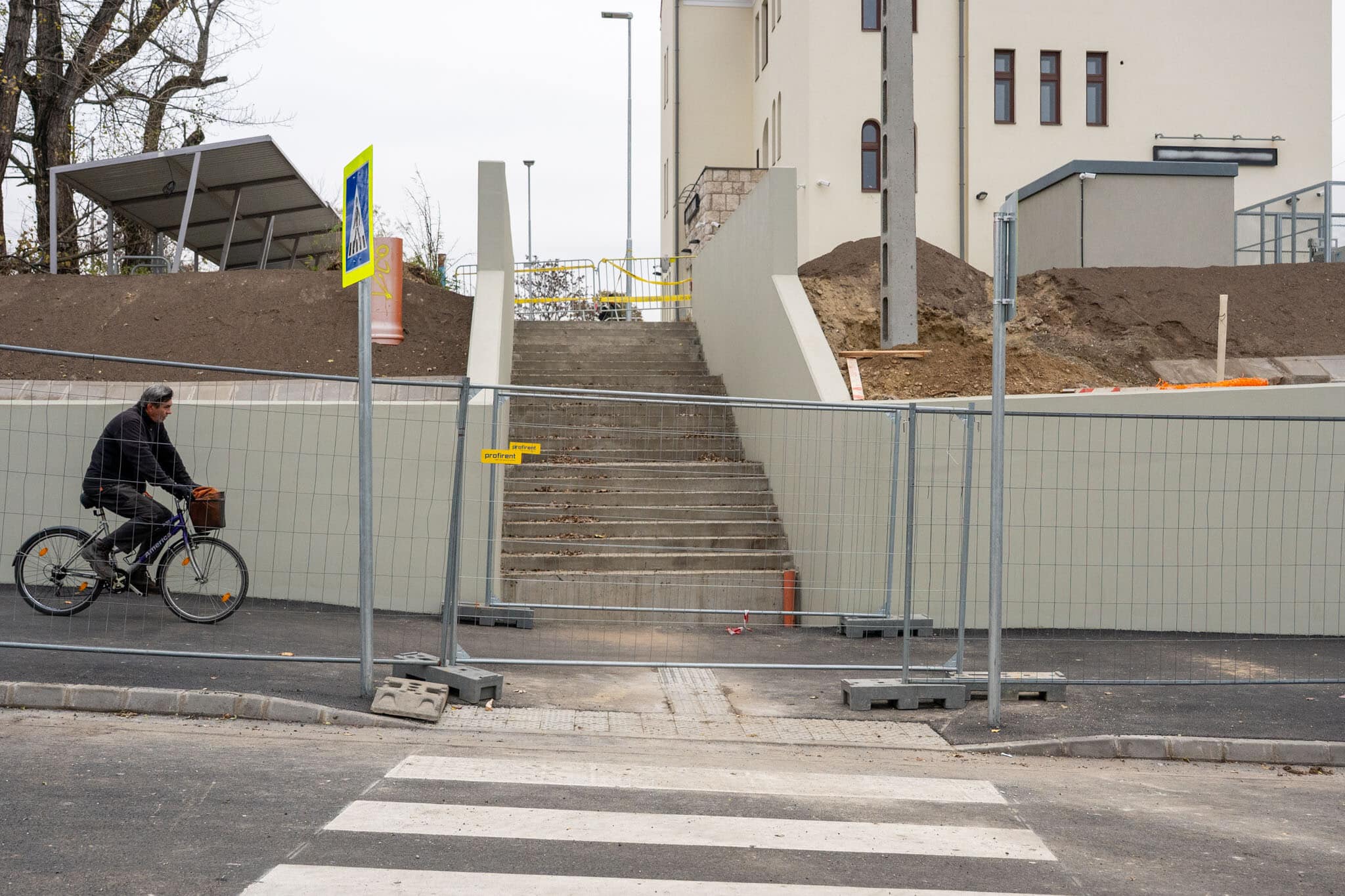
The main purpose of the underpass reconstruction was to increase capacity and improve traffic safety. The outdated, narrow underpass was demolished to make way for a 13.8-metre-long, 14.6-metre-wide monolithic reinforced concrete structure. Efforts were made to minimise the dust and noise pollution associated with the work by using water spraying and closed work organisation. In addition to 2×1 lanes for road traffic, separate lanes were created in the new underpass for pedestrians and cyclists.
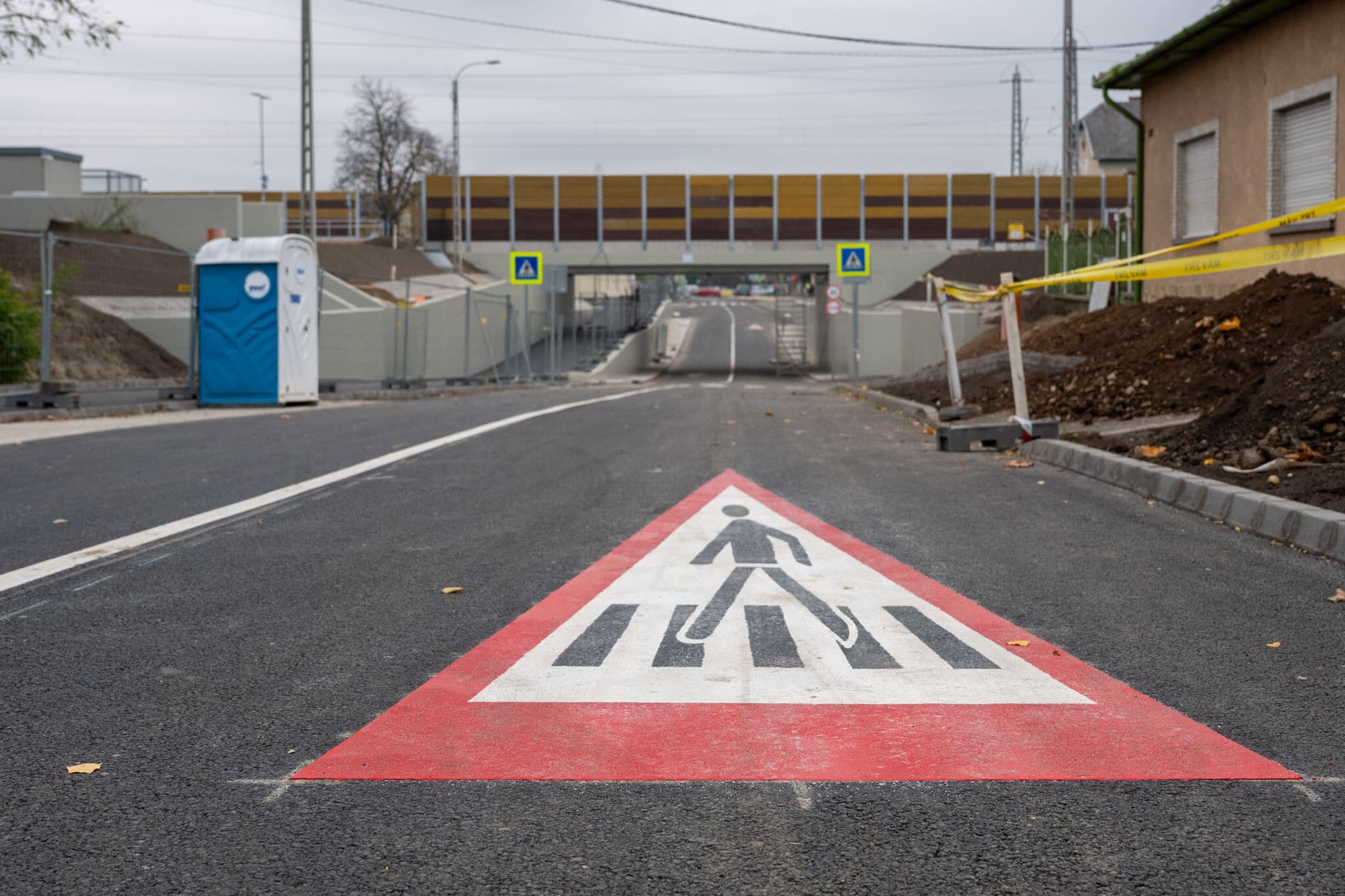
The underpass has been expanded both in width and length.
The construction manager of Colas also pointed out that the geometry of the new underpass is adapted to the characteristics of the surrounding street network. The new underpass has been enlarged in width and length: a U-shaped, monolithic reinforced concrete frame has been constructed between Gyárköz and Vasút streets, which, together with the superstructure, forms a closed expansion unit. The reconstruction will make traffic in the underpass safer and more modern.
Utility replacements and engineering challenges
As part of the project, utility replacements and related infrastructure development tasks were also carried out. The coordination of the clients was handled by CTEC Kft.. Gas pipes, water pipes, sewage and storm drains, and the public lighting network were also relocated in the work area. During the works, the high groundwater level posed a challenge, according to László Holló. As a solution, they used a multi-row vacuum well system operated by several machine rooms to lower the groundwater level, which was supplemented by open water retention, thus ensuring safe working conditions during the deep construction phases.
Rainwater storage protects the area from flash floods
As part of the investment, a new storm water reservoir was also built, which has a capacity of approximately 200 cubic metres and collects rainwater from the Bezerédi, Némedi, Gyárköz, Táncsics Mihály, Vasút and Dózsa György streets, as well as the Móricz Zsigmond street area. The reservoir delays the release of water into the city's storm drain network, thereby relieving the drainage system and preventing the treatment plant from exceeding its capacity, as well as reducing the risk of flash floods.
The Dunaharaszti underpass, implemented by Colas Út Zrt., ensures uninterrupted transport in the region in the long term, fitting in with the unified concept of the Budapest–Belgrade railway line development and serving as a good example of how complex railway and road infrastructure development can be implemented to a high technical standard if the parties involved: investors, local authorities and road operators work together with a common will to achieve a common goal.
Source: Link





Roadworks are taking place at 15 locations in Balatonfüred

SWIETELSKY is inspecting and repairing the surface defects on Main Road 25

Pécs, Gödöllő and Budapest: four SPAR stores have been refurbished – here’s which ones

They could reshape the historic city centre, transport in the suburbs and even a unique public park in Székesfehérvár

Rain gardens are coming to Budafok, with over 3,000 square metres of green space set to be developed

Four new bridges to be built in the heart of the former industrial city

Contemporary art deco in Csopakon

Safer driving on the motorways: new digital signs for the MKIF
-

 Bound track 2026. 10. 07.
Aurora beneath the Apennines – Another tunnel is being built on the Naples–Bari railway line
-
Road building 2026. 10. 13.
A consortium comprising STRABAG and Duna Aszfalt has been awarded the contract to build the North Macedonian motorway
-
What is being built? 2026. 10. 09.
One of Budapest’s oldest nurseries is being renovated whilst preserving its timber roof structure
-
Current at 2026. 10. 10.
„The focus will not be on Lean’s equipment, but on how we operate” – the ‘Lean in the Construction Industry’ conference in November