Water management
It’s being built at full speed and could be the saviour of our domestic energy security – what is it?

The energy crisis that occurred in early August this year brought the national electricity supply into sharp focus with painful suddenness. Not only did the vulnerability of the Paksi Atomerőmű unit – which came within a hair’s breadth of a complete shutdown – become apparent, but so too did the inflexibility of Hungary’s energy generation. In light of this, the ongoing construction of combined-cycle gas turbine (CCGT) power stations – which will significantly enhance the security of domestic supply – takes on even greater importance.
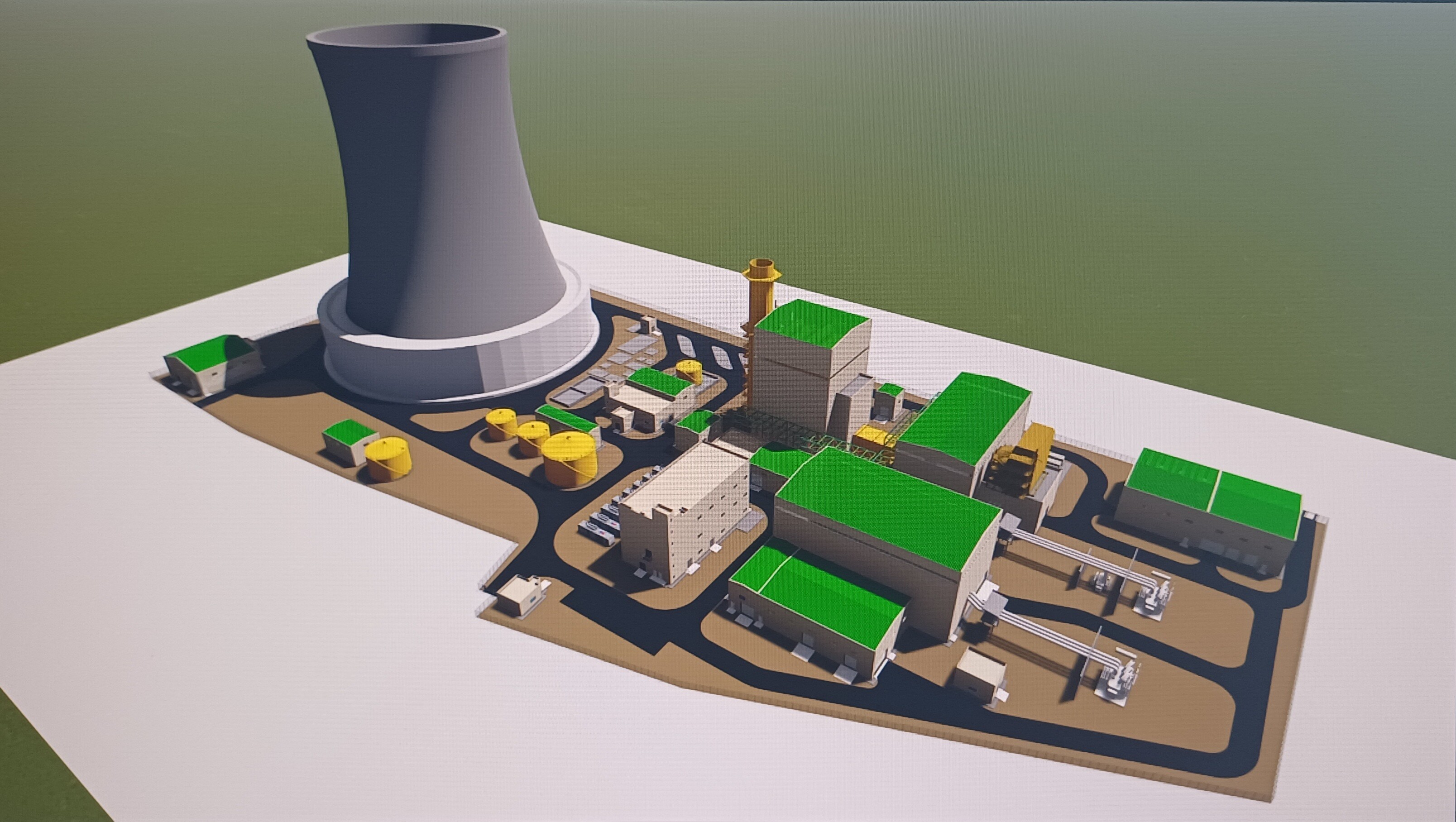
Three new units of this type are currently under construction in Hungary: the Visontai (Mátrai) plant is being expanded with a 520-megawatt CCGT unit, whilst a CCGT power station comprising two units, with a total capacity of 1,000 megawatts, is being built on the MVM Tisza Erőmű site in Tiszaújváros. The scale of this development is well illustrated by the fact that the total capacity of the four existing units at the Paks power station is 2,000 megawatts.
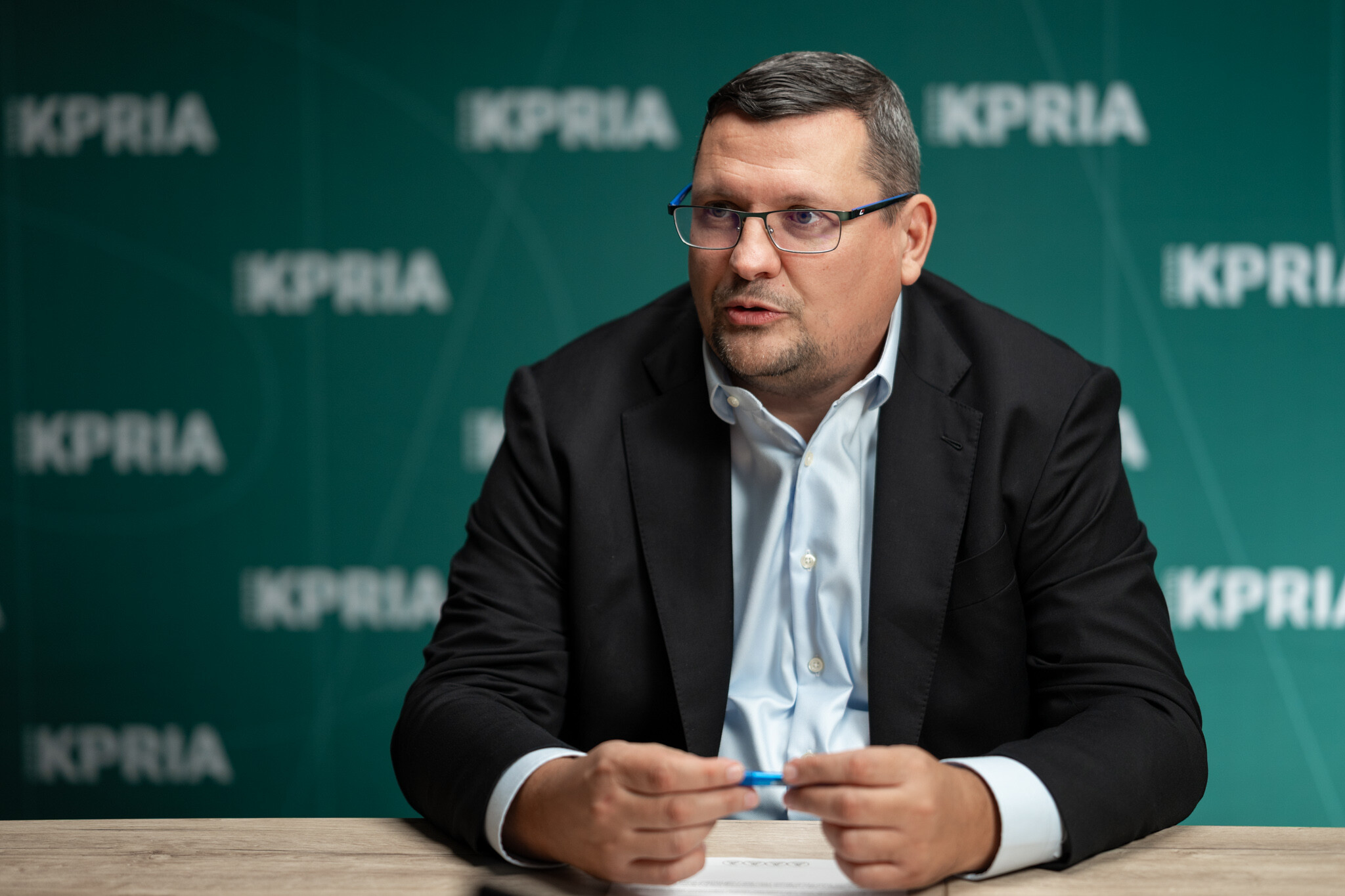
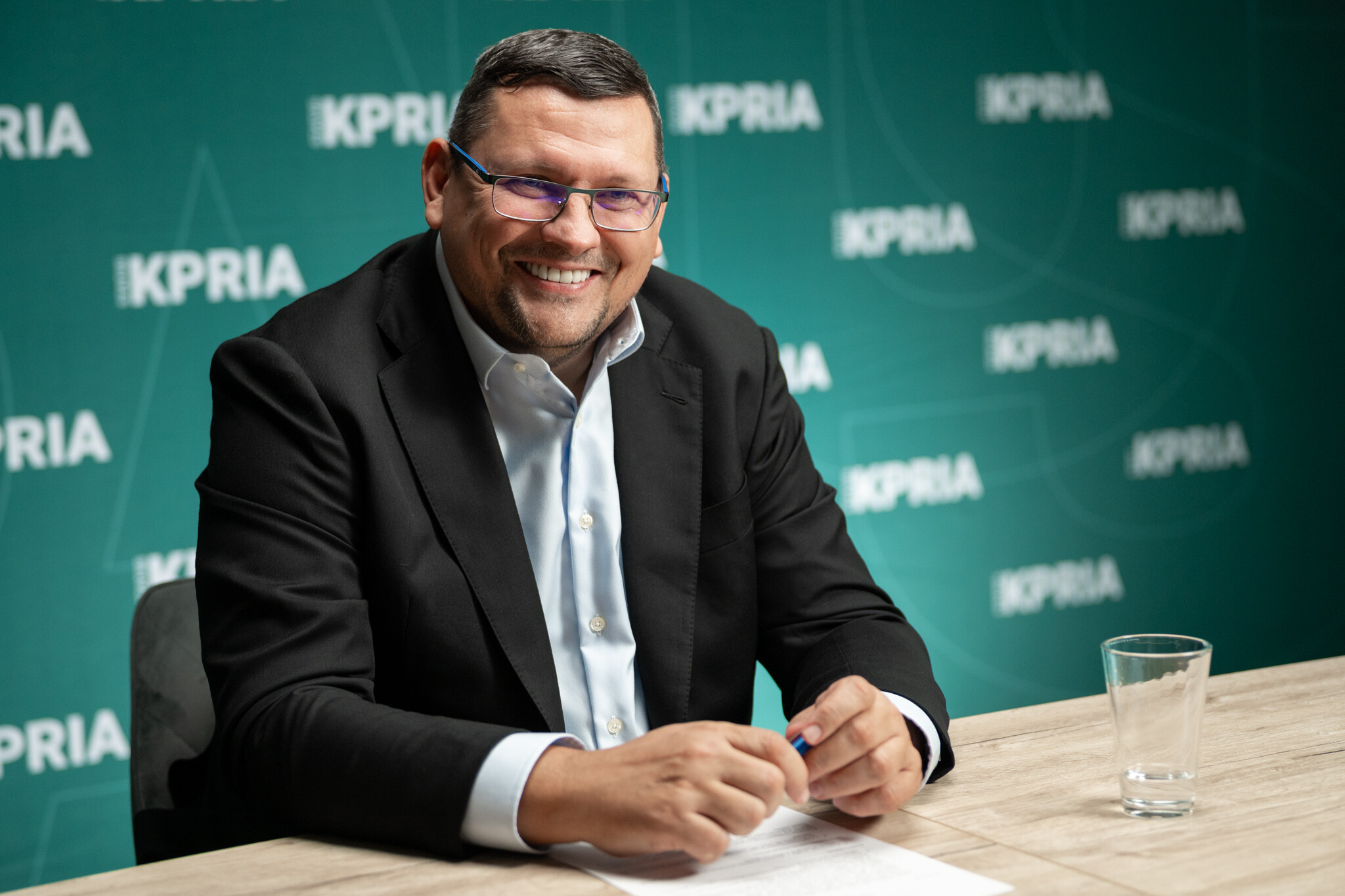
Amongst domestic energy projects, the development of the Mátra Gas Turbine Power Station stands out in several respects. We spoke to Tamás Németh, Chief Executive of Status KPRIA Zrt. – one of the Hungarian members of the international consortium carrying out the project – about the details of the project.
It doesn’t just burn gas: it also recycles the heat
„With this technology, virtually all heat and steam are recycled at least once,” said Tamás Németh, explaining one of the key features of the CCGT system: its increased efficiency compared with earlier gas-fired power stations.
„In the first stage, the gas turbine generates electricity; at the same time, the exhaust flue gas is channelled into a heat recovery boiler, where it is used to produce steam which drives a steam turbine.”
Status KPRIA Zrt., as part of a consortium comprising WEST HUNGÁRIA BAU Kft. and the Egyptian company Elsewedy Power System Projects, last September. Commissioning is scheduled for 2029. „This 520-megawatt unit is the first of its size in Hungary to utilise CCGT technology,” said the chief executive, highlighting the pioneering nature of the project.
When electricity is not required, the output can be reduced
One of the key concepts of the project is flexibility. „One of the key features of gas-turbine power stations is that their output can be adjusted to meet electricity demand: they can be throttled back when necessary and then ramped up again.”
This characteristic could also be of key importance in an emergency situation similar to the one at Paks, just as it is in the context of renewable energy sources.
„For example, if there is a surplus of electricity available during a given period due to solar or wind power, the output of the CCGT can be reduced. However, when demand rises, it can be switched back to a higher output.” He also explained that this flexibility is not available in the case of nuclear power stations, for example: there, a consistent output is one of the fundamental requirements for optimal operation.
In addition to all this, the MVM Csoport project is urgently needed because the country’s electricity demand is constantly rising, driven, amongst other things, by new industrial investments and household consumption. The planned 520 MW is roughly equivalent to the output of one Paks reactor unit, meaning that the new capacity to be created in the Mátra region could be a significant component of the domestic grid.
The earlier commissioning could mean a great deal to Hungary
The energy crisis caused by the water level of the Danube has also put the project’s timeline into a different perspective: with the country’s interests in mind, the possibility of bringing the plant into operation earlier than planned is also on the agenda. „The construction consortium has examined how the turbine currently being manufactured in Italy could be commissioned before the entire power station is completed,” said Tamás Németh.
According to him, the solution to this could be a temporary bypass flue, which would allow the gas turbine to be brought into operation independently (OCGT). The contractor is discussing this option with the investor regarding the MVM. The manager emphasised:
As far as KPRIA is concerned, there is nothing to prevent the turbine’s delivery and commissioning from being brought forward; however, the final decision may be taken by the customer or the government.
It also emerged from his comments that the unit will house a Ansaldo Energia GT26 gas turbine, which may in future be suitable for burning green hydrogen as well. The unit is being manufactured by the Italian company Alsado, one of the world’s leading power plant manufacturers – as are numerous other components required for the power station, which are also already in production.
Three out of four milestones were achieved ahead of schedule
Tamás Németh also provided an update on the current status of the construction project at Visontán. According to him, the first major civil engineering tasks have been completed, and work is currently underway on the foundations for the turbine island and the cooling tower , during which some two hundred 25-metre-long piles are being driven into the ground. He emphasised that the contractor consortium had completed three of the project’s four milestones to date ahead of schedule.
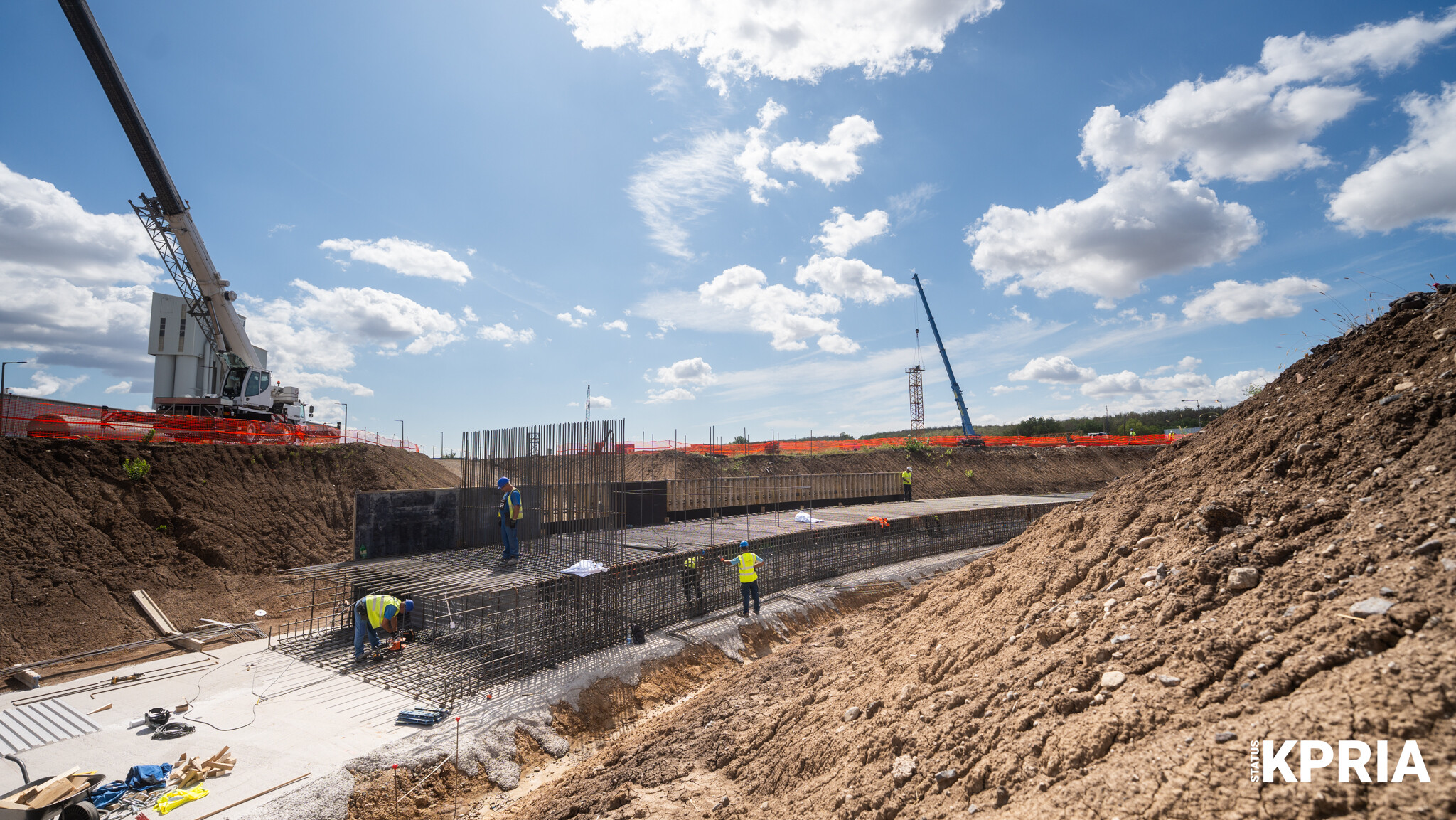
The next major step is the completion of the civil engineering works, whilst construction of the 130-metre-high cooling tower is also set to begin. By 2027, the focus will increasingly shift to building construction and technical works.
International cooperation has added value to the project
Another distinctive feature of the project is the international composition of the consortium of contractors: alongside the Hungarian firms Status KPRIA and WEST HUNGÁRIA BAU Kft., the Egyptian firm Elsewedy Power System Projects is also involved in the work. Tamás Németh explained that the partners initially had to reconcile their different working cultures.
„At the same time, the initial teething problems in the collaboration did not slow down the implementation; quite the opposite, in fact. Our different experiences complemented one another, and this has also helped the project to stay ahead of the planned schedule,” he pointed out.
According to the CEO of KPRIA, successful collaboration is also important because the experience gained from this project may prove useful in future investments abroad.
From the 130-metre cooling tower to the transformer, Hungarian companies have played a leading role
Tamás Németh highlighted the prominent role played by Hungarian companies as one of the project’s key strengths. „The architectural and civil engineering work is carried out exclusively by Hungarian companies, and for the technological work, too, preference is given primarily to domestic firms or those based in Hungary.”
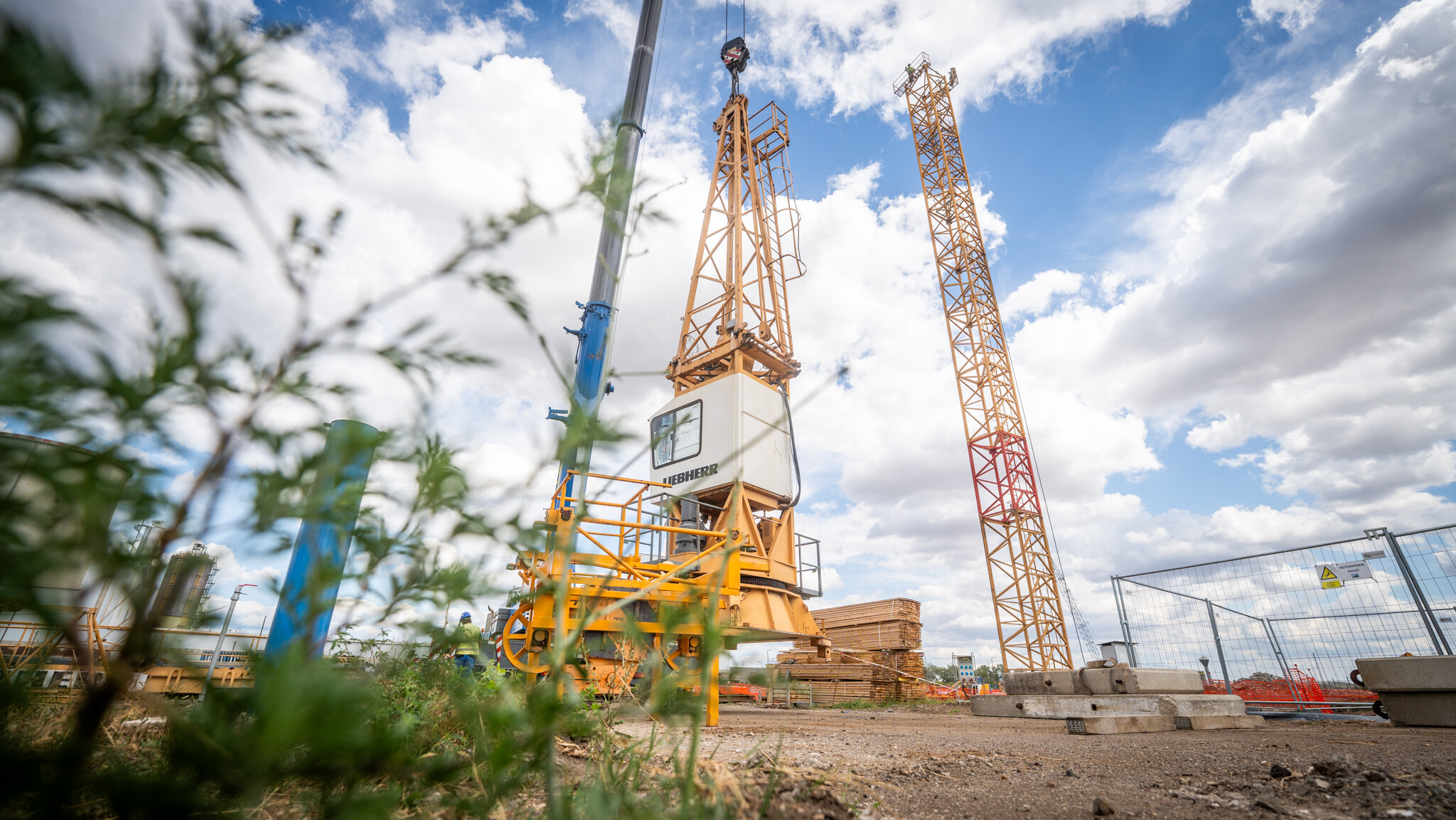
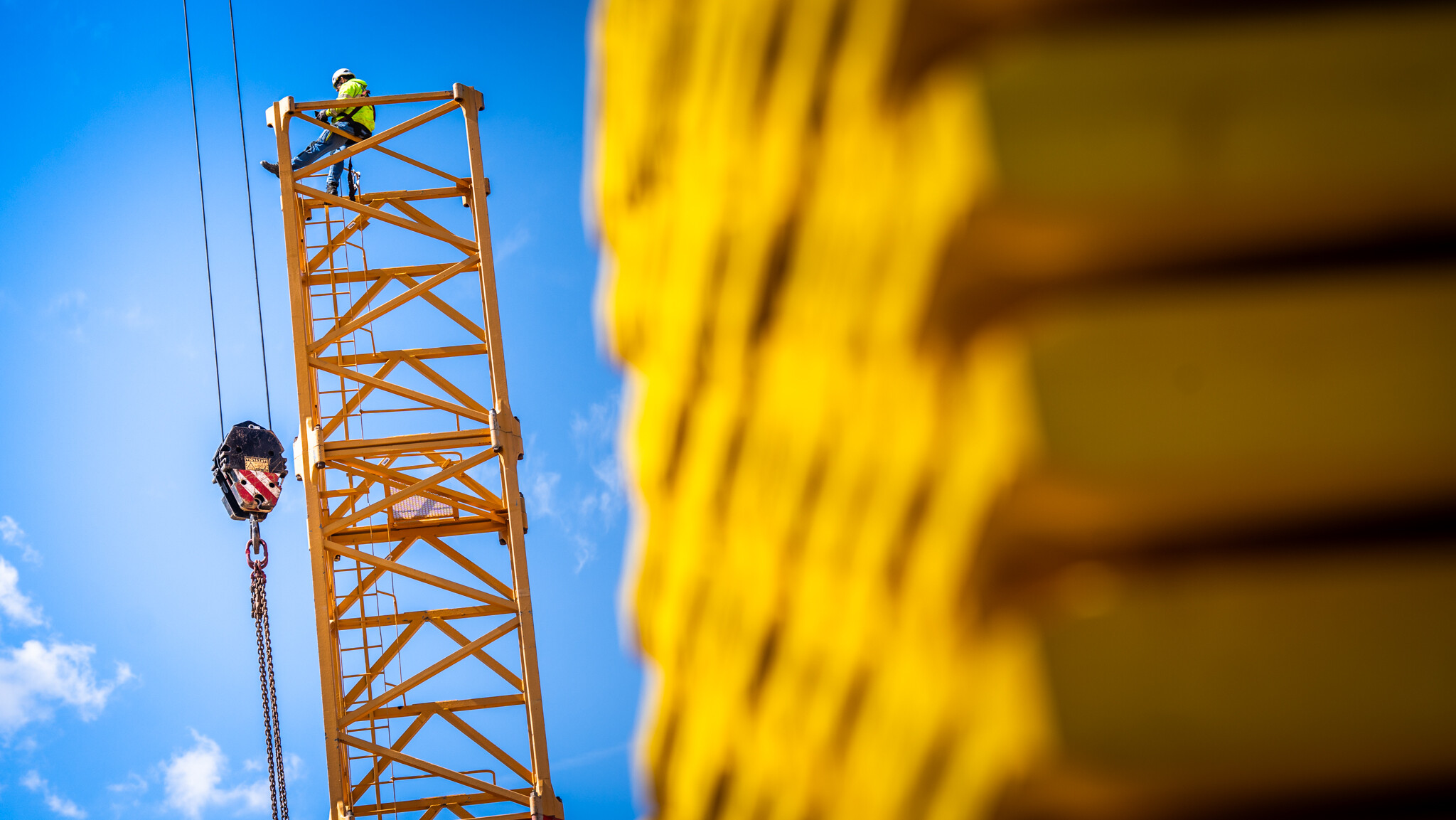
He highlighted the construction of the 130-metre-high cooling tower as a particularly impressive project, which is being carried out by a Hungarian company owned by MVM, MVM EGI Zrt.. Meanwhile, the transformer required for the project is being manufactured by Ganz Transzformátor in Tápiószele. Hungarian companies are also involved in the civil engineering, foundation and structural works.
„The investment will not only create new power station capacity, but may also help to build up domestic technical expertise that can later be utilised in other energy projects”
– the manager summarised the importance of Hungary’s involvement.
There has been a huge boom in the CCGT construction market
He illustrated the significance of the experience gained so far by referring to the situation on the international market. According to him, there has been a significant boom worldwide in the construction of CCGT power stations: on our continent, in particular, there are several such development projects currently underway in Western and Central Europe, as well as in the Balkans. „What’s more, the construction of AI data centres has caused a boom in the market, with demand for electricity generation increasing many-fold.”
In his view, this situation is also reflected in the fact that turbine manufacturers are working at full capacity.
„They have a huge backlog of orders; in fact, you practically have to pay just to get a quote for such a unit, and the lead time for turbine procurement is several years.”
They could also play a significant role in the field of energy storage
They are trying to capitalise on the market trend described above: in July, we reported that Status Energy Skopje d.o.o., which also belongs to the Mészáros Csoporth group, had entered into a contract to further develop the energy system of North Macedonia. In addition, Tamás Németh reported that they had successfully progressed to the second round of a public procurement tender for a CCGT power station in the Czech Republic.
At the same time, the company is capable of covering a broader portfolio alongside the construction of power stations. Among other things, it has experience in the construction of energy storage facilities required for the integration of renewable energy sources. In 2025, Status KPRIA commissioned a sodium–sulphur (NaS) energy storage facility in Litér with a capacity of 750 kW and a storage capacity of 4,350 kWh.
„Unlike the majority, we do not work with lithium-ion batteries; instead, we are trying to promote the installation of larger batteries with a longer storage capacity in Hungary”
– the chief executive remarked in this regard.
Experts are the most important link in the chain
In terms of future projects and market objectives, not only the experience gained but also the workforce that has gelled within the company is of immense importance. „A young, well-trained team of professionals has come together,” emphasised Tamás Németh.
„Amongst others, we have second-generation energy sector colleagues whose parents were involved in the construction of power stations in Hungary (the Paksi Atomerőmű, Dunamenti, Kispesti, Bakonyi and Lőrinci Power Stations), so their dedication is a family tradition. At the same time, we are also proud that we have managed to entice back successful professionals who were previously working for international companies and convince them to join us on this project. So, from this perspective too, it is fair to say that there is a bright future ahead for the company.”
Tamás Németh emphasised that the Hungarian team of experts and the reference project they have now secured could create a knowledge base upon which future overseas projects and further large-scale domestic projects can be built. „With this reference project, we will, amongst other things, be able to play a part in the construction of the secondary circuit for the Paks expansion,” he pointed out. (The secondary circuit is a closed water circuit comprising the conventional, non-nuclear equipment of the nuclear power station, which actually converts the thermal energy generated in the reactor into electrical energy – Ed.)
The Chief Executive – who has personal experience of the sector, having been involved in the construction of the combined-cycle power station in Gönyű, which was commissioned in 2011 – emphasised in particular that ‘grey matter’ is of particular importance in this industry.
„We need to build up a very high-level knowledge base, because this is on a different level; we’re not just talking about traditional construction projects. In the energy sector, we often say that builders measure in centimetres, whilst we measure in millimetres!” In conclusion, he summarised that one of the main tasks of the current project in Visonta is precisely to bring together these individual references and experiences from a wide range of sources.
Source: Link






The Tihany and Szántód ferry terminals are being refurbished whilst ferry services continue as normal

It’s being built at full speed and could be the saviour of our domestic energy security – what is it?

The railway line leading to the Hungarian border is also set to be upgraded as part of Croatia’s large-scale development programme

A joint professional development day for the team: they can gain hands-on experience of the latest developments in the construction industry on the ÉMW course

Rain gardens are coming to Budafok, with over 3,000 square metres of green space set to be developed

Contemporary art deco in Csopakon

Four new bridges to be built in the heart of the former industrial city

Safer driving on the motorways: new digital signs for the MKIF
-

 Industry news 2026. 08. 18.
Students were introduced to the high-tech construction industry at BME’s field camp in Göd
-
What is being built? 2026. 08. 18.
Hungary’s new McDonald’s restaurant has moved into a modernist listed building in the centre of Budapest
-
Bound track 2026. 08. 17.
New pedestrian crossings and a junction with traffic lights are being built in Angyalföld
-
What is being built? 2026. 08. 18.
New paving, a playground and visitor facilities are being planned for the Várkör area in Pannonhalma