Water management
Hungary has joined the single electricity market
PICASSO (Platform for the International Coordination of Automated Frequency Restoration and Stable System Operation) is a joint platform for European electricity system operators, which coordinates the cross-border exchange and activation of automatic frequency restoration reserves (aFRR).
They established a single European market
Whilst previously each country relied solely on its own domestic reserve capacity to maintain the balance of the network, the key benefit of the new system is that, when used, a coordinated algorithm always activates the cheapest available European bid.
Frequency fluctuations occurring within seconds or minutes can thus be compensated for using a much larger, cross-border pool of capacity,
which is also a huge help in integrating renewable energy sources more effectively, as the larger common control area allows for more flexible smoothing of the rapid and unpredictable fluctuations in output from weather-dependent renewable energy sources.
As stated in the press release for Mavir stated in its announcement: in line with preliminary plans, the process of connecting to the MARI and PICASSO platforms commenced successfully in the early hours of 1 October, and from 1 October 2026 00:00, the Hungarian electricity market switched to standard aFRR and mFRR balancing services. The MAVIR platform connected to the PICASSO platform at 02:00, and aFRR and mFRR activations will subsequently take place gradually via the European MARI and PICASSO platforms, thereby ensuring Hungary’s integration into the continental balancing and energy markets.
Over the past six months, the system operator has placed particular emphasis on preparing market participants, and the successful transition process has clearly confirmed the effectiveness of this approach. As a next step, on 5 October, the mFRR regulatory energy market will also be interconnected via the MARI platform.
Five years’ work
Following nearly five years of intensive development and a six-month preparatory phase carried out in close cooperation with market participants, a „new era is now beginning in the Hungarian electricity system” with regard to the procurement and use of balancing energy.
This paradigm shift is of comparable significance to the liberalisation of the electricity markets in the early 2000s, they emphasised.
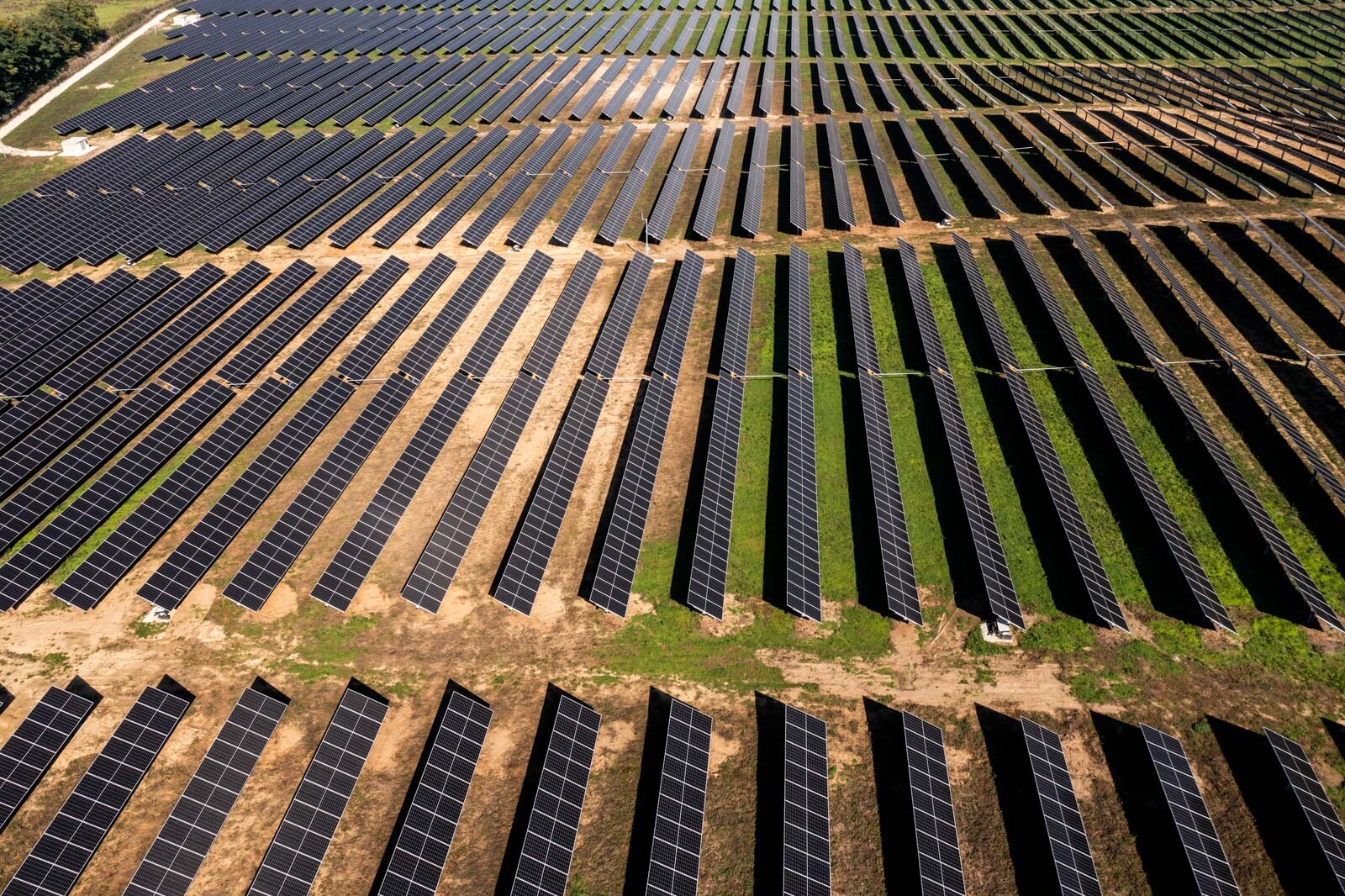
In Hungary, solar power generation has surged in recent years, posing an extreme regulatory challenge for the domestic grid. With the integration of international sources, the balancing pressure on the domestic system is now easing. This is also an important factor in price formation, as system balancing costs were previously exceptionally high due to the limited domestic regulatory market, but connection to the common platform is bringing down local price peaks.
It was not only security of supply that was strengthened following the transition to a market economy: value was also created for many players in the sector. Domestic gas-fired power stations and battery energy storage facilities can now sell their regulatory capacity not only at home but also on the continent’s single market.
Source: Link







„It has reaffirmed that this is my path” – The 7th Duna Group Szabadegyetem has come to an end

Condominium grant schemes, a national knowledge centre, and reconstruction in Ukraine – forward-looking initiatives discussed at the ÉVOSZ board meeting

Four blocks, 254 flats: structural work on the Csepel apartment block is progressing using PERI systems

The technology used on the Déli Körvasút is being praised in the international press

Rain gardens are coming to Budafok, with over 3,000 square metres of green space set to be developed

Four new bridges to be built in the heart of the former industrial city

Contemporary art deco in Csopakon

Safer driving on the motorways: new digital signs for the MKIF
-

 Current at 2026. 08. 25.
Apples and pears: according to MKIF, no valid conclusions can be drawn about the operation of the M6 from technical parameters that are not comparable
-
Current at 2026. 08. 26.
Grab your tools – The large-scale workshow for builders and gardeners is about to begin
-
What is being built? 2026. 08. 25.
They haven’t skimped on the technical specifications: this is what the Insula Residential Park in Komárom will look like, featuring the Leier solutions
-
Current at 2026. 08. 23.
The Miskolc cave spa was completed in time for 20 August thanks to some ingenious solutions – a photo gallery and on-site report