Climate-X
The redevelopment of the mining site will protect Sümeg from flash floods

A long-standing problem is being resolved in the north-eastern part of Sümeg under project STRABAG. With funding from the EU and the Hungarian government, the town has commissioned a comprehensive upgrade of the rainwater drainage system.
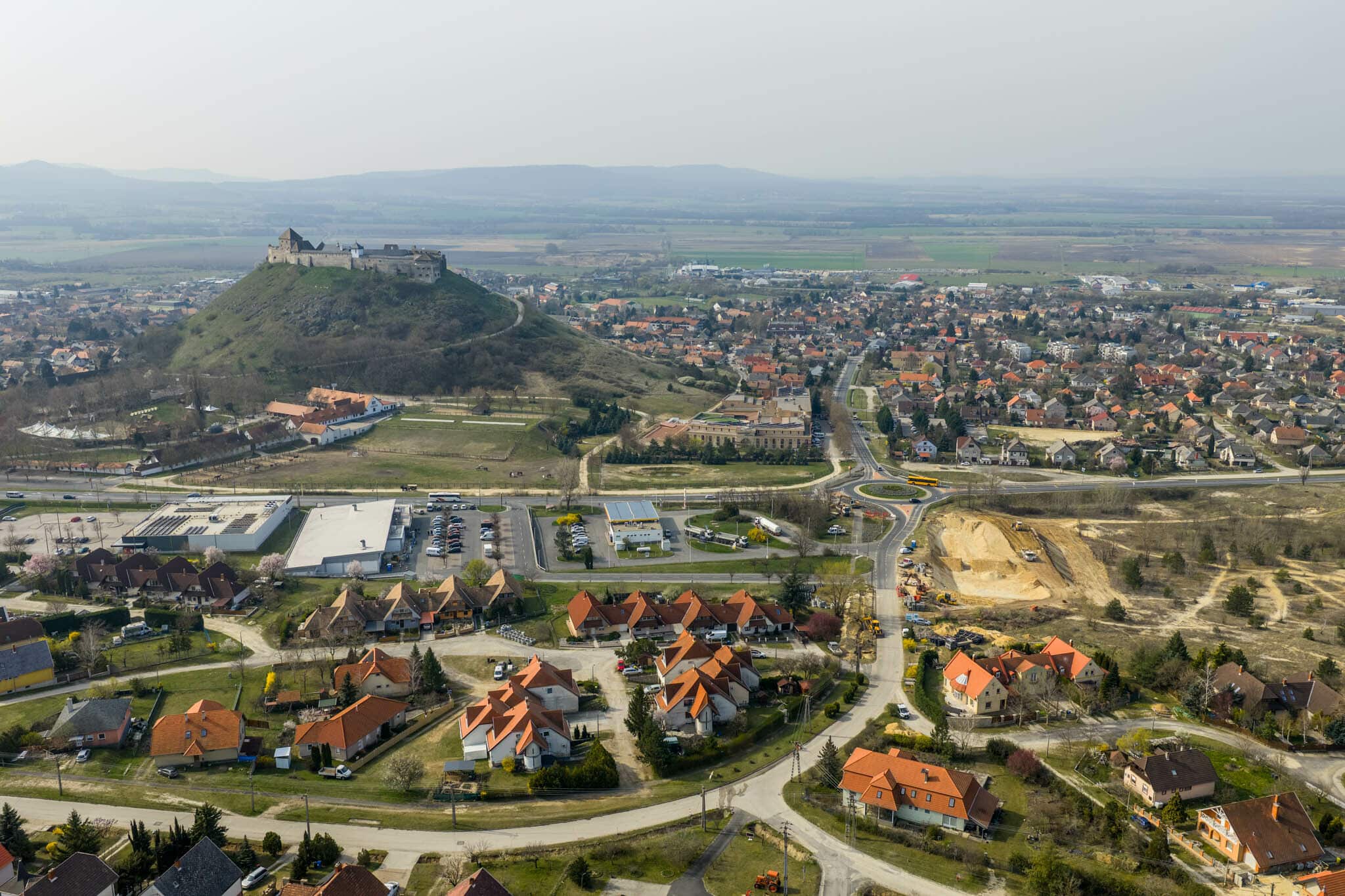
Rainwater is being channelled into reservoirs instead of the Marcal
During the preparatory phase of the project, the local council consulted with experts from the Disaster Management Directorate on how to manage flash floods, which have become increasingly common in recent years.
During the consultation, the locations for the works were identified and a decision was made to construct a drainage basin and a stormwater retention basin on the site of the former gravel pit.
In addition, the district will be equipped with an independent rainwater drainage system, the major advantage of which is that water will no longer need to be channelled through the town to the River Marcal, which currently serves as the area’s primary drainage route.
A comprehensive soil mechanics study was carried out for the design of the storm water retention basin. The hydrological characteristics of the individual sub-catchment areas and the calculations of design discharge rates are included in the hydrological calculations.

The lack of infrastructure and the terrain also complicate matters
The problem is not limited to significant changes in rainfall intensity. A major catchment area from the outskirts, originating from Rendeki Hill, joins the area, from which large volumes of rainwater flow into the residential area via the steep catchment.
The water-carrying capacity of the existing ditches, drains, culverts and gateways is inadequate in several places; the channels and drains have silted up, and in some sections no unified drainage system has been built at all – Róbert Czintula informed our portal. The project manager of STRABAG, the company commissioned with the works, added that heavy rainfall in recent years has caused serious damage in several places in the district. The rushing water has damaged the surface of numerous gravel roads within the town – including Vincellér Street, Panoráma Hill and Hegybíró Street – washing away the gravel surface over several hundred metres and rendering the roads hazardous.
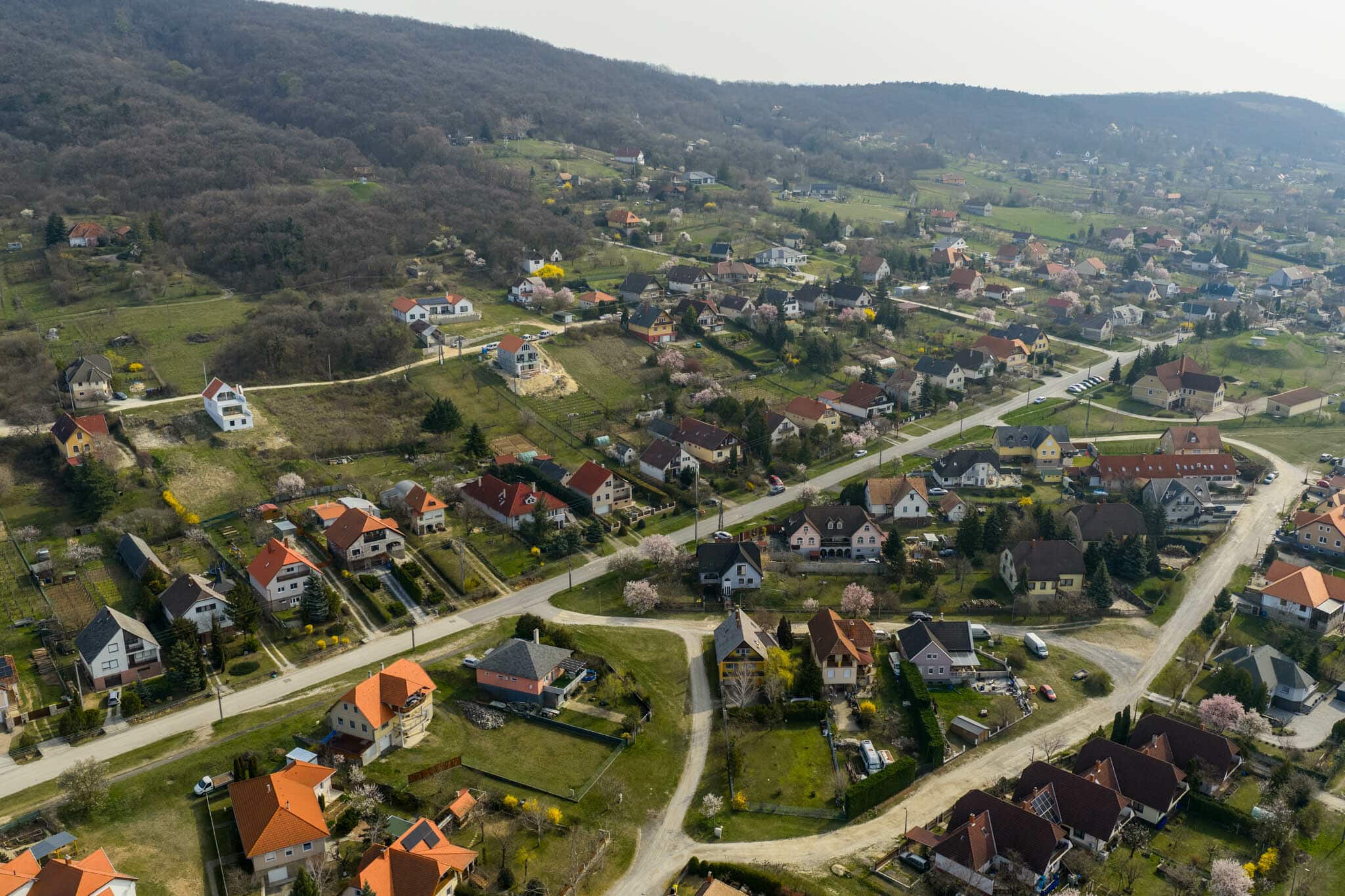
A dual-basin stormwater retention facility is being built
The project aims to ensure the safe drainage of rainwater in the part of the town located above the 84 main road. The works will affect, amongst others, Báróházi Street, Boróka Street, Fehérkő Street, Hegybíró Street, Karolina Street, Mandula Lane, Panoráma Hill, Vadrózsa Street, Várvédők Road and Vincellér Street.
Róbert Czintula explained that the system currently under construction consists of several main components, which manage rainwater in a complex manner.
As part of the project
- a two-basin, earth-filled stormwater retention basin,
- a closed drainage system comprising concrete and plastic components,
- silt-trapping and water-regulating structures,
- and install a prefabricated open-channel surface drainage system.

The system has been designed to cope with rainfall occurring once every ten years
Rainwater from this part of the town is channelled to the site of a former gravel pit located at the junction of Main Road 84 and Fehérkő Street. The retention and infiltration basin is being constructed on this site. The water is channelled under the main road via a closed storm drain.
The construction was preceded by soil mechanics tests and hydrological calculations. In designing the reservoir, the engineer took into account design rainfall events with a 10-year return period and a duration of 30 minutes. The design flow rate is 867.1 litres per second for a four-year return period and 1,170.6 litres per second for a ten-year return period. On this basis, the minimum required storage volume was determined to be 2,107 cubic metres.
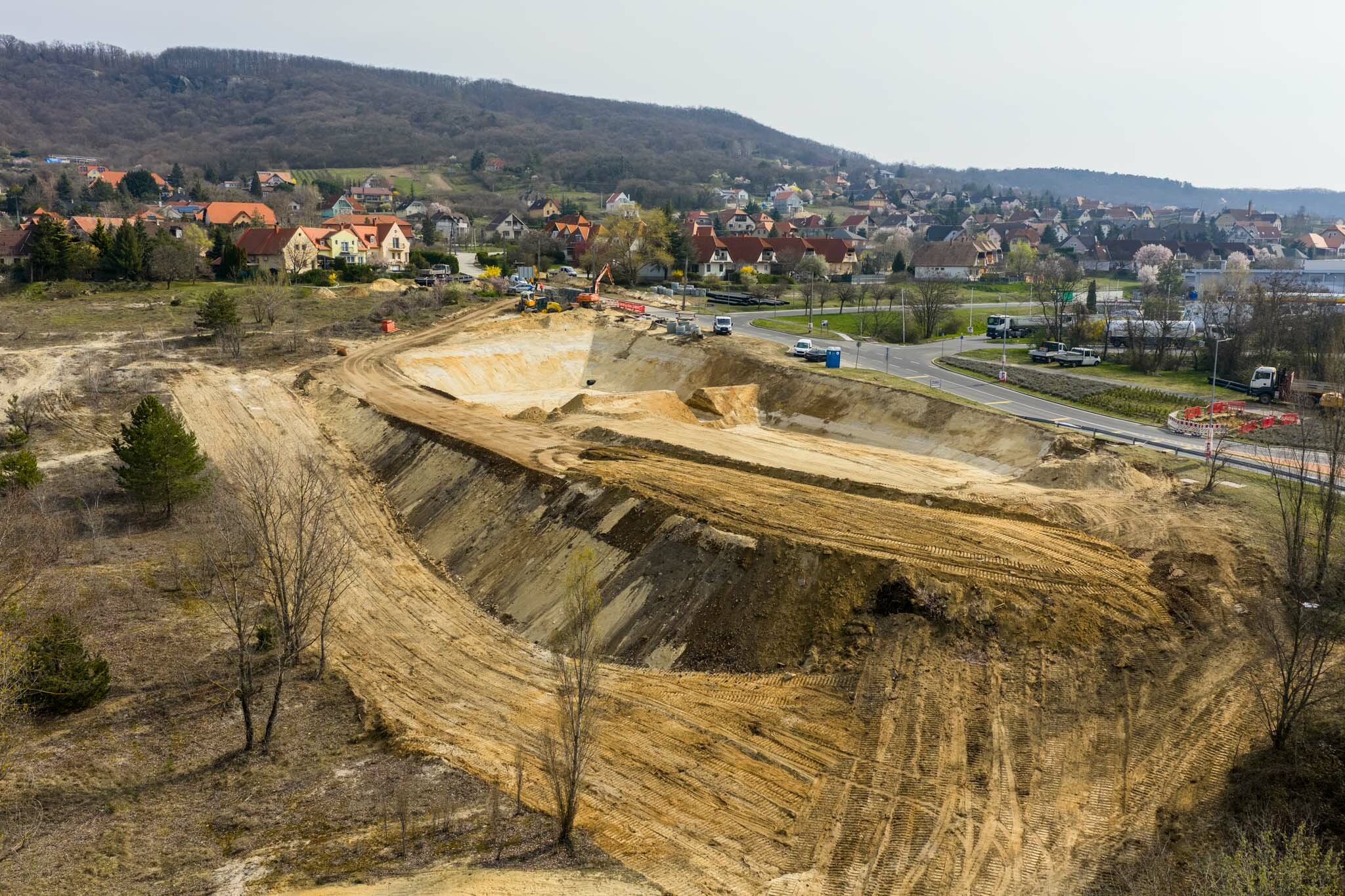
Seven thousand cubic metres of earth were moved
Around 7,000 cubic metres of earth are being moved to construct a two-basin, earth-lined stormwater retention basin on the site of the former gravel pit. In addition to earth excavation, embankment widening is also being carried out during the earthworks. Róbert Czintula explained that the greatest challenge in this area, with its mixed dolomitic soil structure, is ensuring the stability of the reservoir embankment slopes. As part of the complete system, a closed drainage system consisting of concrete and plastic elements, a silt trap and water control structure, as well as a prefabricated open-channel surface drainage system will be constructed.
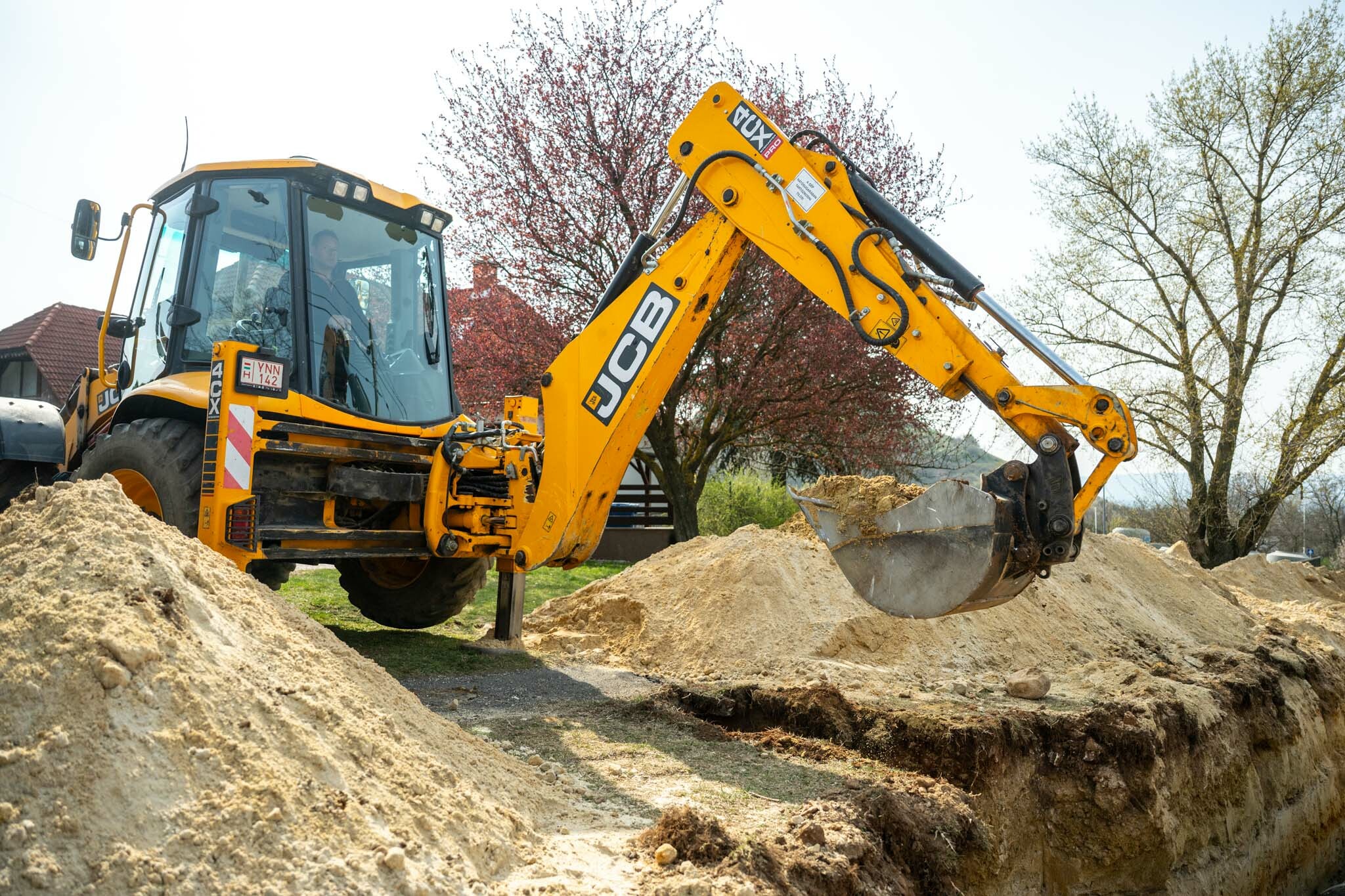
A drainage system is also being installed on the hillside, which is becoming more densely populated
One of the complex challenges during construction is the need to install concrete gravity sewers amongst the existing utility networks in a densely populated area.
According to the project manager, one year has been allocated for the construction work, and the progress of the works is being managed in line with this schedule.
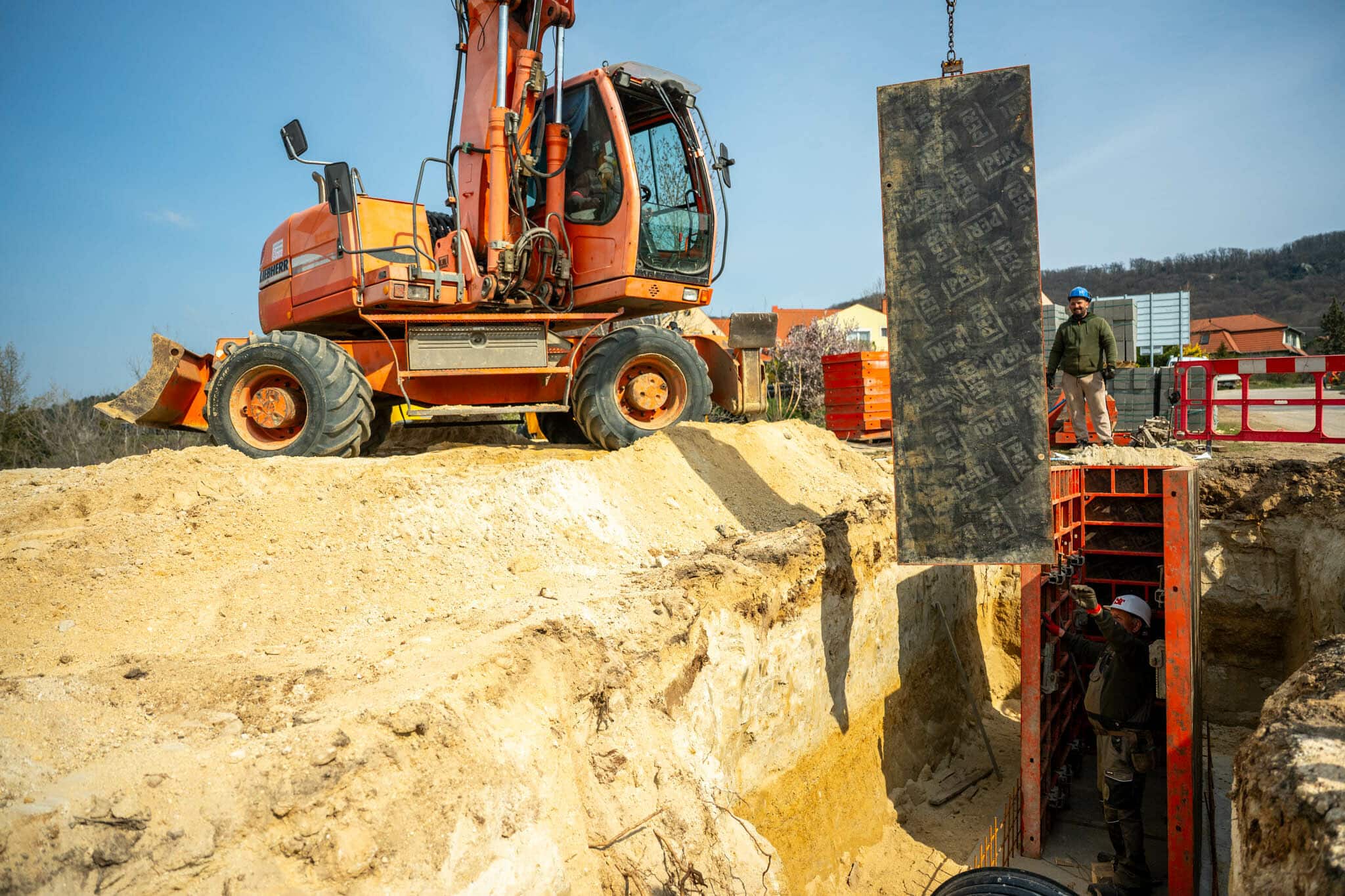
Once the water management project is complete, it will be time to develop the roads
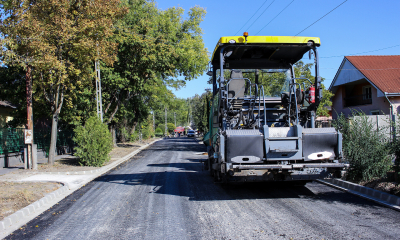
The current project is primarily aimed at the safe drainage and management of rainwater. This may be followed by the asphalting of the streets in the area. The streets in question are currently covered with gravel or milled asphalt; providing them with a hard surface will form part of a subsequent investment.
The project also includes a mandatory awareness-raising component, which aims to draw the public’s attention to the reuse of rainwater. In addition, the Integrated Urban Water Management Plan for the Town of Sümeg will be finalised, which will provide a framework for urban water management tasks in the longer term.

Source: Link







Reconstruction of the M1 motorway’s carriageway towards Győr can begin under the new traffic arrangements

Alpine engineering techniques are also being used to protect the railway in the Danube Bend

Instead of patchwork repairs – large-scale refurbishment work is under way on the dilapidated main roads in the Transdanubia region

The expansion joints on the Buda side of the Erzsébet Bridge were installed overnight

Four new bridges to be built in the heart of the former industrial city

Rain gardens are coming to Budafok, with over 3,000 square metres of green space set to be developed

Contemporary art deco in Csopakon

Safer driving on the motorways: new digital signs for the MKIF
-

 Current at 2026. 09. 09.
A first-hand look at a career in engineering – Duna Group Szabadegyetem is back
-
Climate-X 2026. 09. 09.
Nyíregyháza Spartacus FC goes green – four hundred solar panels to be installed on the stadium roof
-
Bound track 2026. 09. 15.
Nearly 50,000 people travel on it every day – the refurbishment of the Cegléd main line continues
-
Current at 2026. 09. 09.
Rental flats, Rákosrendező, decentralisation – important ideas were put forward on the Real Estate Beach Conference stage