
What is being built?
187 new parking spaces will ease congestion around the Nyíregyháza Stadium

The local council of Nyíregyháza has launched a comprehensive car park and road renovation project to manage traffic around the City Stadium and address the occasional parking difficulties in the surrounding area. The contract was awarded to „KE-VÍZ 21” Építőipari zRt., the winner of the public procurement tender, which has already played a significant role in the development of the county town’s infrastructure.
The project was completed by the end of the summer, in line with the agreed deadline, by the experts at one of the region’s leading construction firms – a multi-generational family business based in Nyíregyháza. We spoke to the company’s staff to find out more about the details.
187 new parking spaces will ease the pressure on the neighbourhood
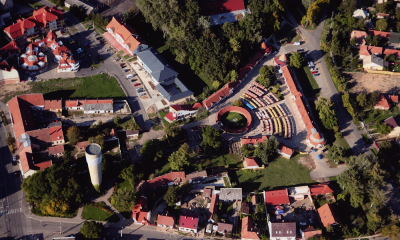
As we learnt from the experts at KE-VÍZ, the length of the section of Stadion köz undergoing road resurfacing is 363 metres, where a total of 187 car parking spaces and 6 bus parking spaces have been created.
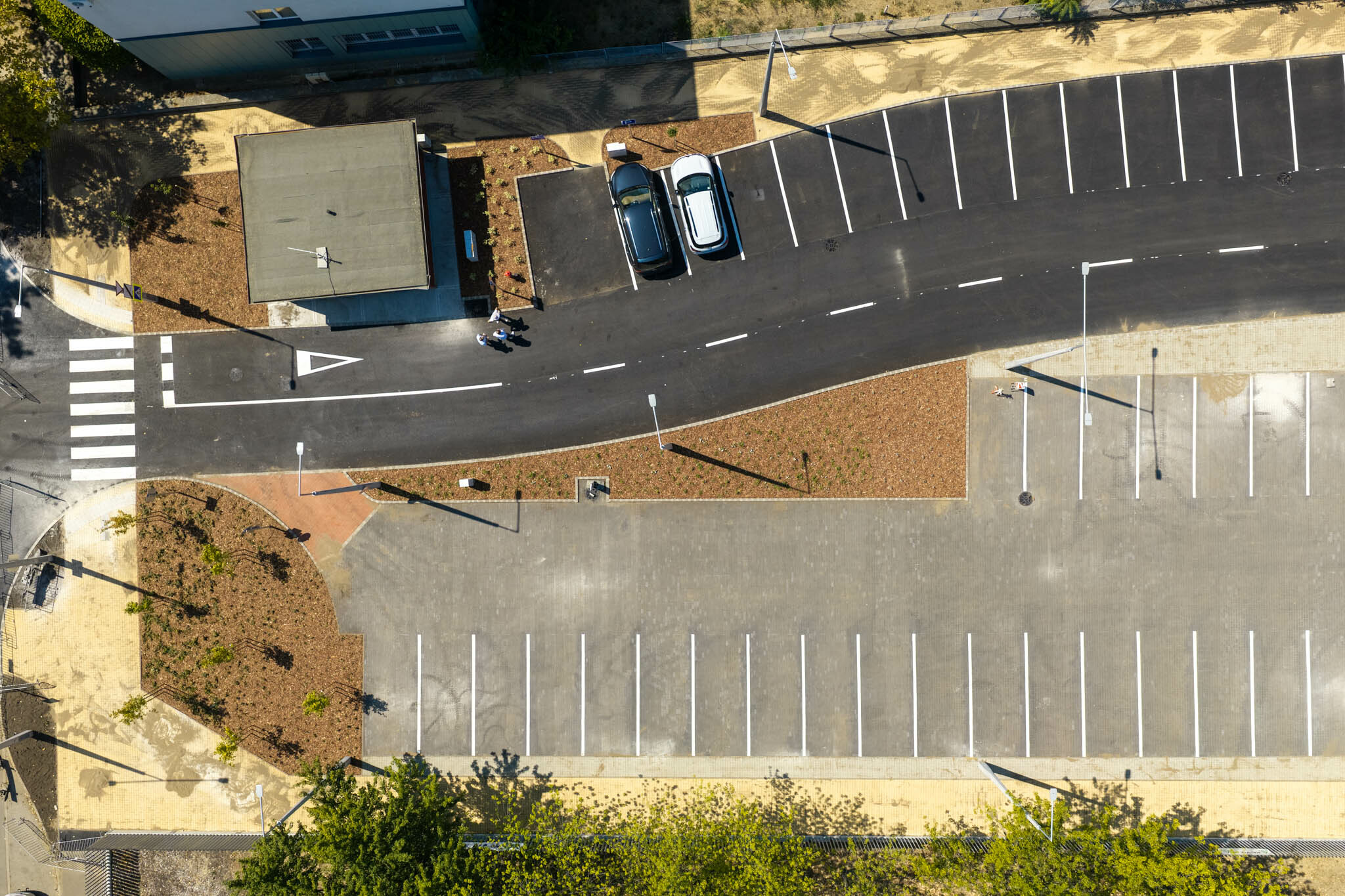
Construction work began in April 2026, and the company had four months to complete the project (not including the duration of the technical handover procedure). The project’s work streams – demolition and preparatory works, utility relocation and installation, roadworks, the installation of traffic management elements, and landscaping – have now been completed, and the contractors have managed to stay within the timeframe despite all the difficulties.
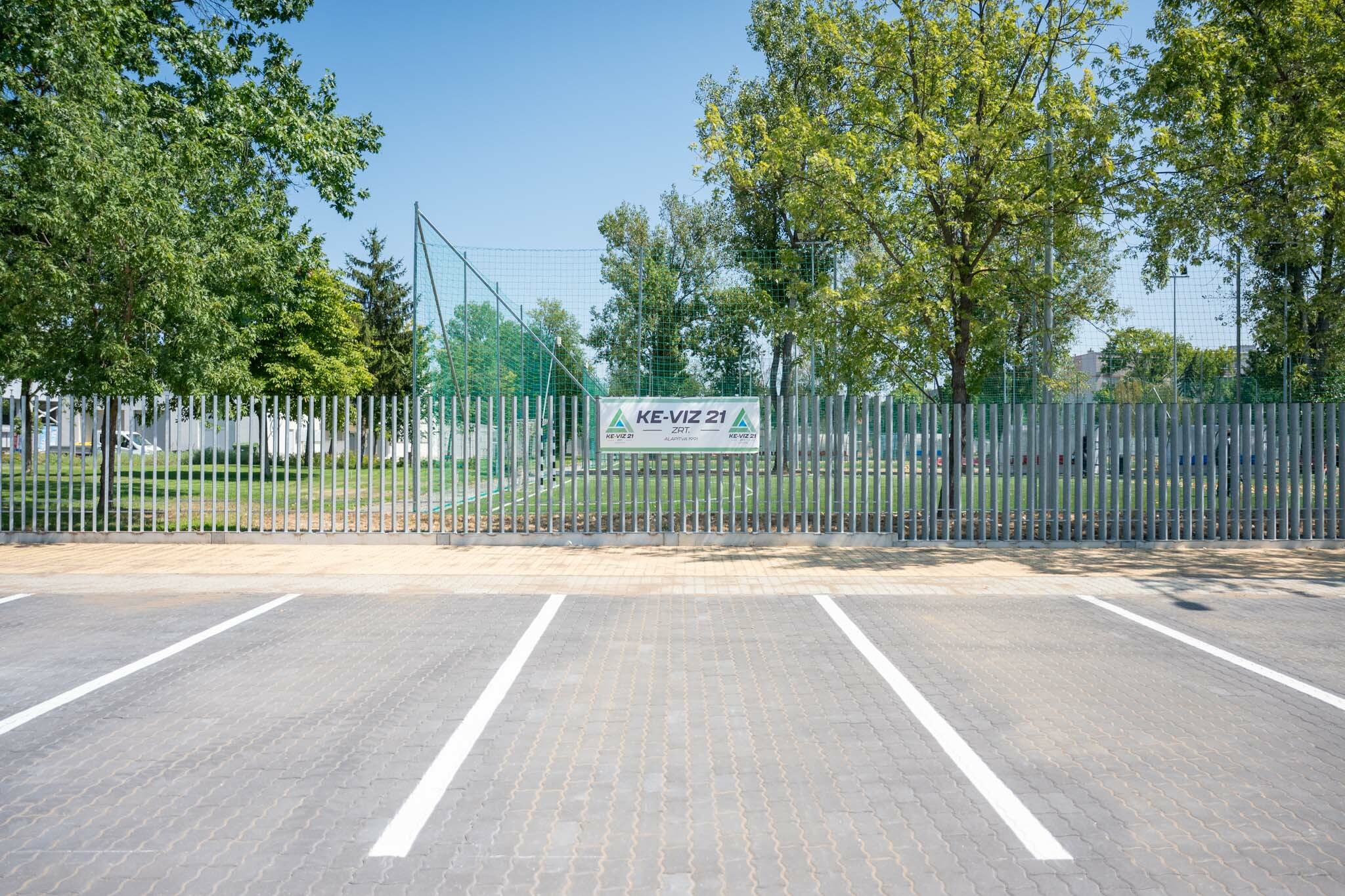
„During the demolition work,” we were told by staff at KE-VÍZ, “we milled off and removed the worn-out asphalt surface. As part of the construction works, the asphalt road and the car park surfacing were renewed, and we also created new, parallel parking spaces. A raised-level car park with paving stones was also constructed.
”In addition, we replaced the ageing drinking water mains, installed a new, closed stormwater drainage and drainage system, erected LED street lighting columns, prepared the power supply infrastructure for electric vehicle charging points, and carried out work to improve green spaces and landscaping.”
Environmental awareness was a key objective
The task required technical solutions that took into account the need to minimise environmental impact in several respects.
No trees were felled during the project; however, 12 trees – which had been repeatedly pruned and pre-grown – were planted, along with shrubs and perennials, and 35 planters measuring 1x1x1 metres were installed, which can be easily moved across the paving using a forklift.
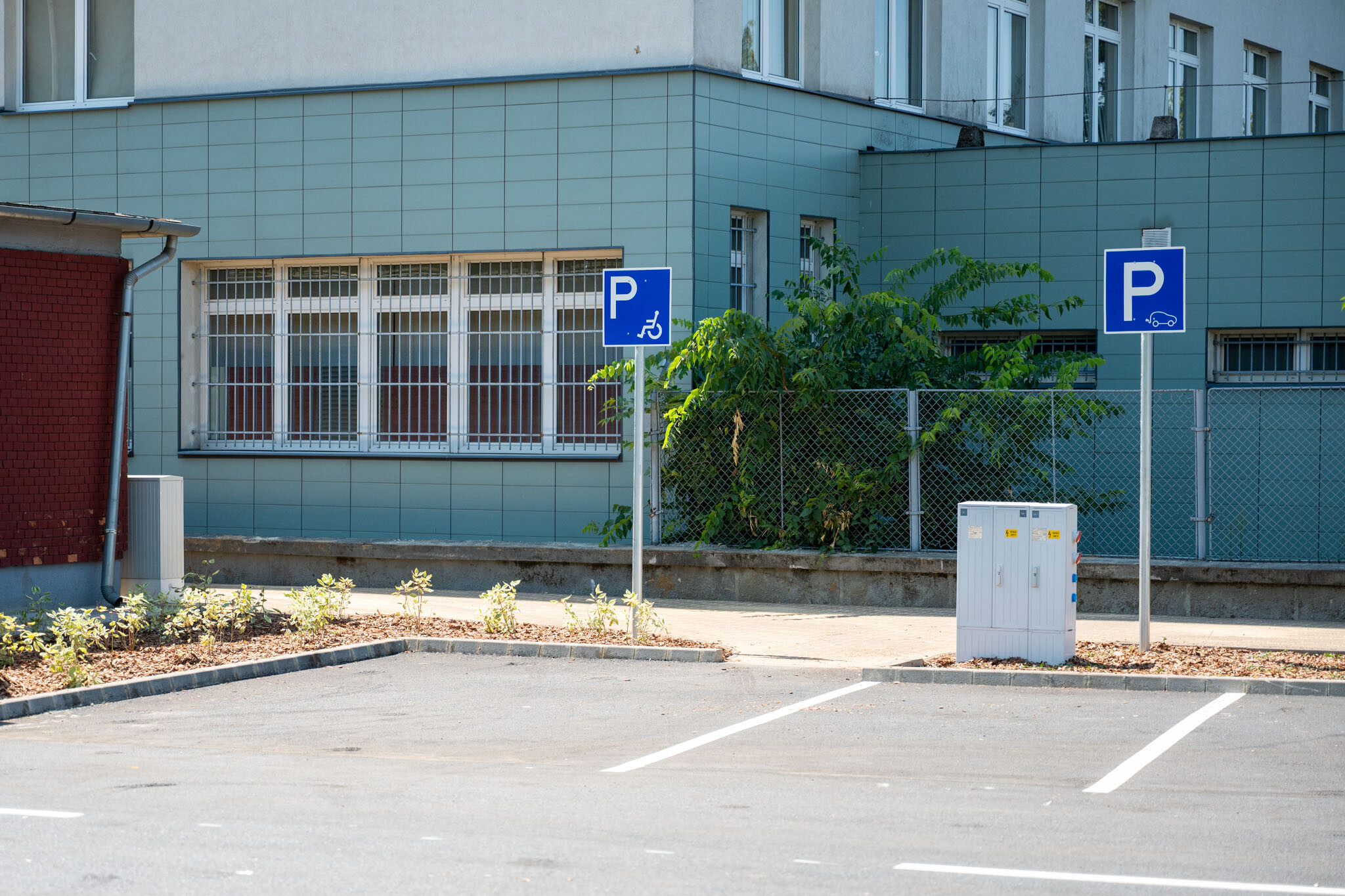
„In addition, we have installed protective conduit and cabling for electric charging points at four parking spaces, in preparation for their future installation. Benches and litter bins also help to optimise the use of the space,” they reported.
„The milled asphalt and excavated soil resulting from the milling work were recycled to the greatest extent possible, in accordance with technical capabilities: both on-site and in the asphalt production process. Rainwater running off the paving stone-surfaced car park areas flows through oil separators into the infiltration system, which ensures on-site rainwater retention.
The underground infrastructure elements were also put in order
An ageing NA 80 (DN80) asbestos-cement drinking water pipe, which ran along an unstable route, was in place along the entire section; this was replaced by a KPE drinking water trunk main beneath the new road surface, and above-ground fire hydrants were also installed as part of this work.
„We demolished the old, outdated rainwater drainage system and installed a new, closed, gravity-fed drainage system,” you explained. „In addition, we completely dismantled and rebuilt the old underground cable-based street lighting network, starting from the supply transformer.”
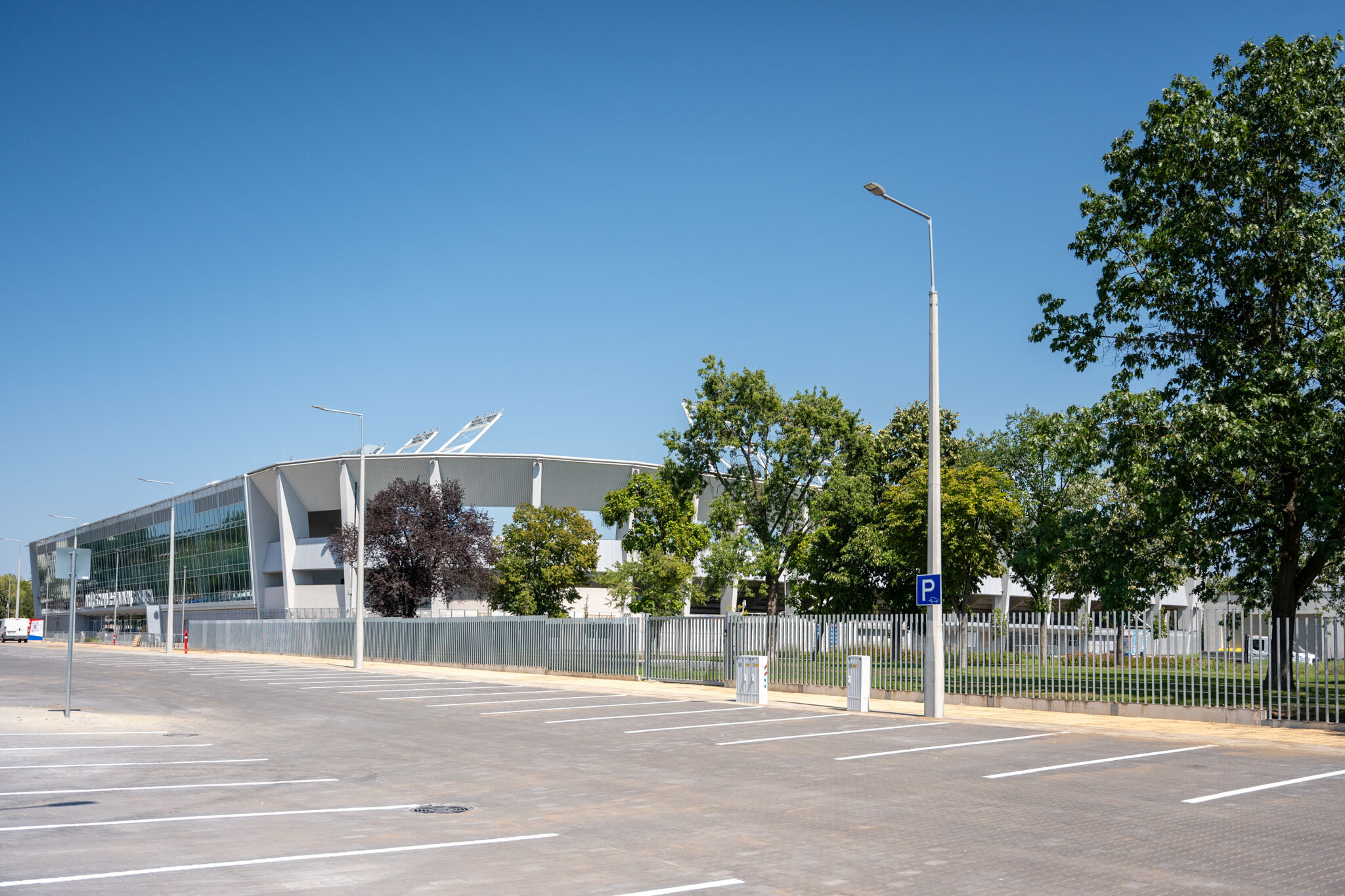
As a result of all this, the 187-space car park has significantly eased the parking pressure around the stadium. On the upgraded section of road, accessible pavements and new and refurbished pedestrian crossings also enhance pedestrian safety; the 30 km/h speed limit and the built-in speed-sensitive rumble strip help to maintain a quieter, safer and more pedestrian-friendly traffic environment.
Source: Link






187 new parking spaces will ease congestion around the Nyíregyháza Stadium

The roadworks in Újpest have reached the halfway point: a new phase of works is set to begin on István út and Pozsonyi utca

A new urban complex is taking shape on the site of the Szikra Printing Works – the Parkside Residence has already reached its highest point

Berettyóújfalu is upgrading ten roads within the town

Rain gardens are coming to Budafok, with over 3,000 square metres of green space set to be developed

Contemporary art deco in Csopakon

Four new bridges to be built in the heart of the former industrial city

Hungary's biggest motorway upgrading programme is underway
-

 What is being built? 2026. 07. 27.
Construction of Phase VIII of the Somfa Liget residential estate is underway using hybrid construction methods, prefabricated elements and the LEAN organisation model
-
Water management 2026. 07. 27.
Szeged is getting rid of its asbestos-cement and cast-iron pipes
-
Road building 2026. 08. 05.
The main road leading to a key tourist destination in Bihar is being upgraded using cold recycling technology
-
What is being built? 2026. 08. 06.
Paks II.: What does the new milestone for Unit 5 mean in the context of the review?


