Kirakat
A modern central ventilation system can also increase the value of blocks of flats

In a new flat, good thermal insulation and modern windows and doors are a basic requirement. But how does fresh air get into our home when the windows are closed? This question is particularly pressing on busy city streets, where opening the windows can let in noise, dust and pollen, whilst in winter some of the flat’s heat escapes. A properly designed central ventilation system featuring filtration and heat recovery ensures controlled air exchange. The Lindab offers complete ventilation solutions for blocks of flats.
A well-designed ventilation system contributes to good indoor air quality, living comfort and energy-efficient operation, whilst increasing the property’s value in the long term.
Centralised ventilation: benefits for the entire building
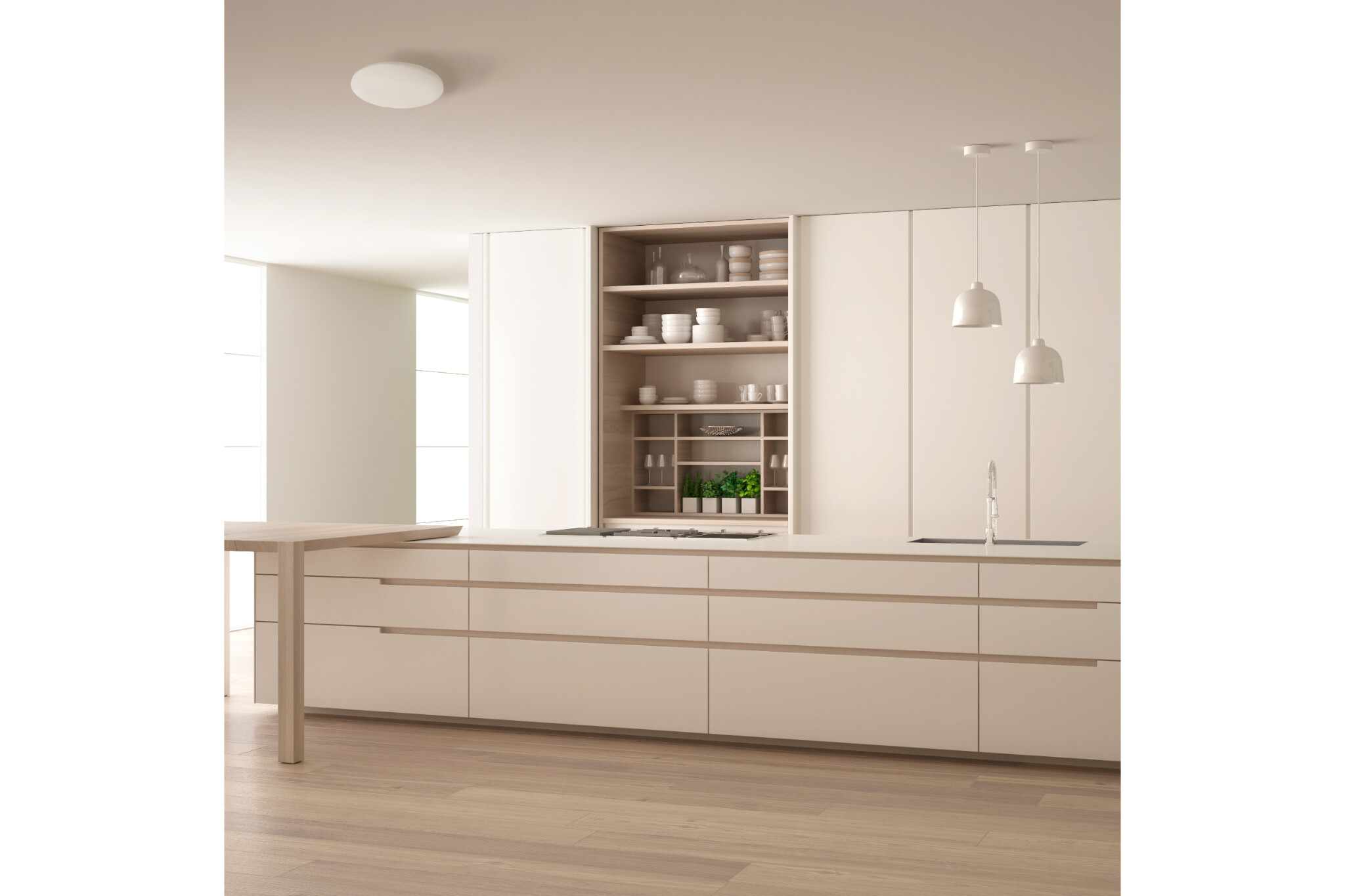
In blocks of flats, ventilation is not just about the comfort of the flats. Designing a good system also has an impact on energy consumption and subsequent operation. It is therefore worth considering the option of centralised mechanical ventilation as early as the design stage and bearing in mind its long-term benefits.
With appropriate sizing and adjustment, the central system can ensure the coordinated supply of fresh air and the extraction of stale air. Consequently, the optimal air volume in each flat is less dependent on when and for how long the residents open their windows.
Filters that can be fitted to the system can reduce the amount of dust, pollen and other particles entering from the outside air. Regular inspection and replacement of the filters are necessary to maintain both good air quality and efficient operation.
The centralised design also simplifies operation. The inspection, maintenance and filter replacement of the equipment can be carried out centrally and in a predictable manner. Meanwhile, in the flats, typically only the ventilation terminals – such as the aesthetically pleasing air inlets that are fitted into the ceiling or wall. The system operates in the background, ensuring the right quantity and quality of air to provide everyday comfort.
A good decision is made right there at the drawing board
The benefits of centralised ventilation are truly realised when the system is incorporated right from the design stage of the building. The routing of the air ducts, the dimensions of the plant rooms, the positioning of the equipment, noise reduction and maintenance requirements must all be planned in coordination with the building’s other systems.
- A investor For them, state-of-the-art ventilation is not merely another item on the mechanical engineering list. Adequate indoor comfort, energy-efficient operation and well-thought-out, energy-efficient operability are characteristics which increase the property’s utility value and appeal.
- A residents For them, this means a more comfortable home and the opportunity to reduce energy loss.
- From operator yet you can expect more predictable maintenance and a system that can be operated more efficiently
The Lindab takes a holistic approach to the ventilation of residential buildings, covering everything from air-handling units and heat recovery, through the ductwork network, right down to the control elements and air diffusers. Properly selected and coordinated components ensure the designed air flow rate, indoor comfort and energy-efficient operation.
Heat recovery and demand-driven operation: energy efficiency in practice
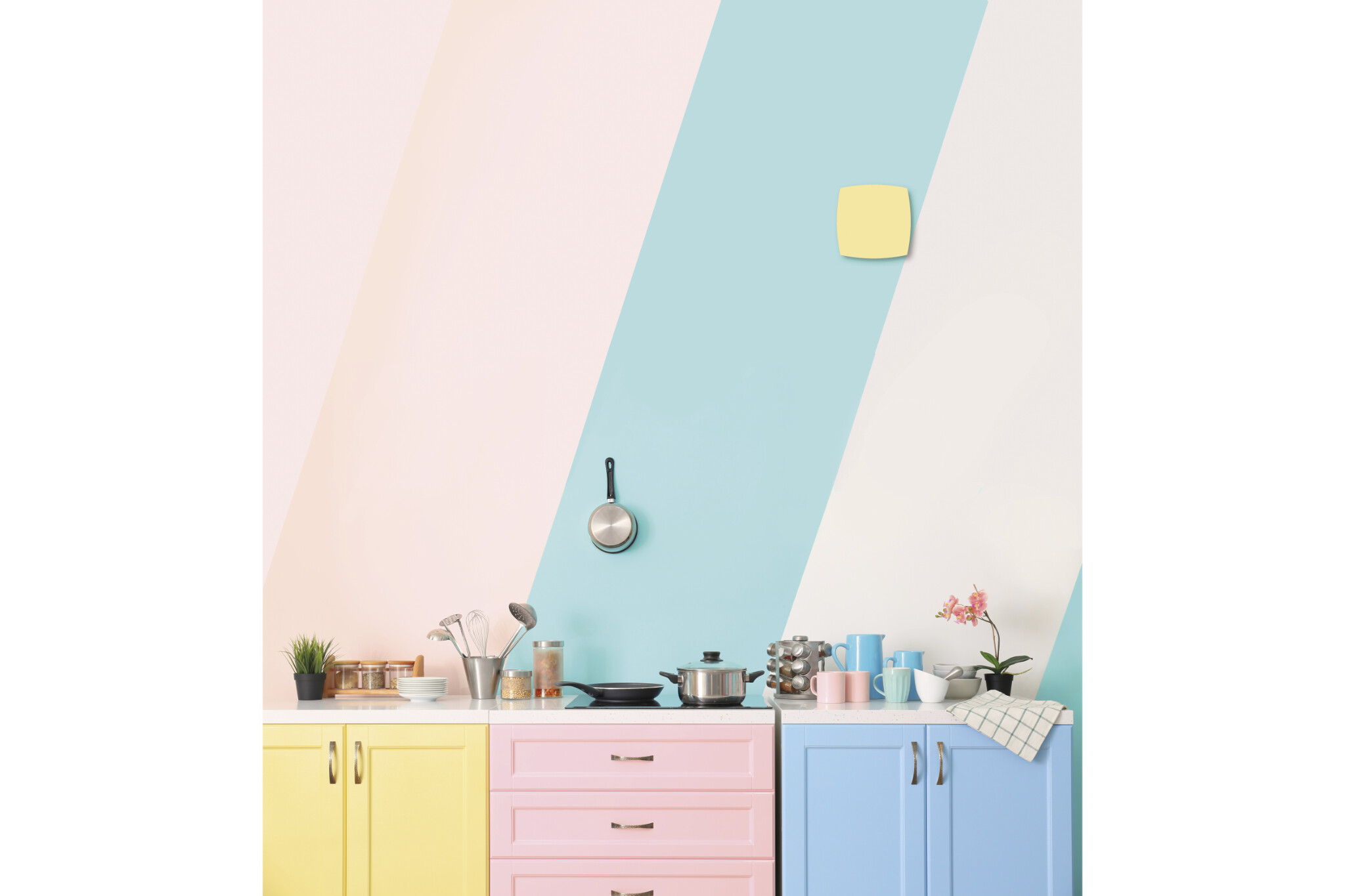
In mechanical ventilation with heat recovery, some of the heat from the exhaust air is used to preheat the incoming fresh air, thereby reducing the heat loss associated with ventilation. This is particularly important in well-insulated, low-energy buildings, where the energy consumption of the ventilation system must also be reduced to ensure efficient operation.
Demand-controlled ventilation, or DCV (Demand Controlled Ventilation), adjusts the air flow rate to suit current usage. With the aid of appropriate sensors and control systems, a higher airflow can be provided when and where it is needed, whilst it can be reduced when demand is lower. This can reduce the energy consumption of the fans.
In blocks of flats, it can be particularly advantageous that the central system is able to take into account the different usage patterns of individual flats. This means there is no need to regulate this individually for each flat.
Heat recovery, demand-driven control and regular maintenance all contribute to energy-efficient operation. The centralised mechanical engineering design is therefore also advantageous from an operational perspective.
It is in a well-insulated building that a constant supply of fresh air is really needed
In newly built residential properties, modern windows and doors and airtight building structures can significantly reduce energy loss. At the same time, in hermetically sealed spaces, without adequate air exchange, moisture and indoor pollutants can accumulate, whilst persistent damp can lead to mould growth. This can result in reduced comfort and pose health risks. For this reason, even the state-of-the-art construction technologies used in today’s modern buildings emphasise the importance of mechanical ventilation.
The indoor air in homes is not only polluted by pollutants coming from outside. Pollutants are also released into the air during cooking, cleaning and everyday activities, whilst furniture and certain building materials may emit volatile organic compounds. Researchers at Debreceni Egyetem have drawn attention in their studies to the health risks posed by indoor pollutants, which can cause fatigue and difficulty concentrating in the short term, and may even lead to upper respiratory tract complaints in the longer term.
Mechanical ventilation helps to remove pollutants and excess moisture from the home, whilst ensuring a sufficient supply of fresh air. However, regularly opening windows is not ideal in every situation: during the pollen season , allergens can enter the home; near busy roads, dust, noise and outdoor air pollution also make ventilation difficult; and in winter, heat energy is lost with the outgoing air, which is not an energy-efficient solution.
The researchers at Debreceni Egyetem highlighted one of the advantages of mechanical ventilation as being the ability to supply fresh air to the building in a targeted manner and in a controlled quantity. At the same time, air filtration and heat recovery can also be implemented. This approach is also an important design consideration in modern residential buildings.
Centralised ventilation is therefore not merely about bringing in fresh air. It can form part of the value of a modern block of flats, contributing to residents’ comfort, supporting energy-efficient operation and resulting in a property with a higher value.
Sources:
The most effective method of ventilation has been discovered | UNIVERSITY OF DEBRECEN
The invisible risk: volatile pollutants in indoor environments | UNIVERSITY OF DEBRECEN
Source: Link







A cooling vest, greener tarmac and digital work management: this is how the STRABAG is responding to climate change

A centre is being built for couples struggling with infertility under project Debreceni Egyetemen

A modern central ventilation system can also increase the value of blocks of flats

The area around Malom Lake in Oroszlány has been revitalised with the addition of an owl castle and a viewing hill

Four new bridges to be built in the heart of the former industrial city

Rain gardens are coming to Budafok, with over 3,000 square metres of green space set to be developed

Contemporary art deco in Csopakon

Safer driving on the motorways: new digital signs for the MKIF
-

 Industry news 2026. 09. 19.
Duna Aszfalt paid more than 10 billion forints in interest to state-owned banks
-
Climate-X 2026. 09. 22.
From the heating plant to the library – solar panels are to be installed on eight local authority buildings in Kiskunfélegyháza
-
Climate-X 2026. 09. 26.
The first municipal thermal power station in Transylvania is under construction
-
Industry news 2026. 09. 19.
The cream of three industries in one place: the HOMEINFO Építőipari, Faipari és Kertépítő Mester Workshow is coming!