Industry news
A space brimming with information and encounters – that’s what the Infotér CONTECH was like

Alongside digitalisation, BIM and artificial intelligence, the social perception of the construction industry was also a key topic at the third Infotér CONTECH conference.
At the professional meeting organised with media support from magyarepitok.hu , Péter Kincses , Chair of the Media Section of ÉVOSZ Media Division, drew attention to the fact that restoring confidence in the sector requires consistent, transparent communication and a wider showcase of professional achievements.
The focus is on digitalisation and collaboration
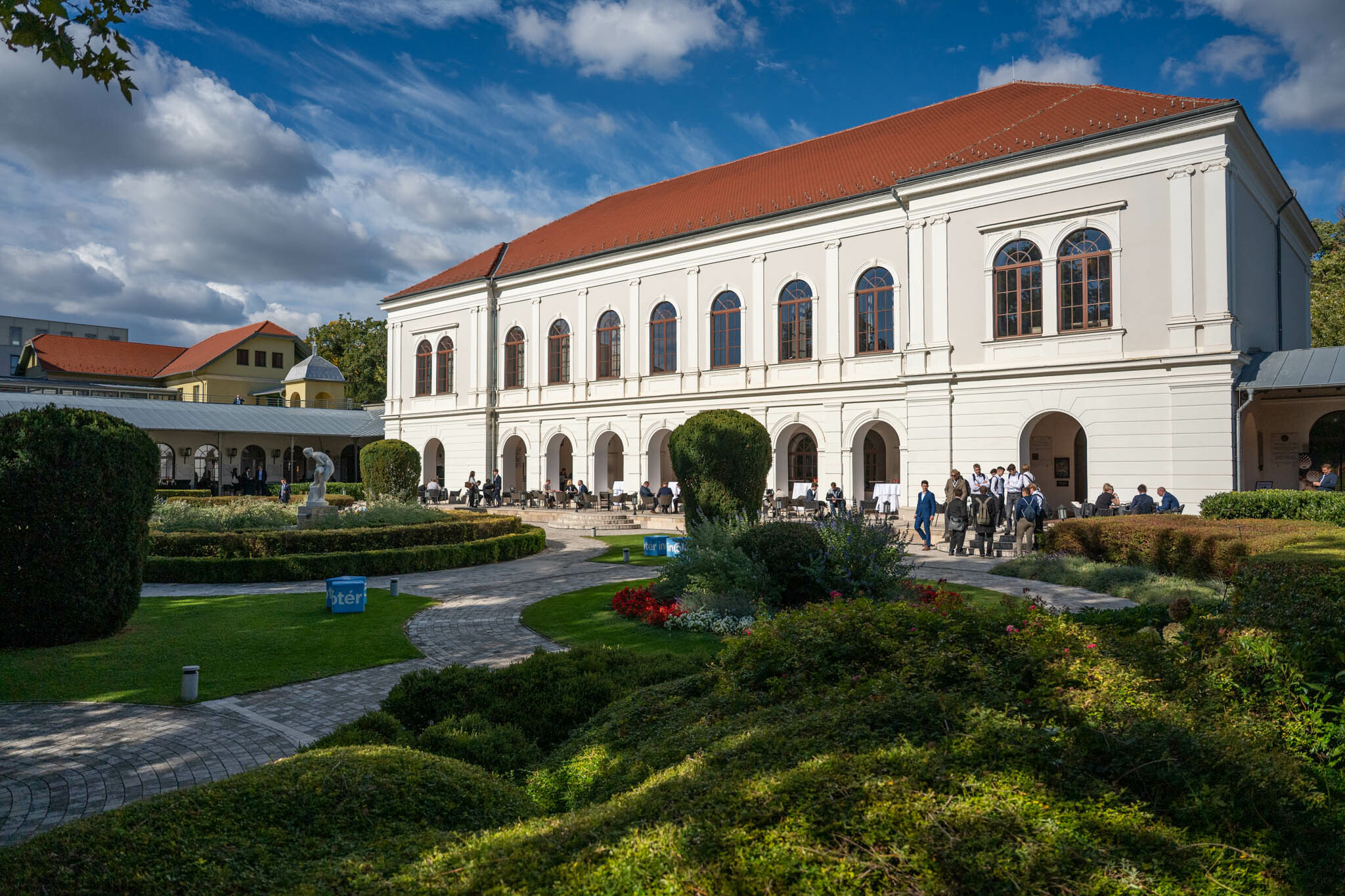
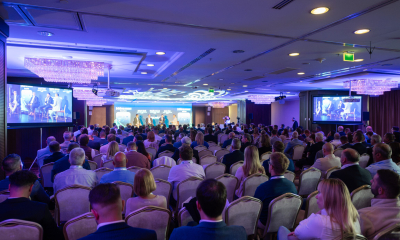
The reference to ‘one space’ in the title does not quite tell the whole story, as in fact three different information spaces were opened to professionals and members of the public on 13 October in Balatonfüred.
The Infotér, CONTECH and CEE Space & Defense Day communities met to discuss the technological developments, decisions and opportunities for collaboration that are likely to shape the development of their respective sectors in the coming years.
Whilst the Infotér programme focused on artificial intelligence, cyber security and trust in digital services, the CEE Space & Defense Day programme centred on space and defence innovation,
The CONTECH course focuses primarily on the digitalisation of the construction industry, whilst the BIM course focuses on data-driven design and competitiveness.
The programme for CONTECH centred not only on technological issues but also on the next generation of professionals, the sustainable use of materials, the future of the built environment, and the role of artificial intelligence in design and construction. The presentations and round-table discussions provided an opportunity for representatives from construction companies, the design sector and the field of technological development to share their experiences with one another.
Representatives from the following companies, amongst others, took part in the professional programme:
- SZABADICS Group – Attila Soldos, Head of IT;
- Weinberg ’93 Építő Kft. – István Derczó, founder, owner and managing director;
- Merkbau Zrt. – Gergő Szakács, Head of the Design Department;
- Óbuda Group – Gábor Bazsali, Architectural Engineer, Revit Operational Strategy.
It’s not enough just to do a good job; you have to make it visible too
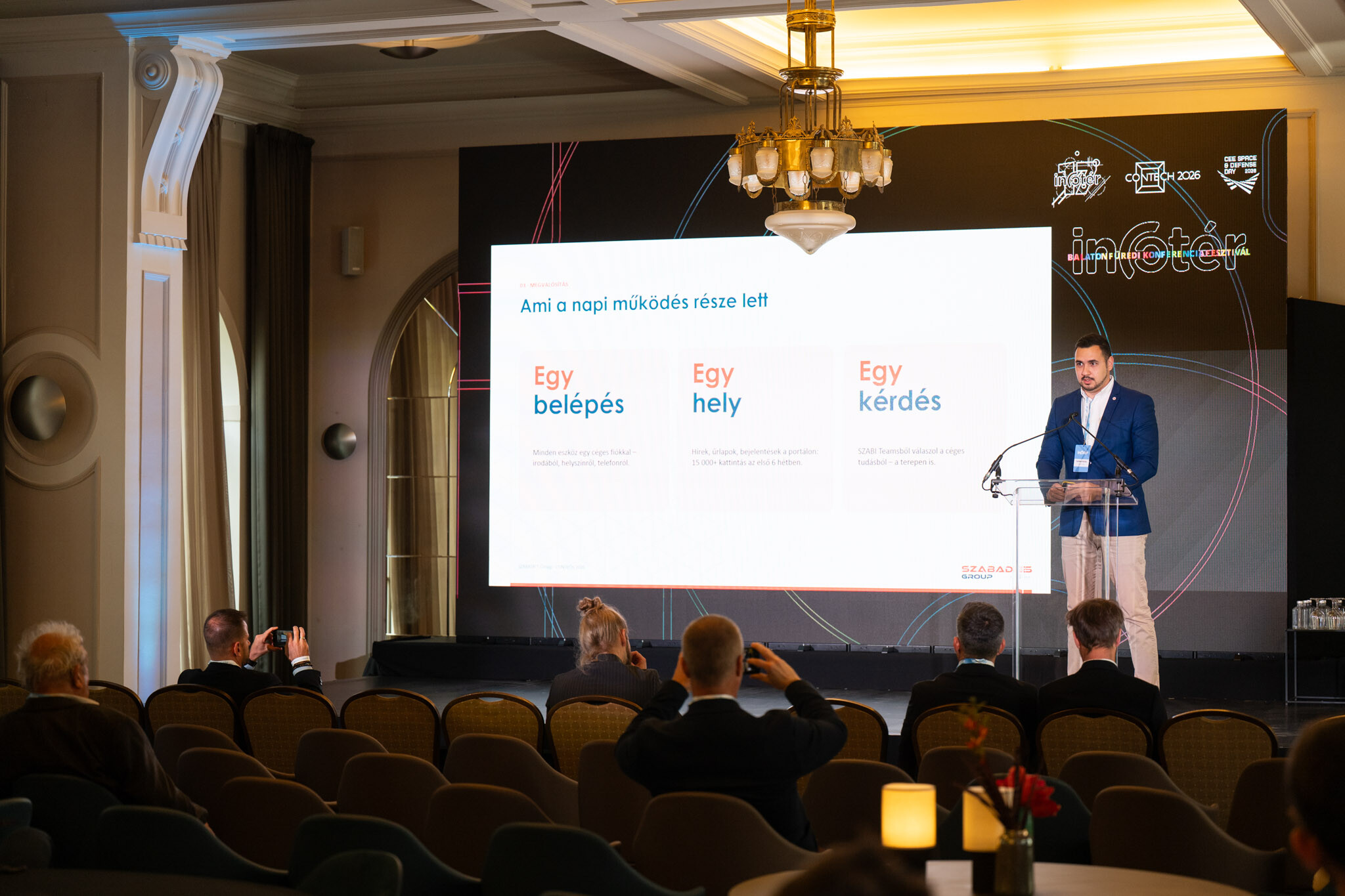
How can public trust in the construction industry be restored? Péter Kincses, Chair of the Media Section of ÉVOSZ, sought to answer this question in his presentation. In his view, improving the profession’s reputation cannot be achieved through a single successful communication campaign. Instead, long-term, credible and consistent efforts are required from all stakeholders in the sector.
Public perception of the construction industry is, in fact, significantly influenced by negative news stories. These days, bankruptcies, scandals and cases of suspected corruption linked to the construction industry are very much part of public discourse, and these can easily shape the way society views the sector as a whole. Meanwhile, the professional work taking place behind the scenes, technological developments, innovations and the performance of the specialists involved in implementing projects may receive far less attention.

Where and how should you communicate?
One of the keys to building trust is for the construction industry not to leave it to others to tell its own story. Companies and professional organisations must play a more active role in shaping public discourse and explain, in plain language, the value they create.
In his presentation, he outlined a three-tiered approach to communication.
- Use of our own media platforms:
Companies would do well to consciously build their own communication channels, such as their social media platforms. Through these, they can directly showcase their projects, work processes, the technologies they use and the professionals behind the results.
- Coverage in the trade press:
The specialist press can play an important role in ensuring that information on investments, technical solutions and innovations reaches interested parties in greater detail, whilst also highlighting the technical context.
- Conscious engagement with the wider public:
The third level is the mainstream media. The construction industry should also strive to establish a credible presence in this area, so that its professional achievements and important issues affecting the sector reach a wider audience. This requires information that is easy to understand and verifiable, as well as a conscious collaboration with the media.
Let’s not just show the sunny side
However, communication must not be limited to simply announcing completed projects. According to Péter Kincses’s approach, regularly highlighting key project milestones can help the public gain a more comprehensive understanding of the complexity of the construction work and the value of the work carried out.
The aim is not to gloss over the difficulties, but to ensure that both successes and problems are presented in the right context.
Maintaining the credibility of communication is a fundamental requirement. The speaker emphasised the importance of content that is verified, professionally sound and legally well-considered. Information that is published regularly and can be retrieved at a later date can, in fact, reduce the likelihood of misunderstandings and provide a reliable basis for dialogue within the profession.
Reaching out to young people is also part of building trust
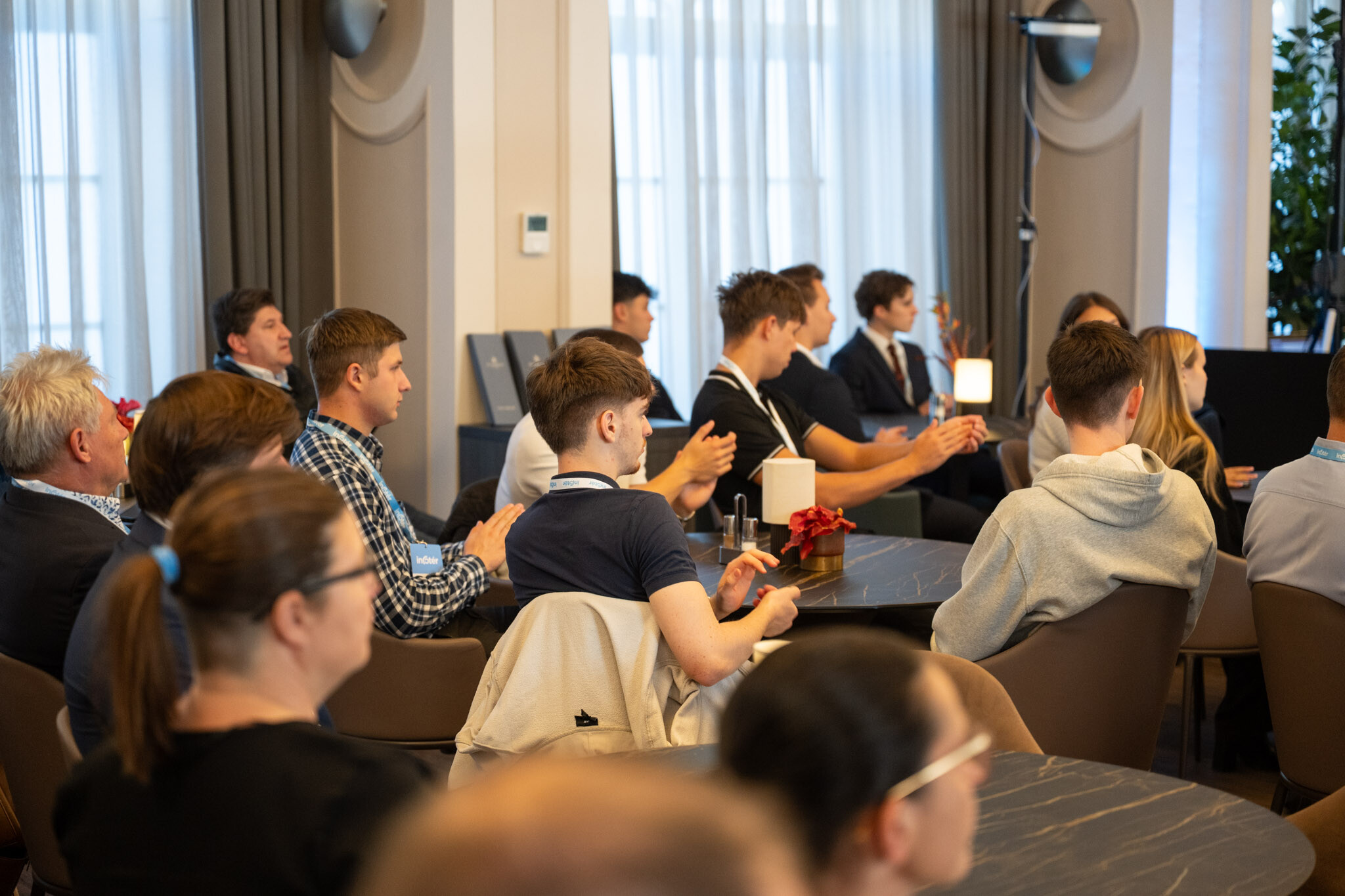
The public perception of the construction industry and the issue of recruiting new skilled workers are closely linked. If young people are presented solely with an outdated or negative image of the sector, they are less likely to recognise the opportunities offered by modern technologies, digital solutions and a wide range of professional roles.
For this reason, programmes that provide an up-close look at how the profession works, the opportunity to gain practical experience, and collaboration with the academic community can all be important tools. It is worth showing young people not only what kinds of buildings and infrastructure are being created, but also what knowledge, digital tools and teamwork are required to bring them to fruition.
Source: Link







A space brimming with information and encounters – that’s what the Infotér CONTECH was like

As efficiently as possible and at the lowest possible prices! – an interview with Dávid Vitézy

Csepel’s main crossing is to be modernised – a contractor is being sought for the refurbishment of Kvassay híd

The new portal structure on the M1 was installed in the pouring rain

Four new bridges to be built in the heart of the former industrial city

Rain gardens are coming to Budafok, with over 3,000 square metres of green space set to be developed

Contemporary art deco in Csopakon

Safer driving on the motorways: new digital signs for the MKIF
-

 Energy 2026. 09. 01.
Wind energy tenders are now open; technical compliance alone is not enough
-
What is being built? 2026. 09. 01.
There is good news regarding the Láng Negyed project – the investor has spoken out
-
Climate-X 2026. 09. 01.
A major US investment is boosting energy investment in Romania
-
Bound track 2026. 09. 01.
The SWIETELSKY Vasúttechnika Kft. has been declared the winner in two railway development projects