Bound track
The new section of the Buda interconnecting tram network could be built in three construction phases
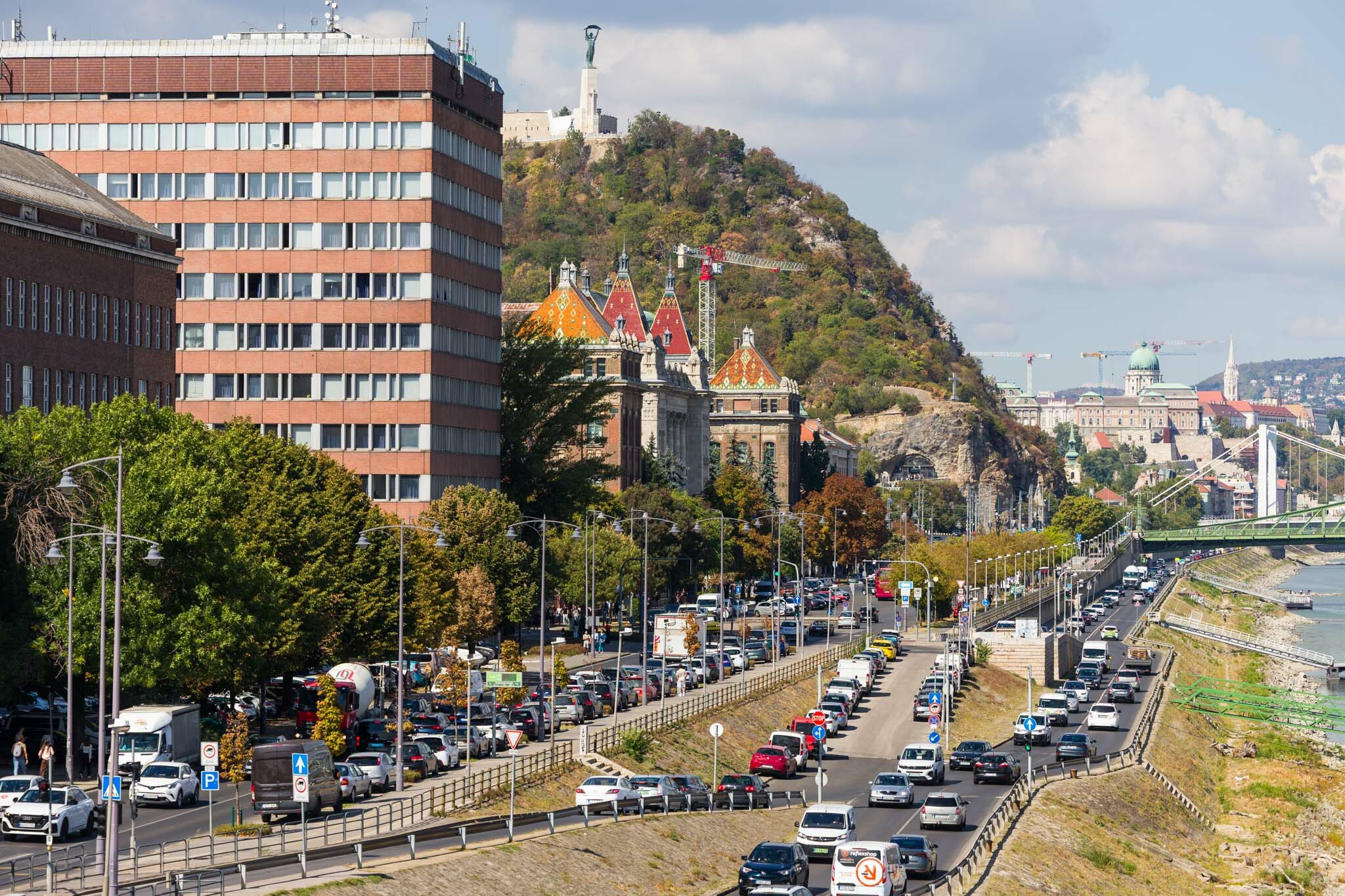
Construction of phase Budai fonódó villamos II. phase is expected to begin in November 2026. The new, approximately 2.8-kilometre-long double-track tram line between Szent Gellért Square and the area around Budafoki út–Dombóvári út will improve public transport links in South Buda, serve the rapidly developing districts along the Danube, and provide faster and more convenient access to the university quarter, the Infopark and BudaPart districts, and the Kopaszi-gát area.
The project is being managed by Közlekedési és Beruházási Minisztérium in collaboration with Budapesti Közlekedési Központ. Work on relocating utility services is expected to begin as early as November, whilst construction of the tram tracks could start next year, with the SWIETELSKY Magyarország Kft. and the SWIETELSKY Vasúttechnika Kft..
This complex, multi-year project involves coordinated transport management, utility works and structural engineering tasks on the Buda side of the Danube and will result in significant traffic restrictions.
Preparations for the project are currently underway: the plans drawn up in 2022 are being updated and expired building permits are being renewed – we have learnt from experts at the construction companies.
Work is set to begin on the Pázmány Péter Promenade
The implementation of the project’s entire route has been divided into three main organisational phases:
- the Péter Pázmány Promenade,
- the area in front of the University of Technology and the relevant lower embankment, as well as
- Developments on Dombóvári Road.
The first site for the works will be the Pázmány Péter Promenade. The works area stretches from the southern slip road at the Buda end of the Petőfi Bridge to the northern slip road at the Rákóczi Bridge; in essence, it affects the section of the Danube embankment between the university campus and the Infopark building.
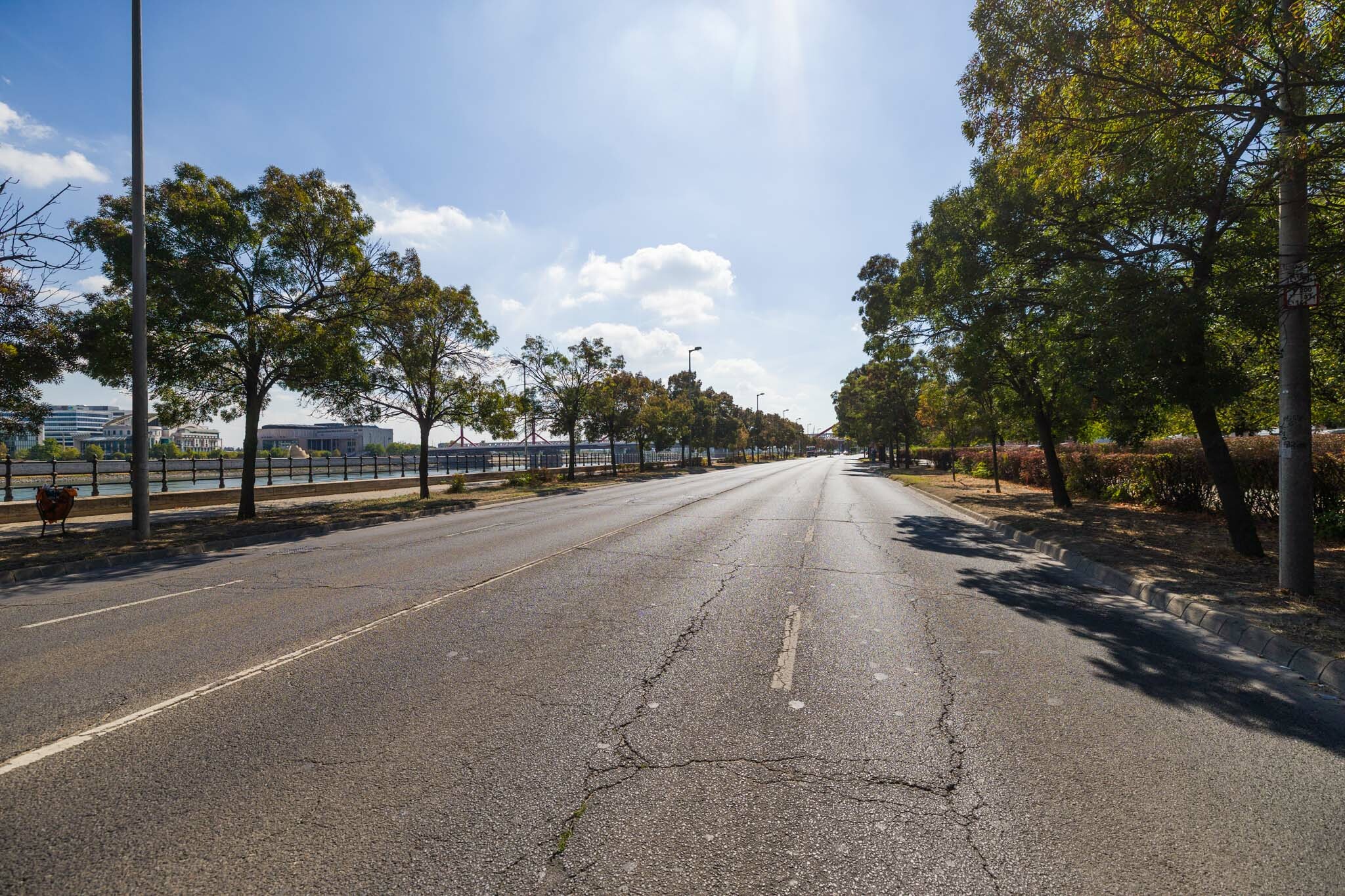
Work on relocating utility services will begin first, and traffic restrictions are to be expected even at this stage. Initially, traffic will be maintained in one lane in each direction; then, from spring 2027, the promenade will need to be completely closed. According to the current schedule, work on this section is expected to last until autumn 2027. The aim is to ensure that, alongside the tram tracks, all associated technical elements for that phase are also completed.
A retaining wall and a quay wall are being built on the lower quay
Following the reopening of the Pázmány Péter Promenade to traffic, the reconstruction of the lower embankment is expected to begin next autumn – this phase of the work is also likely to take approximately one year.
The lower embankment section is one of the project’s most complex technical elements. As part of the works, a retaining wall approximately 400 metres long will be constructed, whilst the Danube embankment will also need to be realigned over a stretch of around 200 metres. This is because the lower quay widens towards the Danube riverbed, so the proper design of the traffic area also necessitates the reconstruction of the embankment.
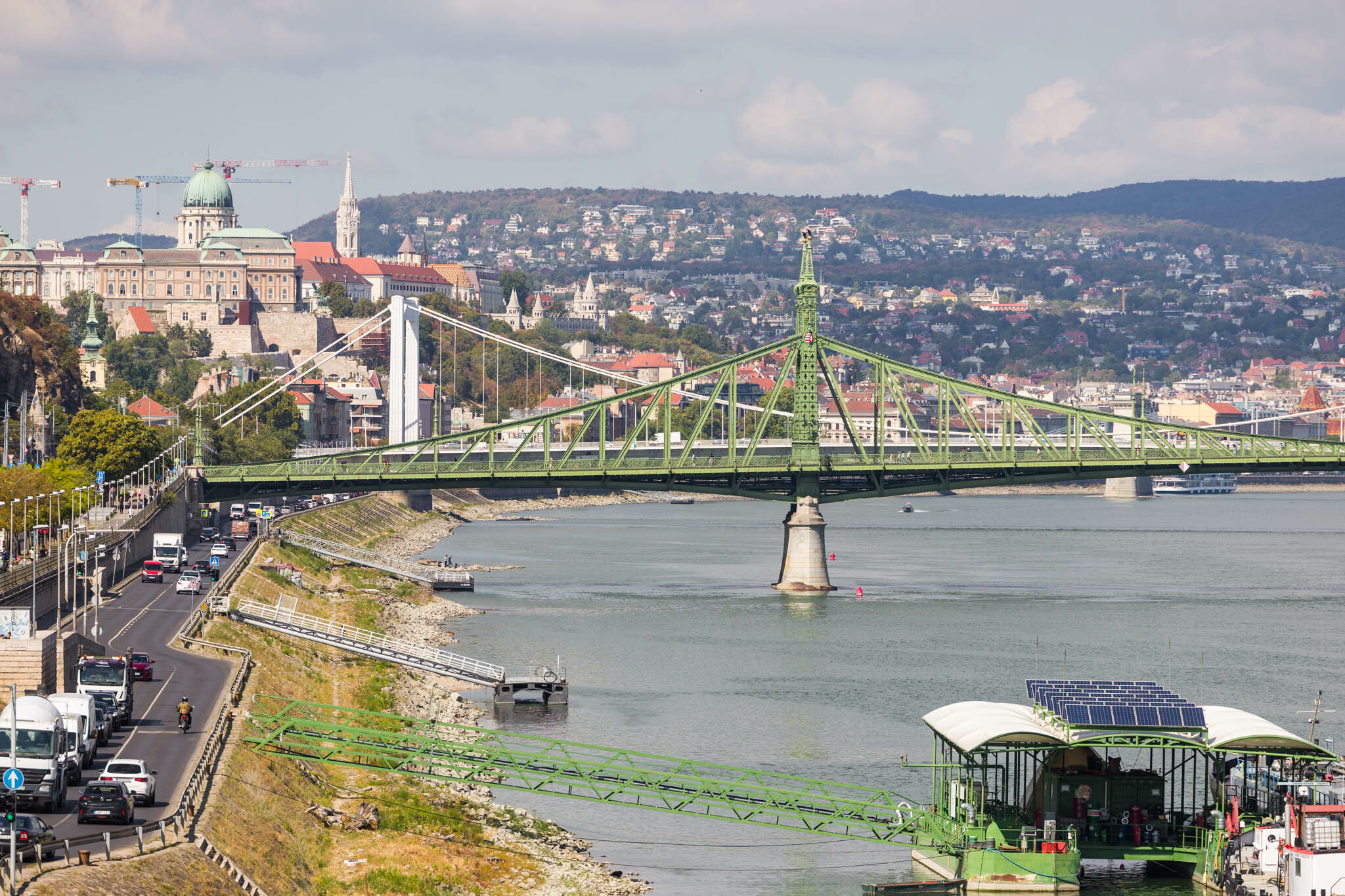
Work will begin with the complete closure of the lower quay between Rákóczi Bridge and Bertalan Lajos Street; for this reason, it will be particularly important to maintain traffic flow on the upper quay.
At the same time, work on replacing the utility networks in the area in front of the University of Technology can also begin.
The next full closure may be in front of the University of Technology
Once the reconstruction of the lower quay has been completed, work on the area in front of the University of Technology can proceed at a faster pace.
Initially, work on this section will also take place whilst traffic restrictions are in place, and a complete closure will be necessary at a later stage. This is conditional upon the reconstruction of the lower quay being completed and the restrictions being lifted; in this way, the reconstructed lower quay will be able to accommodate north–south traffic.
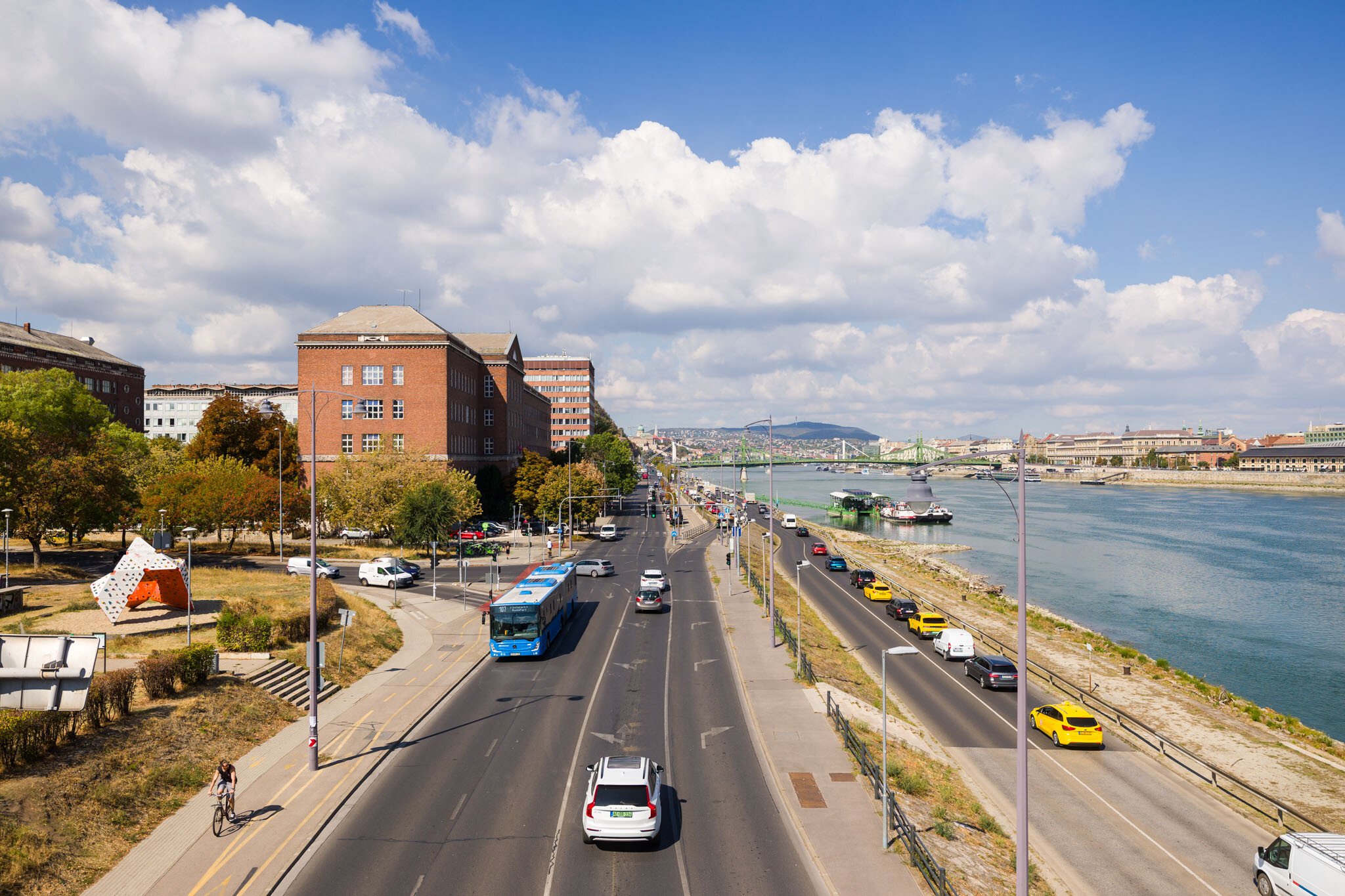
It is clear from the schedule for the project that the individual phases of the work are closely interlinked. A particular section can only be closed off once another part of the transport network is already able to take over some of the traffic.
Dombóvári Road presents a particular challenge
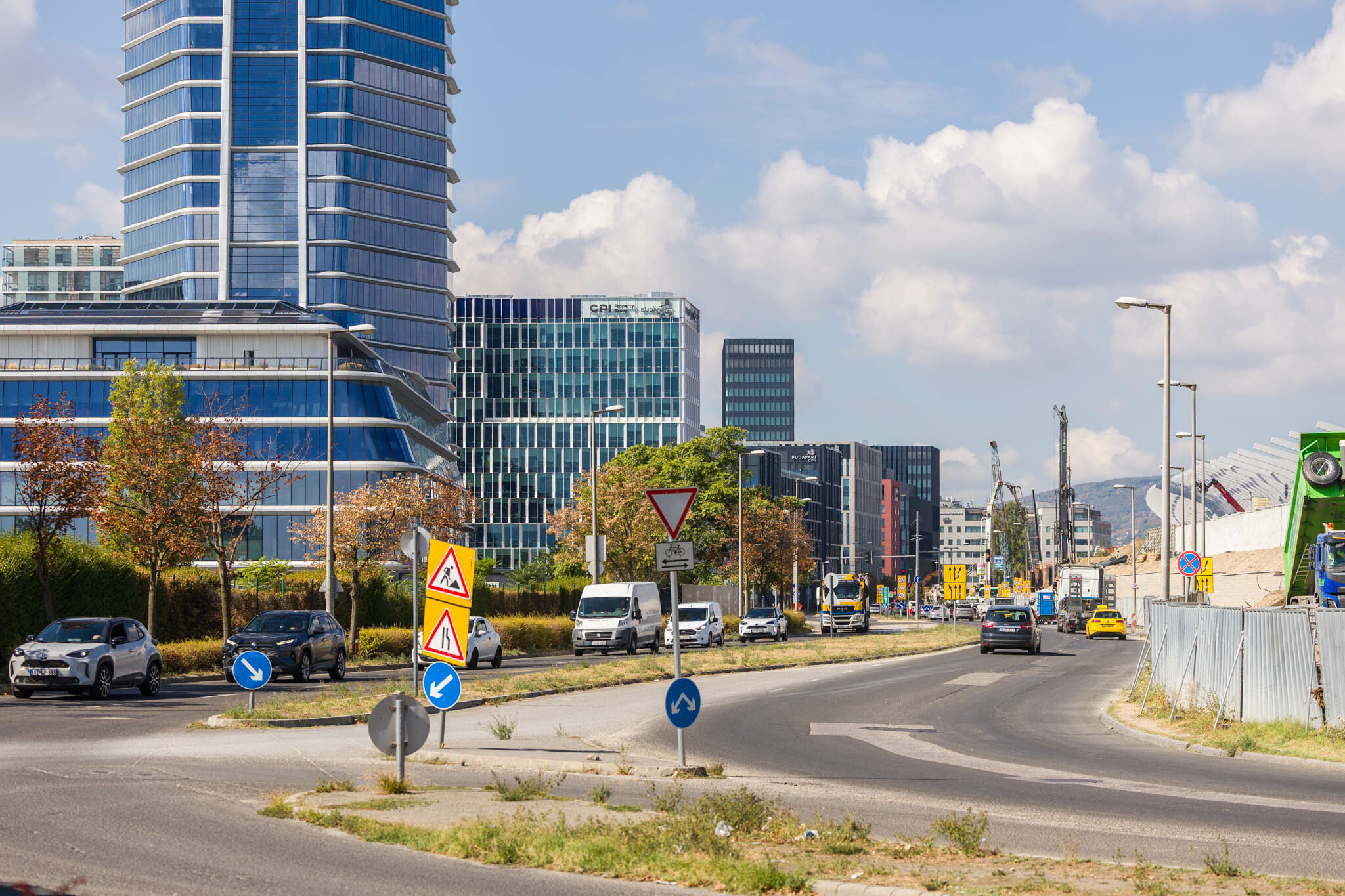
Another key area of the project is Dombóvári út, where the works will require a different approach. On this section, traffic must be maintained throughout the entire construction period; as a result, the works will be extended until the project is fully completed in October 2029. A further challenge is that the activities taking place here must also be co-ordinated with the construction of project Déli körvasút. Carrying out the two projects simultaneously places significant organisational and traffic management demands on the contractors.
This is where the intermodal connection with the Nádorkert stop will be established, as a new railway station is to be built, providing a direct connection between the existing No. 1 tram line and the new tram line to be constructed as part of Phase II of the Buda Interconnection project.
Seven pairs of accessible bus stops are to be built
A significant number of existing utility lines will need to be relocated along the approximately 2,800-metre route. This work will be a key factor in several phases of the project and will require specialist technical expertise, the contractor consortium told our newspaper.
The project involves complex construction work:
- On each section, not only the tram tracks but also the associated railway infrastructure are being constructed,
- along the entire length of the tram route, the road surfaces will be resurfaced and
- Seven new, accessible bus stops will be built.
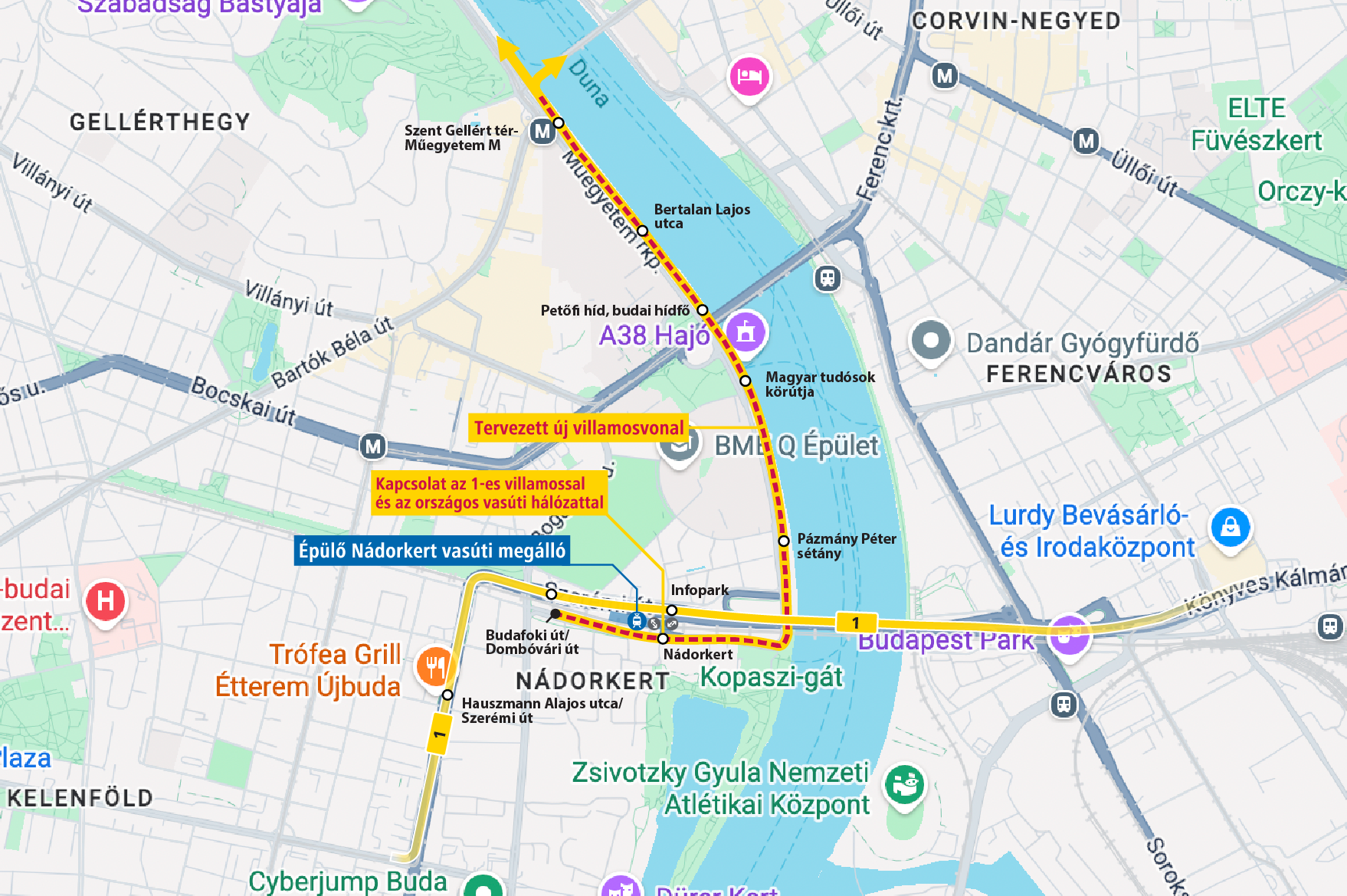
The planned stops, as shown on map BKK:
- St Gellért Square – Technical University M
- Lajos Bertalan Street
- Petőfi Bridge, Buda bridgehead
- A tour by Hungarian scientists
- Péter Pázmány Promenade
- Nádorkert railway station
- Budafoki Road / Dombóvári Road
As part of the development, the surrounding public spaces will also be refurbished. Grass-covered tracks will be laid on certain sections of the tram route, and new trees and shrubs will be planted. The square in front of Building K of the Budapest University of Technology and Economics will be redeveloped, a new riverside promenade and cycle path will be created along the Danube, and the transport and utility infrastructure will also be modernised.
According to the current timetable, work on the project is due to begin in November 2026 and is expected to be completed by the end of 2029.
Source: Link






One of Budapest’s oldest nurseries is being renovated whilst preserving its timber roof structure

Plans have been announced to modernise a further three railway stations on the southern shore of Lake Balaton

The new section of the Buda interconnecting tram network could be built in three construction phases

Déli railway station is set to undergo a major refurbishment, paving the way for double-decker trains

Four new bridges to be built in the heart of the former industrial city

Rain gardens are coming to Budafok, with over 3,000 square metres of green space set to be developed

Contemporary art deco in Csopakon

Safer driving on the motorways: new digital signs for the MKIF
-

 Current at 2026. 08. 25.
Apples and pears: according to MKIF, no valid conclusions can be drawn about the operation of the M6 from technical parameters that are not comparable
-
Current at 2026. 08. 26.
Grab your tools – The large-scale workshow for builders and gardeners is about to begin
-
What is being built? 2026. 08. 25.
They haven’t skimped on the technical specifications: this is what the Insula Residential Park in Komárom will look like, featuring the Leier solutions
-
Industry news 2026. 08. 25.
The Duna Aszfalt redeems the bonds issued under the GED Africa project