
Road building
The first concrete component of the construction industry’s ‘Apollo programme’ at the bottom of the sea

Europe’s largest current infrastructure project has reached a milestone: on 6 May, the first of 89 concrete sections of the Fehmarnbelt Tunnel was placed on the seabed near Rødbyhavn – as reported on the project’s official website.
This construction project is to civil engineering what the Apollo programme was to space exploration: it demands the largest, heaviest and most precise of everything.
Given its scale, the project’s budget is, of course, enormous: around €7.1–7.4 billion (which is roughly 2,800–2,900 billion forints at current exchange rates).
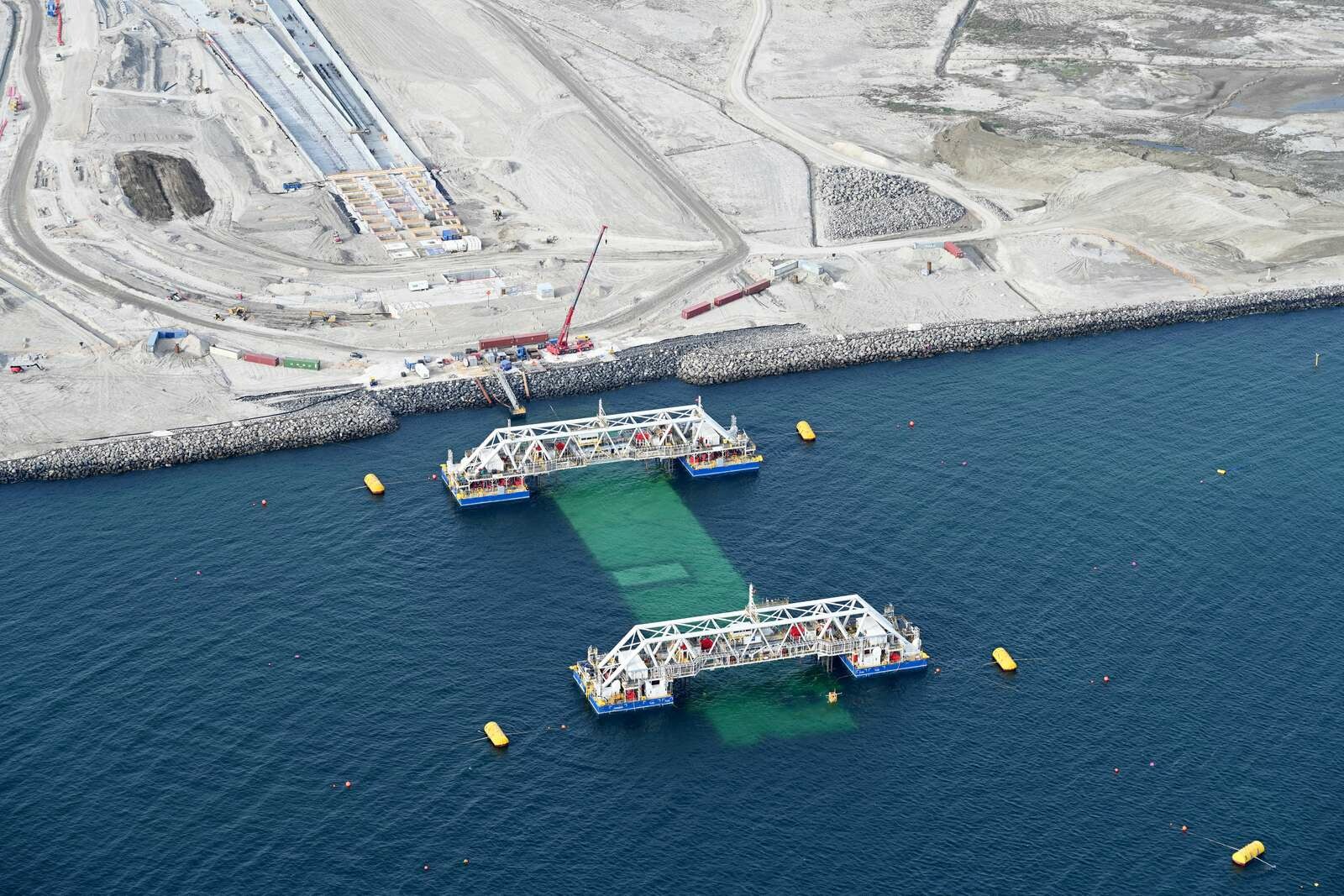
A historic event
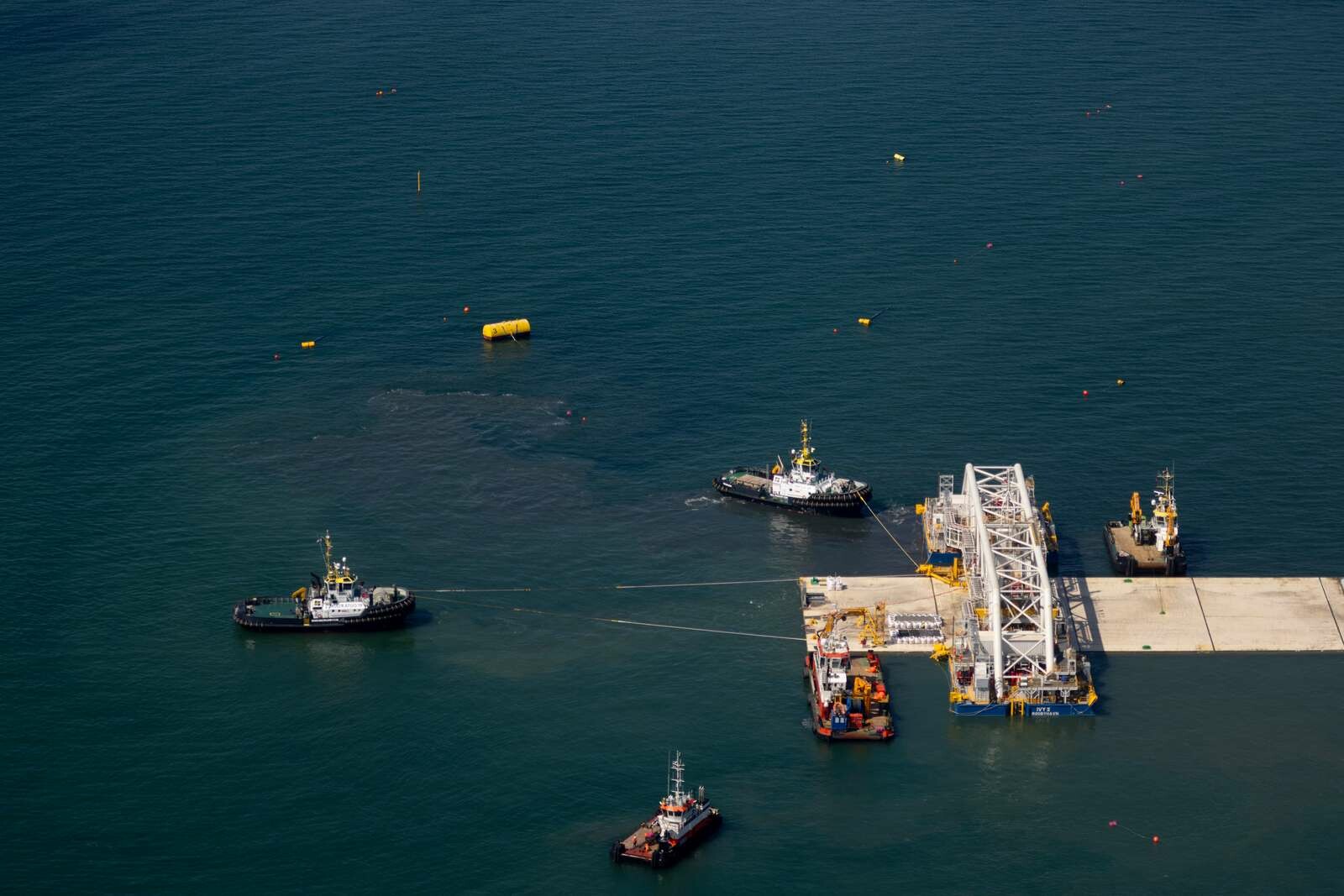
On 6 May, the first of the tunnel’s 89 concrete segments was transported from the tunnel factory in Rødbyhavn to the launching site off the Danish coast by five tugboats and a special floating crane, the IVY.
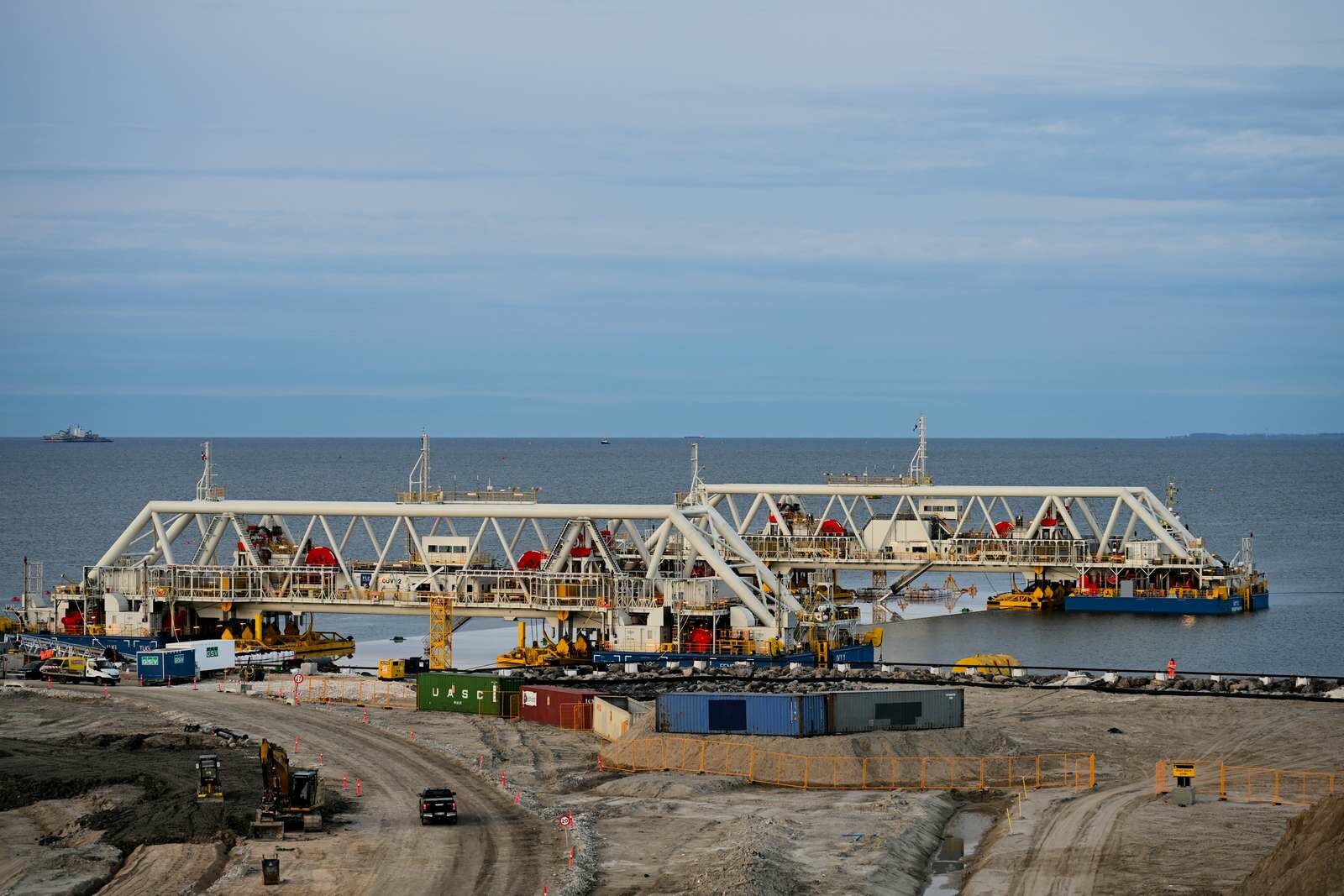
The element was then attached to the receiving structure using a hydraulic arm, and its final position was confirmed by precise laser measurements carried out through the tunnel. Once the two submersible pontoons, visible in the photo, had been towed back to the work port, they were replaced by another specialised device, which placed a large quantity of gravel along the sides of the segment. This ensures that the tunnel segment remains securely in place.
A total of approximately 360,000 tonnes of reinforcing steel will be used for the entire 18-kilometre section.
By far the largest
In terms of length, the longest immersed tunnel currently in existence is part of the Hong Kong–Zhuhai–Macau Bridge, which is 6.7 kilometres long; in terms of technology, it is comparable to the Øresund Tunnel in Denmark (which links Copenhagen and Malmö). It is nearly 4 kilometres long and has so far been considered the most complex combined (road and rail) immersed tunnel.
These will be far surpassed by the Fehmarnbelt, which will be the first project in the world to use mass-produced tunnel segments of this size. The standard segments are massive, hollow concrete structures, 217 metres long and weighing over 73,500 tonnes. The internal structure of the segments divides them into five chambers: two for the motorway, two for the railway and one for technical installations.
A dedicated panel factory has been set up on site to manufacture the tunnel segments, where welding robots assemble the huge steel lattice structures before they are placed within the formwork for concrete pouring.
It lasts for years, but is meant to last for centuries
Over the coming years, the remaining 88 modules will be submerged one by one and connected to the others in a trench dug on the seabed, at depths of up to 40 metres.
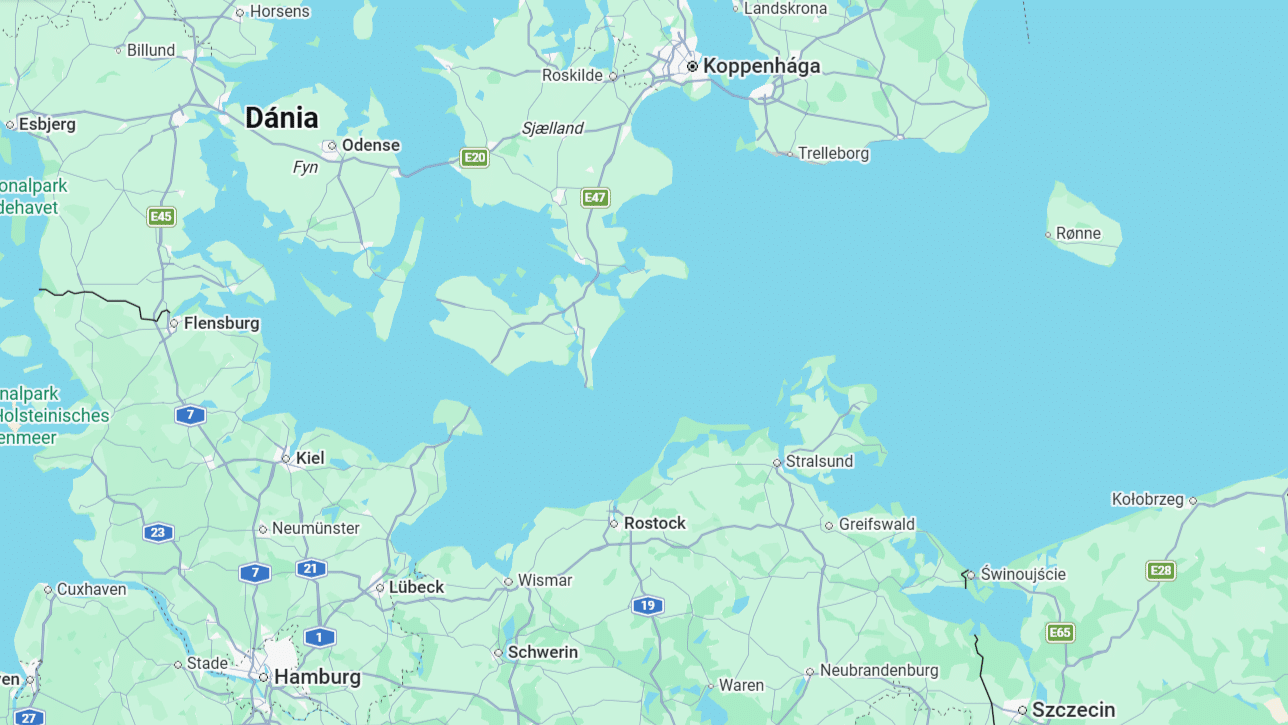
The project will bring enormous economic benefits: once the tunnel is completed, it will be possible to cross the strait in 10 minutes by car and 7 minutes by train, whereas the current ferry crossing takes 45 minutes. It will also reduce the journey time between Copenhagen and Hamburg from 5 hours to just 2.5 hours.
Source: Link



Last-minute preparations before handover – This is how the refurbishment of the Flórián Square flyover came to an end

The 25,000-square-metre training centre at the Ludovika Campus, complete with a fire station and halls of residence, has been completed

A 184-kilometre road, a 362-metre bridge – A close-up look at road construction in Africa

A new co-CEO has joined KÉSZ Csoporth

Rain gardens are coming to Budafok, with over 3,000 square metres of green space set to be developed

Contemporary art deco in Csopakon

Four new bridges to be built in the heart of the former industrial city

Hungary's biggest motorway upgrading programme is underway
-

 What is being built? 2026. 07. 27.
Construction of Phase VIII of the Somfa Liget residential estate is underway using hybrid construction methods, prefabricated elements and the LEAN organisation model
-
Water management 2026. 07. 27.
Szeged is getting rid of its asbestos-cement and cast-iron pipes
-
What is being built? 2026. 08. 06.
Paks II.: What does the new milestone for Unit 5 mean in the context of the review?
-
Road building 2026. 08. 05.
The main road leading to a key tourist destination in Bihar is being upgraded using cold recycling technology


