Water management
ESG is now a business issue for suppliers in the construction industry too

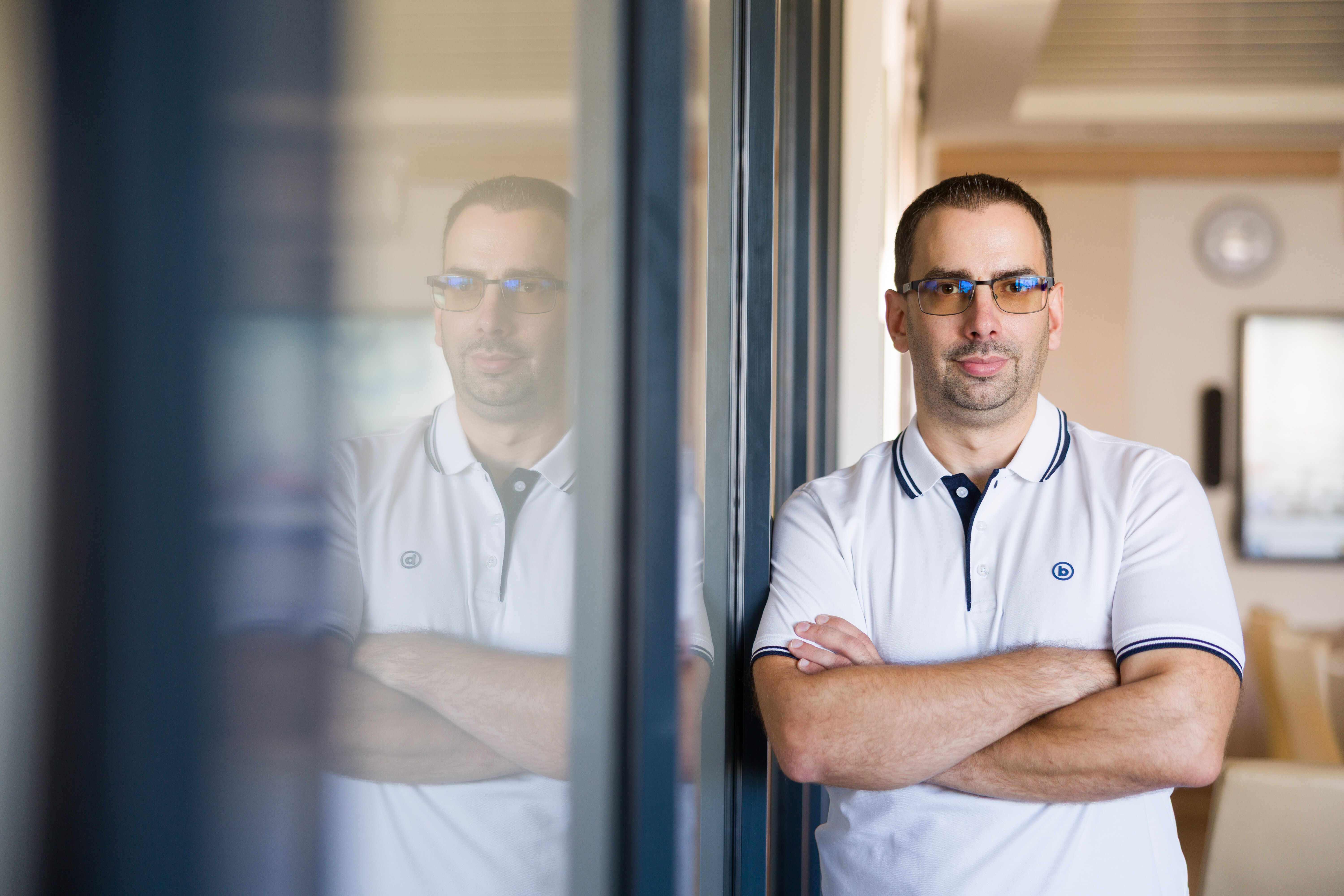
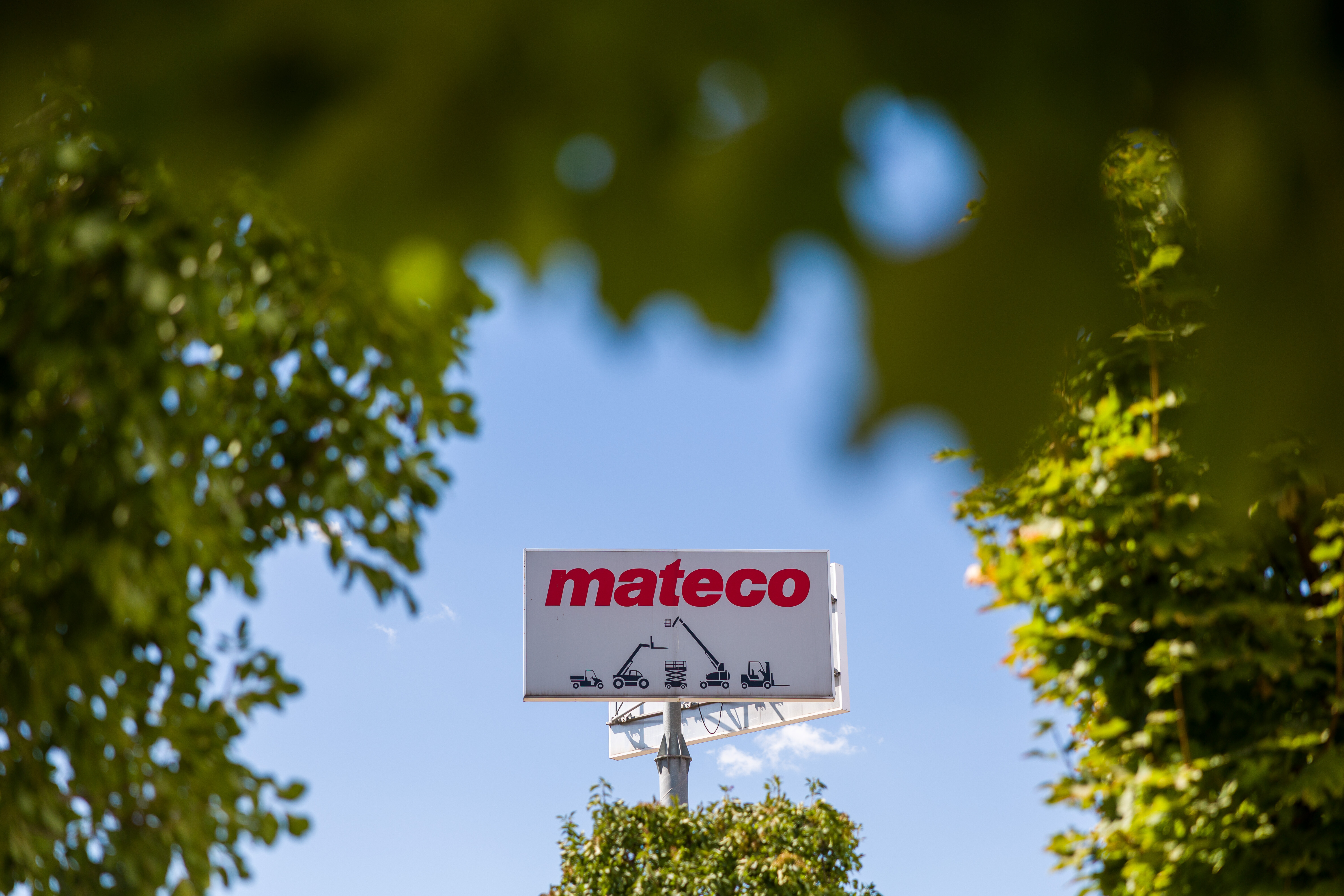
„Anyone who views ESG solely as yet another administrative burden is, in my opinion, missing the point.” – says Tamás Labancz, Chief Operating Officer of Mateco-Hungary Kft.
Administration accounts for a significant part of the process. Data must be collected, processes documented and areas of responsibility defined. It may be difficult to know where to start at the beginning. But it is worth the effort, because once the organisation has been structured according to ESG criteria, it will become crystal clear how the company actually operates.
The new expectations are also affecting the machinery hire market
Machinery hire is a thoroughly practical business. Is there a suitable machine available? Is it available when you need it? Is it reliable? Are the price and service up to standard? These remain the fundamental considerations even today.
The ESG requirements that feature in the operations of large corporations and main contractors will, sooner or later, trickle down the supply chain. Through supplier questionnaires, due diligence processes, tenders and requests for information from partners, even businesses for which ESG reporting is not a direct obligation are being drawn into the world of ESG.
And that, then, is a business matter.
„For a long time, the key factors in the equipment hire sector were primarily the machinery itself, availability, service and price. These remain crucial today. However, it is becoming increasingly important for a company to have access to relevant information about its own operations.”
The question is no longer just about who ESG applies to, but also about what business impacts those who integrate this approach into their day-to-day operations can expect.
We’ve already done a lot of things. We just didn’t call it ESG.
When a company begins to review its own operations from the perspectives of E, S and G, it may well turn out that it is not starting from scratch. This was also the case with Mateco.
„One of our key realisations was that we already have a number of measures and processes in place that can be interpreted within the ESG framework today. We didn’t have to figure out how to become a more sustainable company overnight. Rather, we need to consider what we are already doing, what results this is yielding, and what aspects of this we can make measurable.”
Environmental page: not just a single „green project”
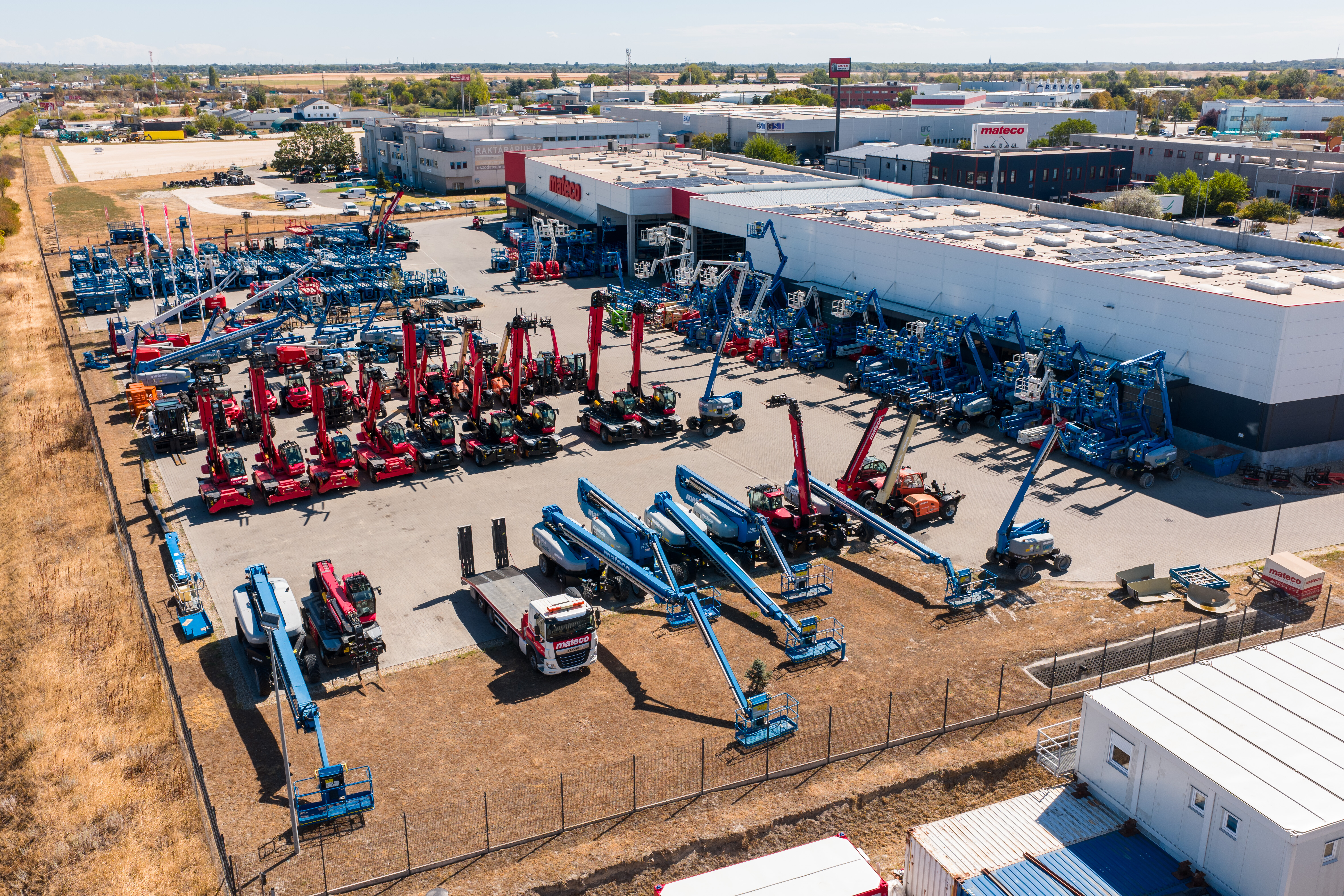
Several initiatives aimed at reducing energy and resource consumption are in place at Mateco’s sites.
Solar panels, a heat pump system, energy-efficient lighting and motion-sensor lighting help to reduce energy consumption. Green spaces are maintained at the sites in proportion to the available area, and the company also pays attention, year on year, to the protection of the birds that nest there.
However, from the perspective of Mateco’s core business, the technological composition of the hire fleet is even more important than this.
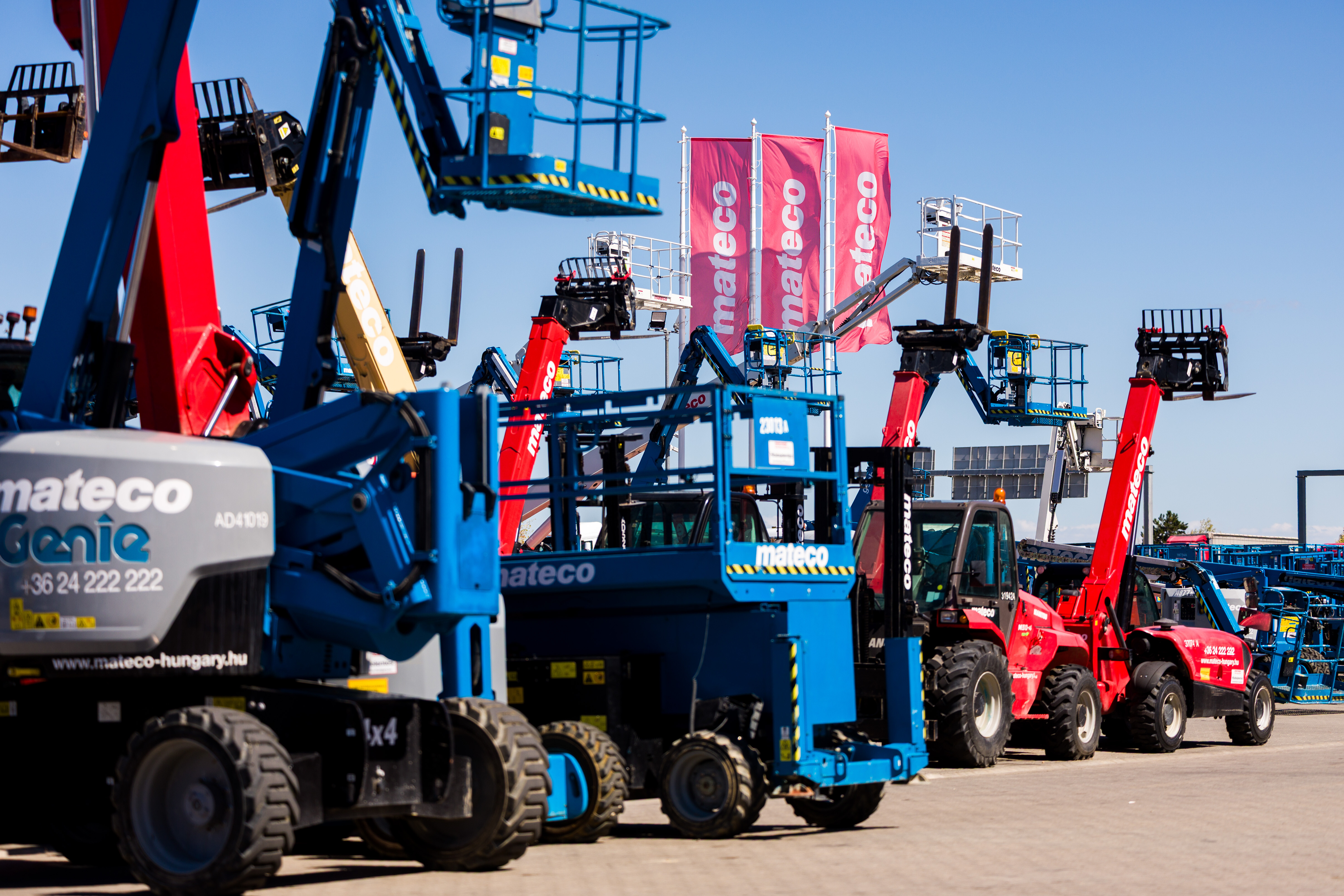
Increasing the proportion of electric machines – and, within this category, those powered by lithium-ion batteries – directly reflects this technological change in the company’s services.

The digitisation of administration also reduces material consumption in another area. The necessary documentation for the machines is available digitally via QR codes, and when a machine is sold, the document pack – which used to be printed out as 80–90 pages – now fits onto a USB stick of just 2 GB. Thanks to this decision, we save a great many kilograms of paper every year. It is a small change, but with so many machines, these small changes add up.
S doesn’t start with corporate events
When considering the corporate interpretation of the social pillar, it goes without saying that employee programmes are the first thing that springs to mind. More importantly, however, in a company where the majority of staff work amongst large machines day in, day out, health and safety at work must be the employer’s top priority.
In addition to providing suitable workwear and personal protective equipment, regular training sessions help to ensure safe working practices, particularly in the service area.
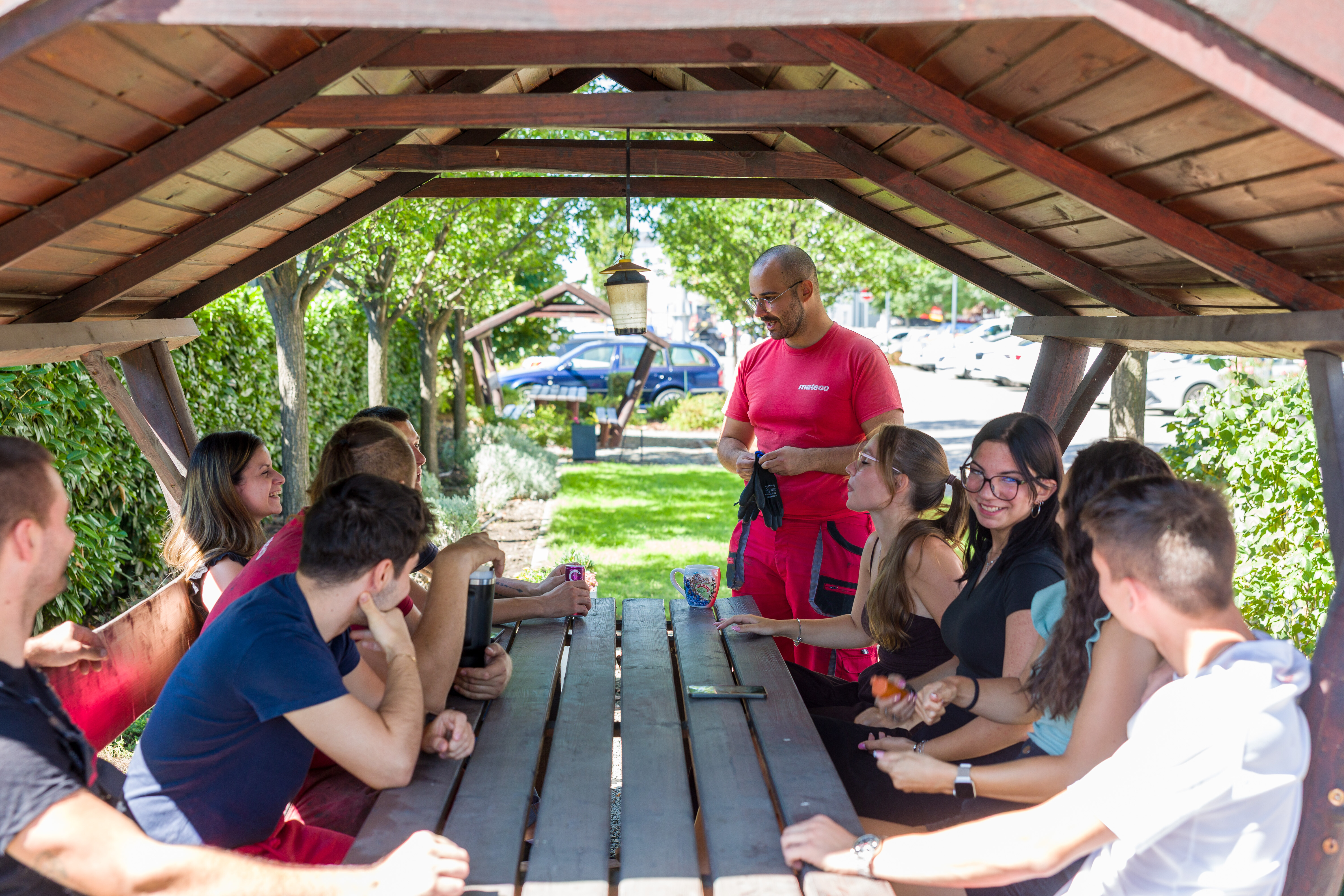
Professional development is also linked to this. Staff working in the offices can take part in training courses funded by grant schemes, whilst colleagues working in the service department can deepen their knowledge of machinery and their professional expertise through manufacturer-led training courses – for example, with the involvement of specialists from Manitou.
Youth development is also part of the bigger picture. At Mateco, several trainees have recently been taken on as permanent staff.
In addition to all this, social programmes and team-building activities are also part of company life. However, these complement rather than replace the foundations of employee wellbeing: a safe working environment, opportunities for development and job security.
G is the least spectacular – yet the system stands or falls on it
There are generally fewer striking photos taken of the corporate governance pillar. Yet it is here that it is determined just how well-regulated, transparent and accountable a company’s operations are.
At Mateco, the quality management system in accordance with ISO 9001, risk management and supplier assessment already form an important foundation for this.
At the same time, preparing for ESG provides an opportunity for the company to review its operations in this area in detail and to continuously adapt them.
The aim isn’t to slap the ESG label on everything
Perhaps this is the most important lesson of all. Solar panels should not be installed simply because of ESG. Service technicians should not be provided with appropriate health and safety equipment and training simply because a sustainability framework requires it. Nor is it worth consistently assessing suppliers simply because the data might one day be needed for a report. These measures have intrinsic operational value in their own right.
ESG changes the situation by examining these corporate practices – which may appear to be unrelated – within a single framework.
„It’s very useful and good to see where we stand, what’s working well, what we still need to improve, and how we can present all this with increasing accuracy.”
Players in the construction industry are talking about these issues more and more in every possible forum – what each company stands for and offers is no longer an internal matter. ESG considerations are also emerging as increasingly important factors in decision-making within the supply chain.
One thing that hasn’t changed is that we must provide the right machine at the right time, with a reliable service.
But the corporate philosophy behind the service is also becoming increasingly important.
Source: Link










The town centre on the banks of the Tisza is being regenerated

The Market has fulfilled its promise: it has delivered the 10,000 tonnes of natural stone offered for the raising of the bottom sill at Paks

The construction industry is both vast and marvellous – the Duna Group Szabadegyetem has been launched

ESG is now a business issue for suppliers in the construction industry too

Rain gardens are coming to Budafok, with over 3,000 square metres of green space set to be developed

Contemporary art deco in Csopakon

Four new bridges to be built in the heart of the former industrial city

Safer driving on the motorways: new digital signs for the MKIF
-

 Industry news 2026. 08. 18.
Students were introduced to the high-tech construction industry at BME’s field camp in Göd
-
Bound track 2026. 08. 17.
New pedestrian crossings and a junction with traffic lights are being built in Angyalföld
-
What is being built? 2026. 08. 18.
Hungary’s new McDonald’s restaurant has moved into a modernist listed building in the centre of Budapest
-
What is being built? 2026. 08. 18.
New paving, a playground and visitor facilities are being planned for the Várkör area in Pannonhalma