Climate-X
A potential solution to the energy crisis in Austria has been found in a power station operating inside a mountain

With the decline of fossil fuels and the intensification of climate change, the need to rethink our energy supply is becoming increasingly urgent. Tyrol’s goal is to meet its energy needs entirely from renewable sources by 2050, with hydropower playing a key role in this.
TIWAG, Tyrol’s largest energy supplier, based in Innsbruck, plays a key role in this vision. The company has been building and operating hydroelectric power stations for nearly a century, and is still working today to make its existing systems even more efficient and flexible. One of its most ambitious projects is the expansion in the Kühtai region, which is covered by Index.
Water as a „giant battery”
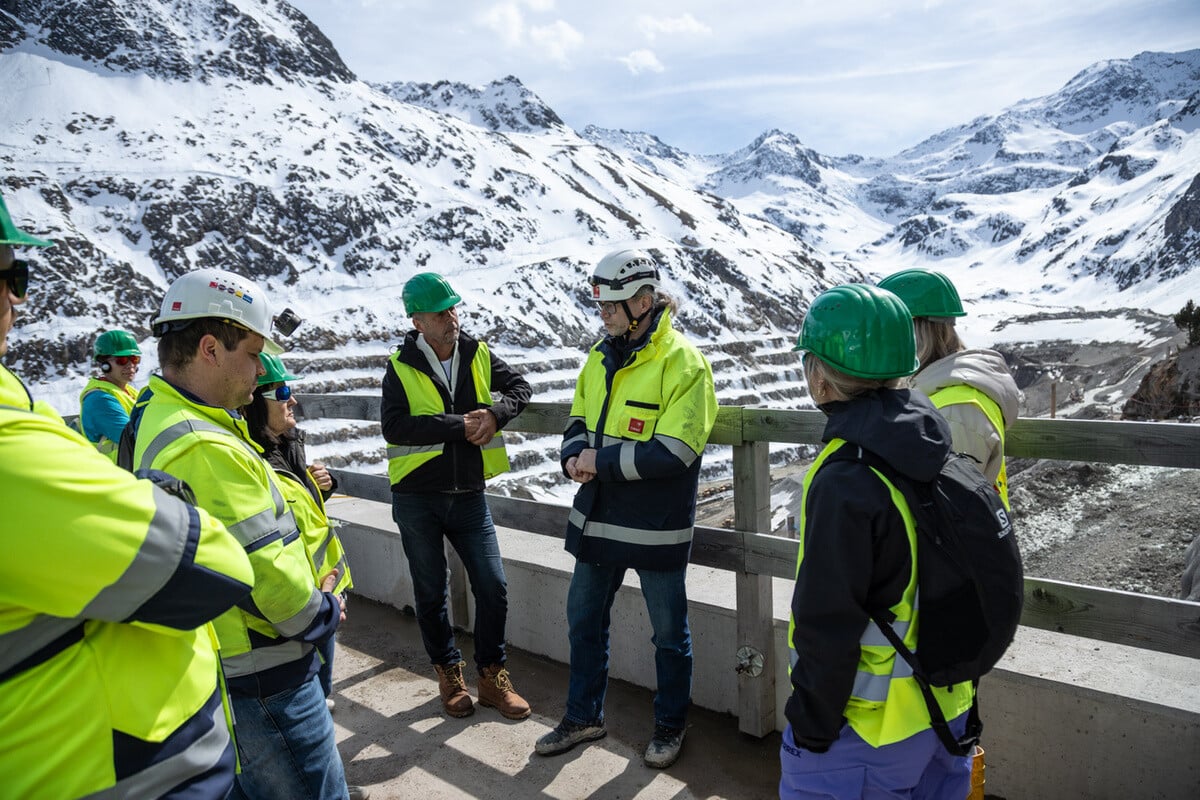
The system is based on the Sellrain–Silz pumped-storage power station, which is currently being expanded. The development includes a new reservoir, an underground power station (Kühtai 2) and a tunnel system stretching over 25 kilometres.
The essence of the technology is that it uses the movement of water to store energy: when energy demand is low, water is pumped uphill, and during peak periods it is released downhill, thereby generating electricity. This solution responds quickly to the grid’s needs, which is particularly important given the fluctuations in solar and wind energy.
Engineering excellence
Precise control and energy distribution are key to the system’s operation. Siemens is also responsible for sustainable ski slope technology in Sölden, supplying frequency converters, control systems and power distribution solutions for the project.
The solution is based on SIMATIC S7-1500 controllers and SINAMICS S120 frequency converters, whilst power distribution is handled by SIVACON S8 low-voltage switchgear. Together, these ensure that the system responds quickly, safely and efficiently to the demands of the network.
The water intake tunnel forming part of the system is 25.5 kilometres long and connects six different catchment areas to the system. However, water use is strictly regulated; the volume of water discharged always remains within ecologically acceptable limits, and no water is abstracted at all during the winter.
The expansion will feed 216 million kilowatt-hours of renewable energy into the grid each year, whilst also boosting the efficiency of the existing system by a further 15 million kilowatt-hours annually. This will prevent approximately 127,000 tonnes of carbon dioxide emissions each year.
The balance between the environment and the economy
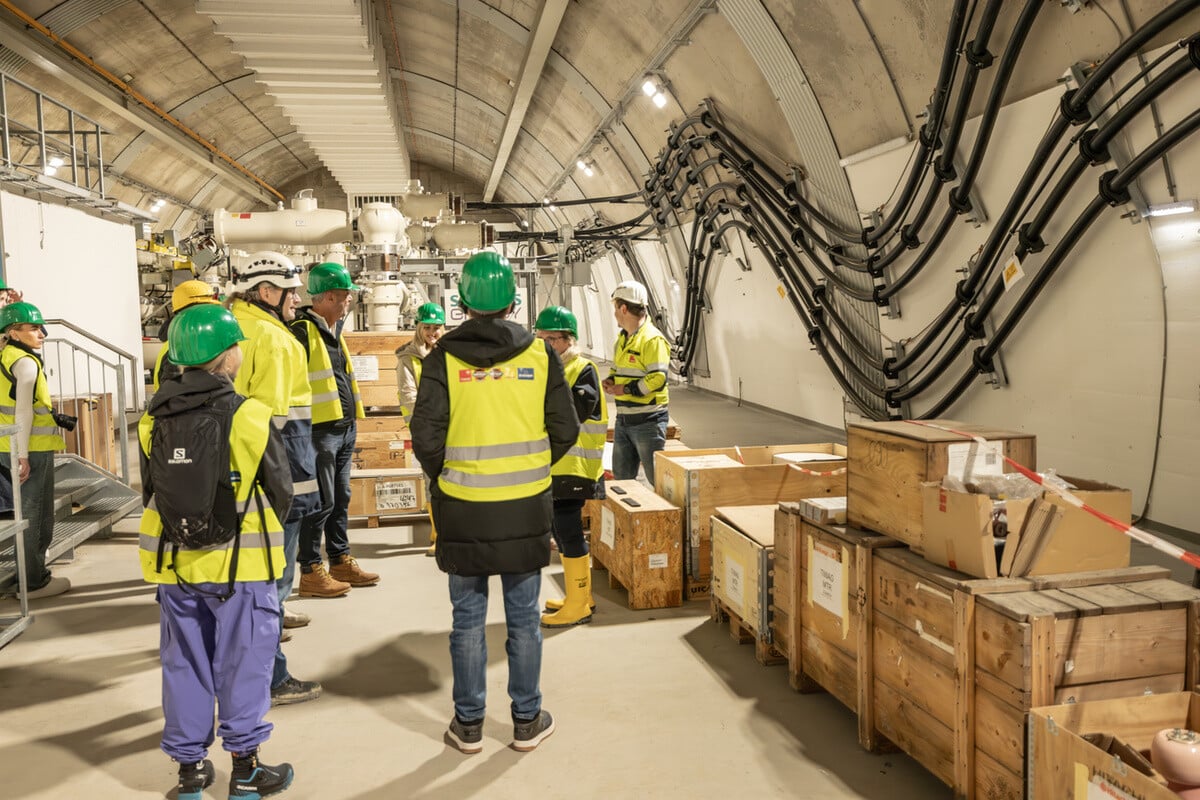
A project of this kind naturally has an impact on the environment, but a number of measures are being taken to minimise this. These include river restoration, the creation of new habitats and the protection of ecosystems. The project is also significant from an economic perspective: it creates jobs, boosts the local economy and contributes to the achievement of Austrian and European energy targets.
The future of energy is already here
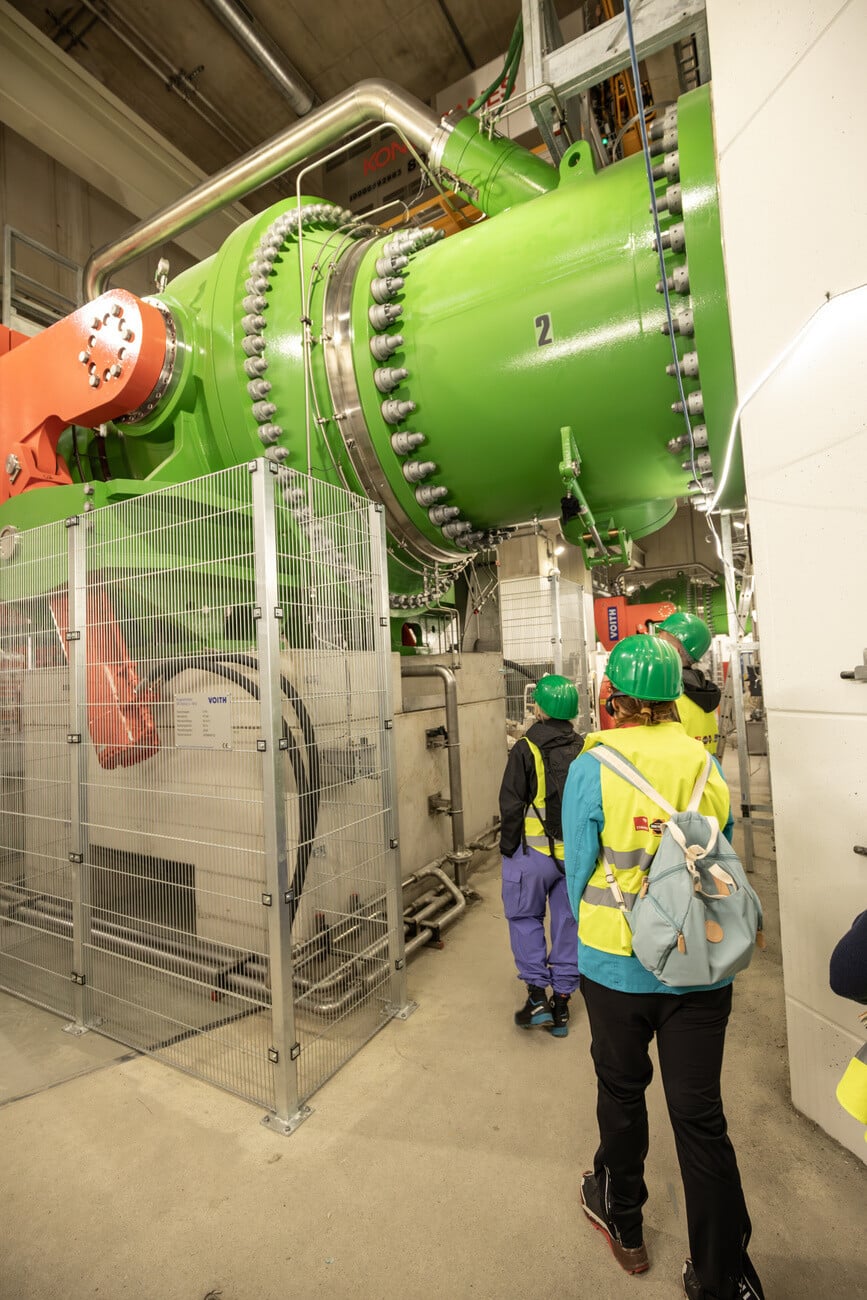
The Kühtai project clearly demonstrates that the energy transition is not a thing of the future, but is already part of the present. The system operating deep within the mountains represents a convergence of modern technology and sustainability, capable of providing a solution to the challenges posed by the energy crisis.
Source: Link








One of Abony’s most important transport routes is to be redesigned

This is how flash floods on the vineyard-covered hills in the Pécs conurbation are being prevented

Order has been restored: production of the new Közlekedési Múzeum can now go ahead as originally planned

We took a look at how the refurbished Igazságügyi palota building turned out

Four new bridges to be built in the heart of the former industrial city

Rain gardens are coming to Budafok, with over 3,000 square metres of green space set to be developed

Contemporary art deco in Csopakon

Safer driving on the motorways: new digital signs for the MKIF
-

 Current at 2026. 09. 09.
A first-hand look at a career in engineering – Duna Group Szabadegyetem is back
-
Climate-X 2026. 09. 09.
Nyíregyháza Spartacus FC goes green – four hundred solar panels to be installed on the stadium roof
-
Bound track 2026. 09. 15.
Nearly 50,000 people travel on it every day – the refurbishment of the Cegléd main line continues
-
Current at 2026. 09. 09.
Rental flats, Rákosrendező, decentralisation – important ideas were put forward on the Real Estate Beach Conference stage