What is being built?
The century-old school building in Szekszárd has been restored after being in a state of disrepair

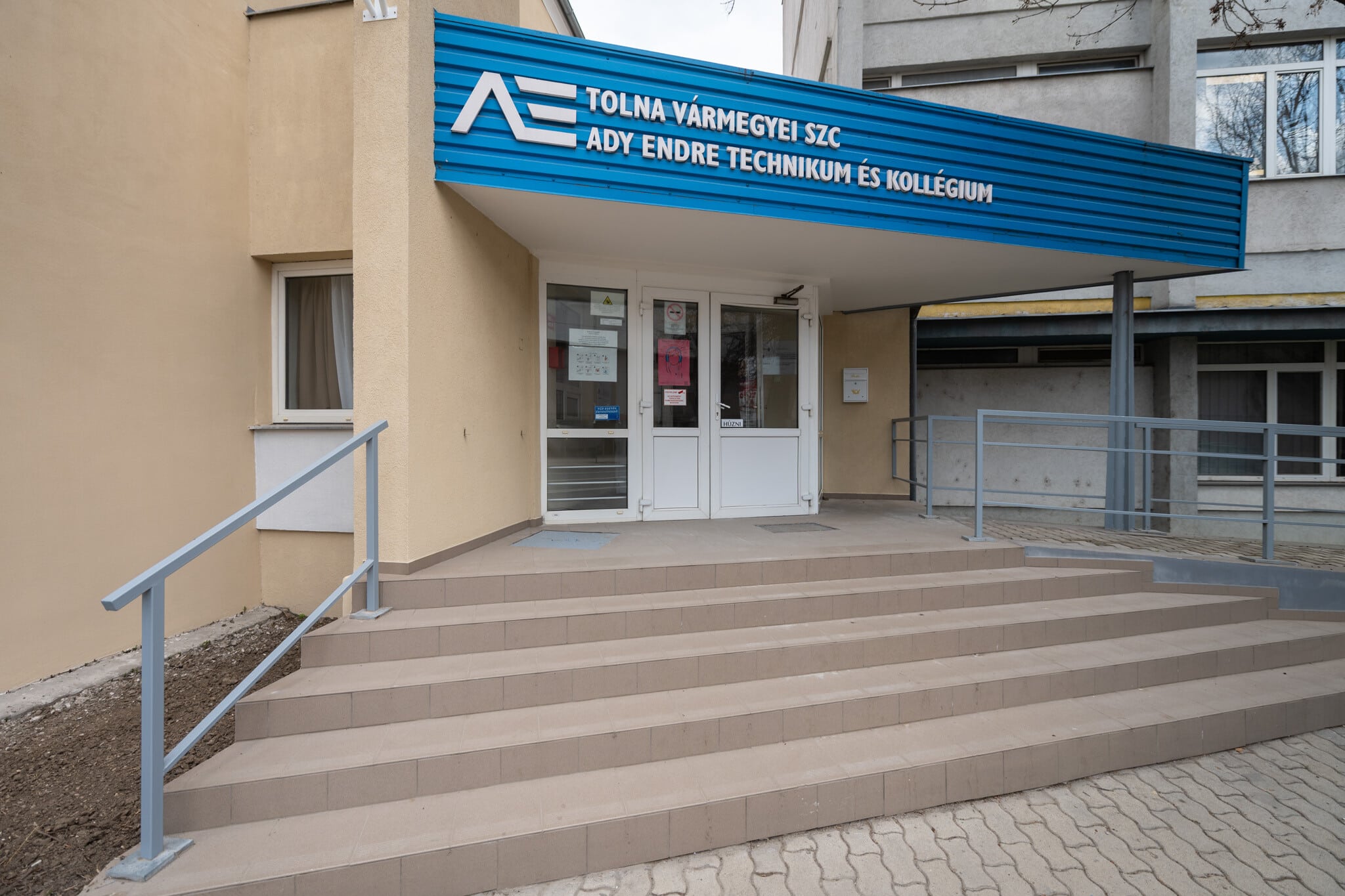
At the beginning of April, students and staff were able to take possession of the refurbished B and K buildings at the Ady Endre Technical College and Boarding School, part of the Tolna County Vocational Training Centre. i.e. the dormitory building, and on 25 March, the modernisation of the historic school building, which is over a century old and stands on the corner of Széchenyi Street, was also completed.
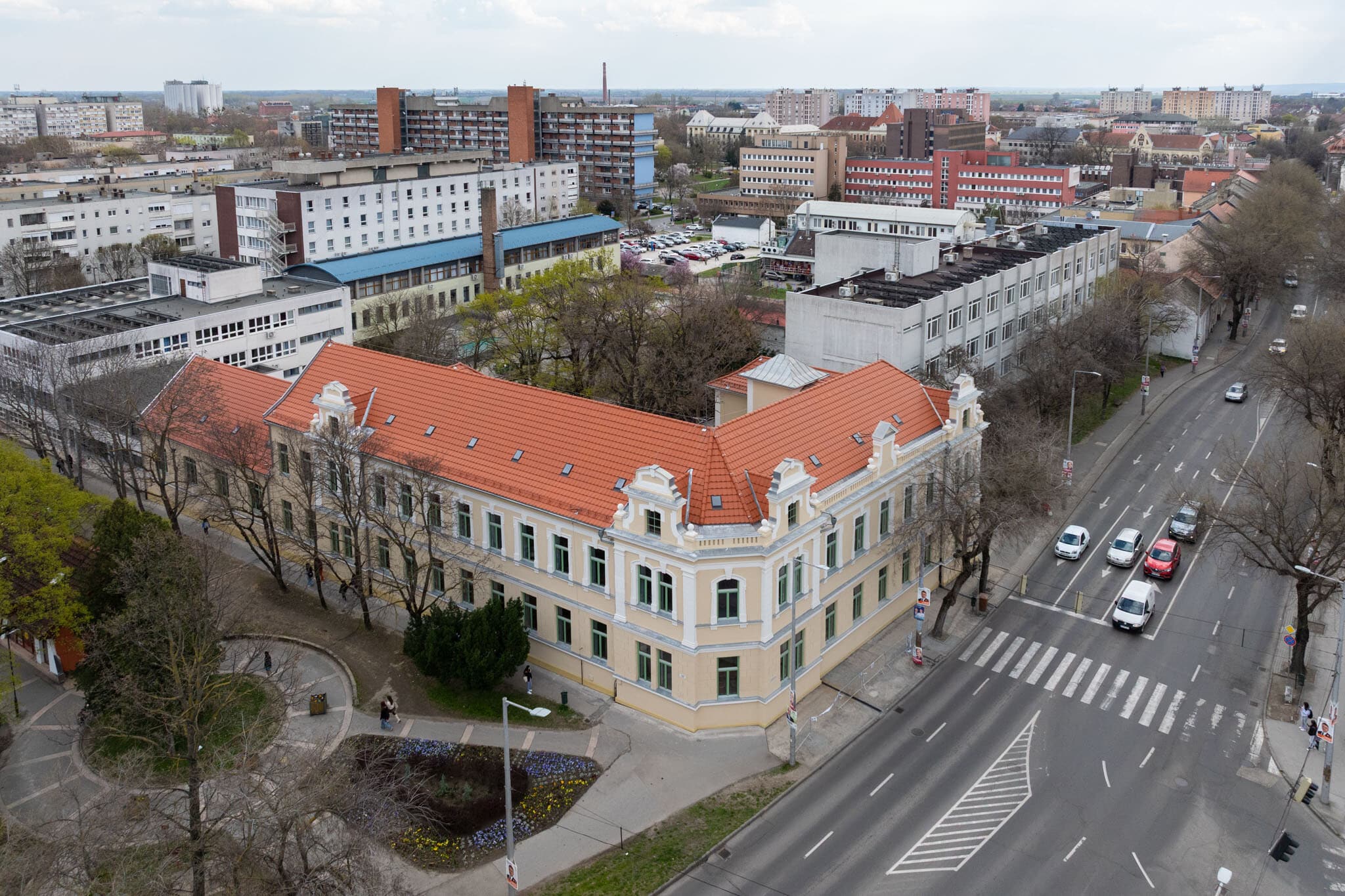
First the hall of residence, then the historic school building were renovated
In the hall of residence building, the renovation of the sanitary facilities and the associated water, waste water and ventilation systems presented a major challenge. In the six-storey building, a total of 18 showers, 56 toilets, 17 urinals, 65 washbasins and 2 sinks were modernised, in addition, 522 square metres of screed were laid, 1,143 square metres of flooring were stripped and new flooring installed, 885 square metres of waterproofing were carried out, and painting and electrical refurbishment works were also completed. The other, far more complex part of the project was linked to the listed Building B. Lóránt Csehi, project manager of VEMÉV-SZER, provided our portal with details.
The school building has become a safety hazard
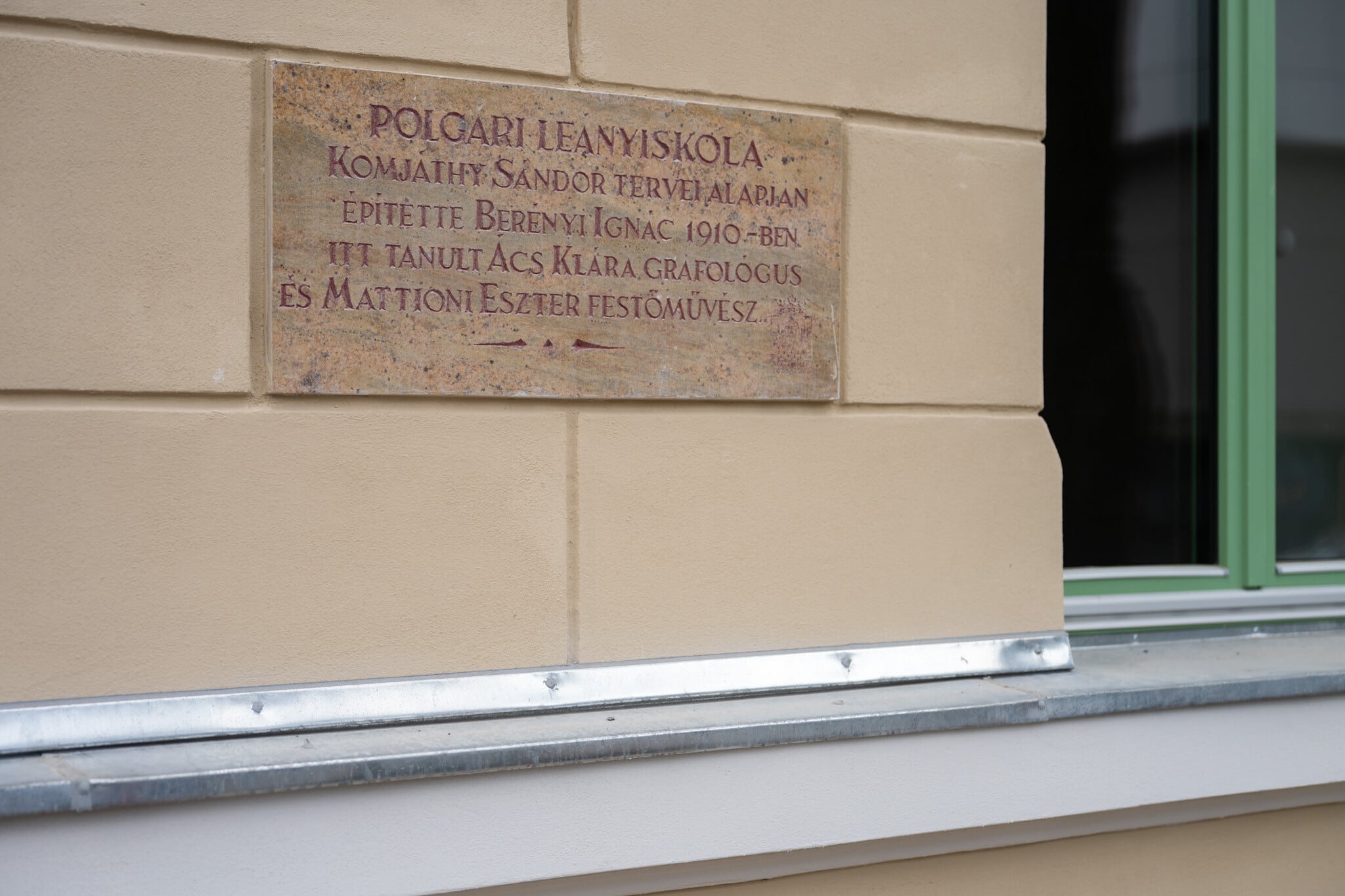
Built in the early 1900s in the Neo-Renaissance style, the building originally served as a girls’ school for the middle classes. Over the past 120 years, it has been altered on several occasions, but a full-scale renovation has not yet taken place.
The River Séd flows behind the school. In the 1990s, the stream was channelled into a reinforced concrete conduit to allow the area to be developed; however, the stream bed’s role in draining groundwater was overlooked during the conversion. The enclosed reinforced concrete channel prevented this natural process, causing the groundwater level in the area to rise significantly. The water, combined with the traffic load in the area, caused the building’s structure to subside, and the situation deteriorated to such an extent that the building was declared a life-threatening hazard.
The current renovation may have been based on the previous structural reinforcement
The most serious structural issues have already been addressed:
In 2019, they reinforced the foundations – effectively building new ones – and in doing so saved the school, which is nearly 120 years old.
During the works that began last year, the VEMÉV-SZER project, building on this intervention, created the conditions for this building of historical value to once again serve the purposes of education safely and in a modern manner.
The current project was therefore about much more than a simple renovation: it involved putting a building back on track where its structural history, damp problems and heritage status all set the framework for the works.
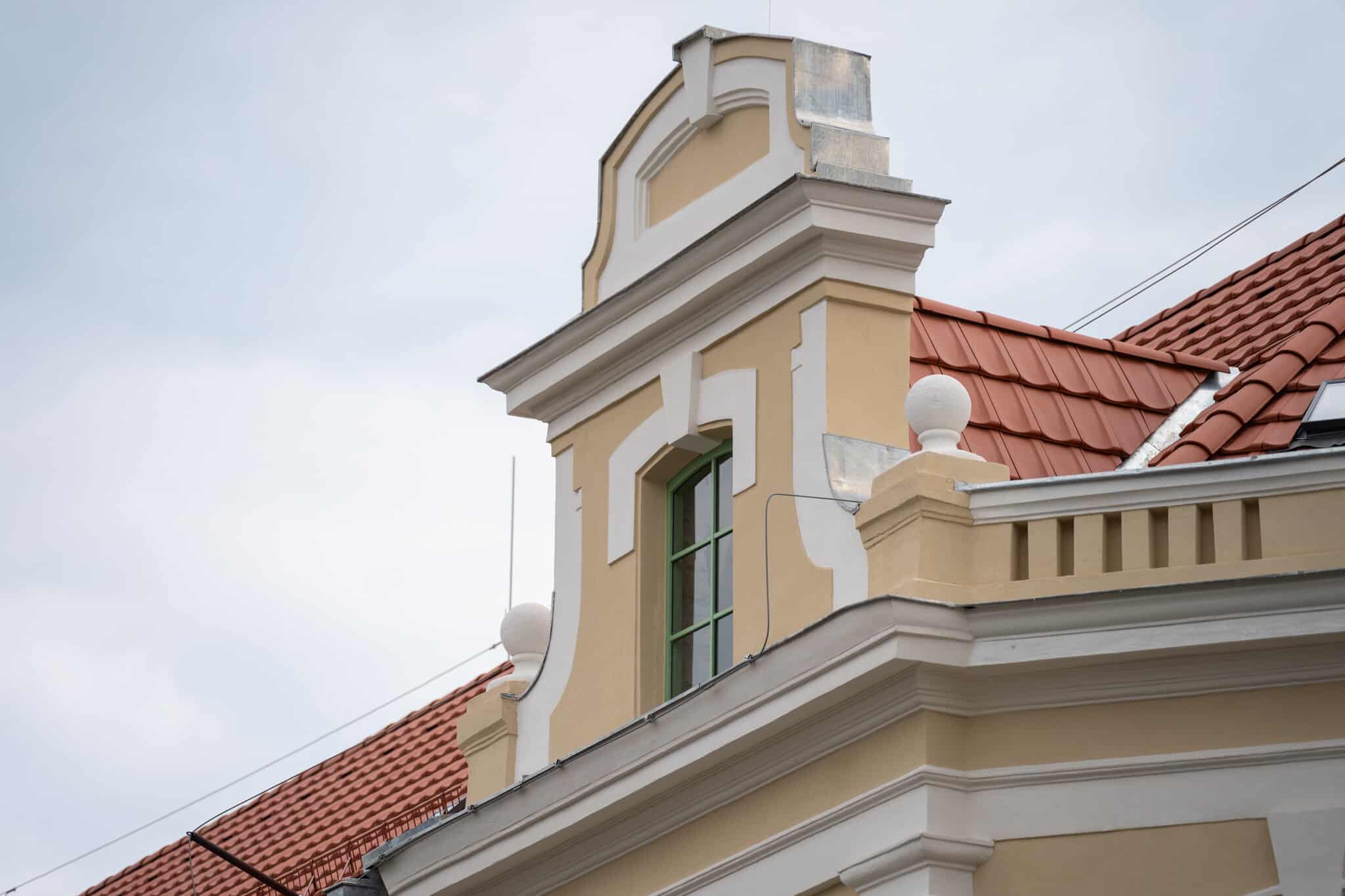
Standard solutions didn't work for the façade
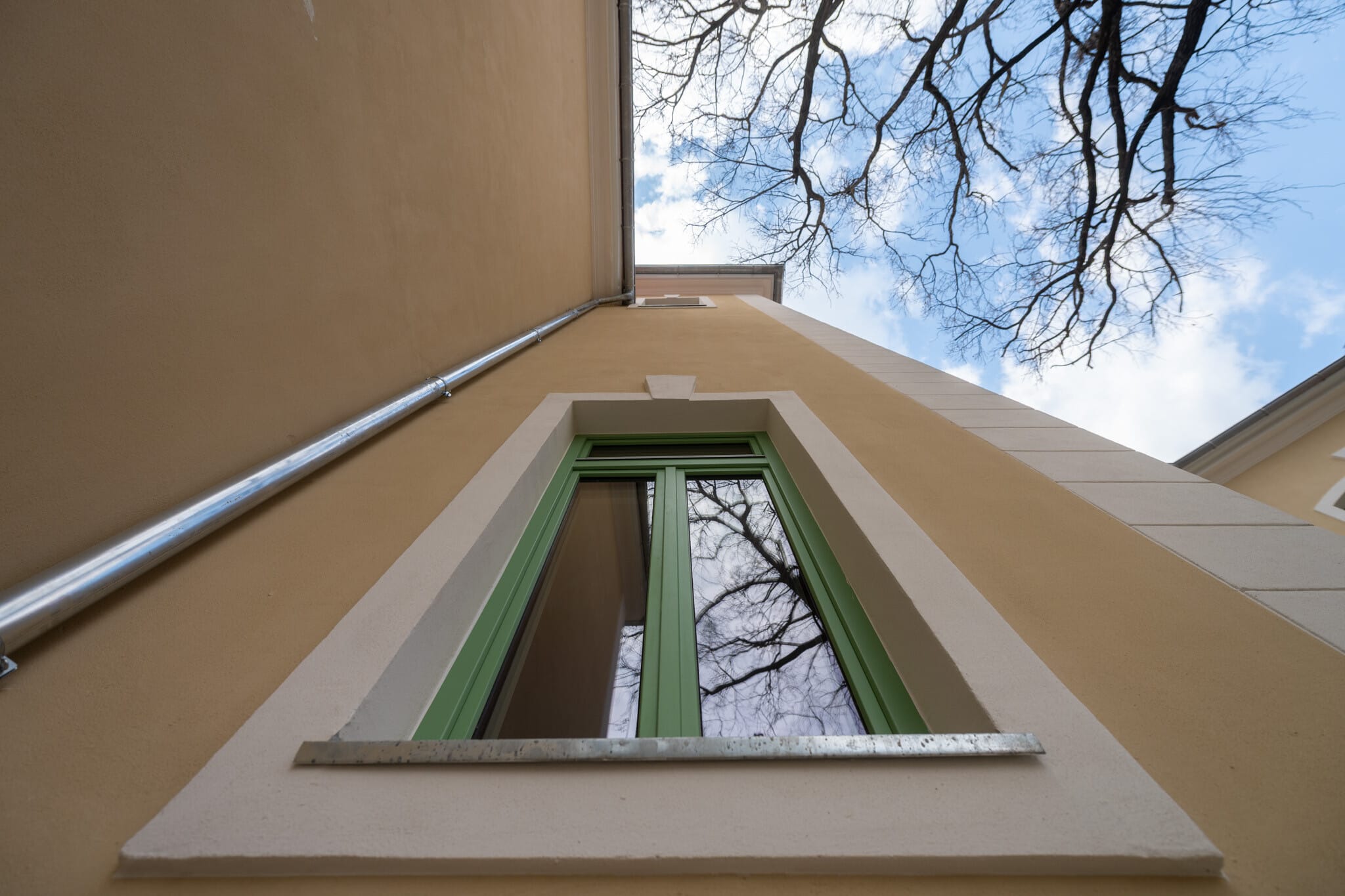
One of the most delicate aspects of the renovation of Building B was the restoration of the façade. Work began with a full-surface inspection following the erection of scaffolding: the façade was tapped all over, and a damage map was drawn up. Based on the survey, sections of plaster that had become loose, crumbled or detached were removed, and the points where deeper structural intervention was required were also marked out.
Lóránt Csehi explained that the structural cracks were reinforced using wall-stitching technology, after which the restoration of the surfaces that had suffered the most damage could begin.
With a building in such a condition, and one of historical significance at that, it was not possible to consider individual materials in isolation, but only within a system whose components work together in a predictable manner.
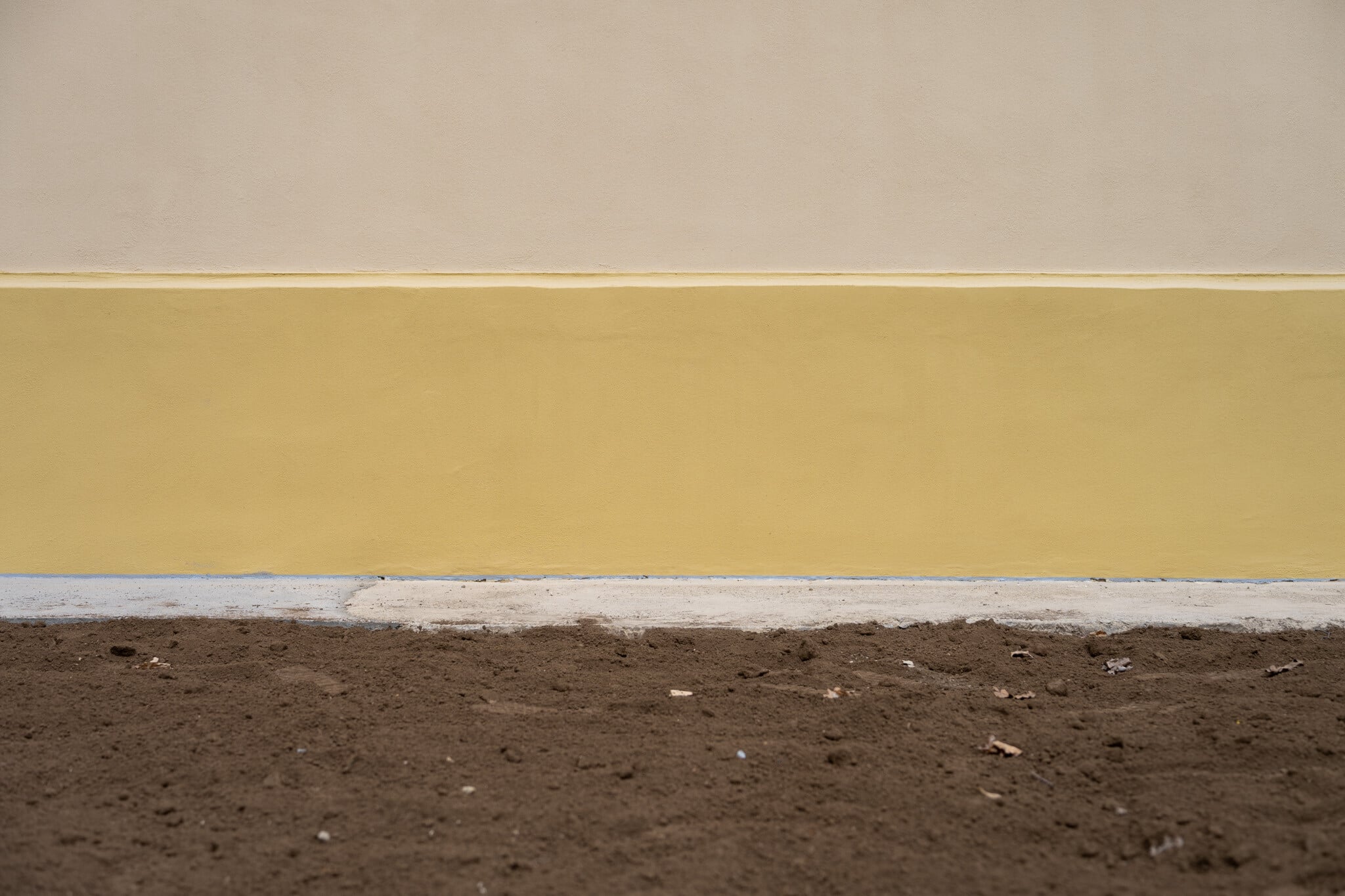
The façade restoration was carried out using the CEMIX system
For the renovation of the façade, the contractor based the technology on CEMIX products. The decision was influenced not only by the technical properties of the materials, but also by the fact that the manufacturer supported the work with product support and expert advice. Adhesion and laboratory tests supported the development of technical solutions tailored to the building’s characteristics, which was a particularly important consideration for a facade subject to structural movement and with an uneven surface.
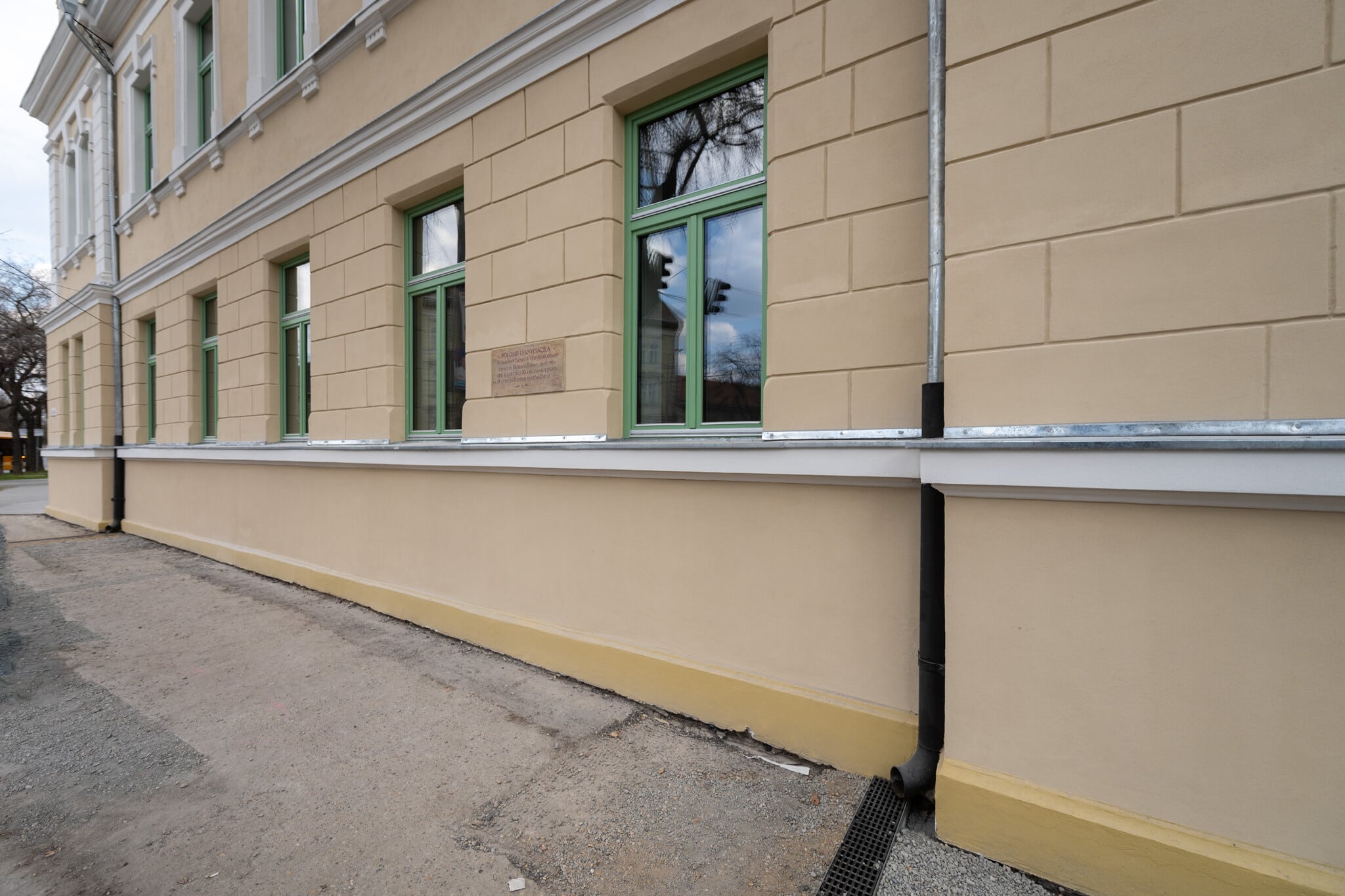
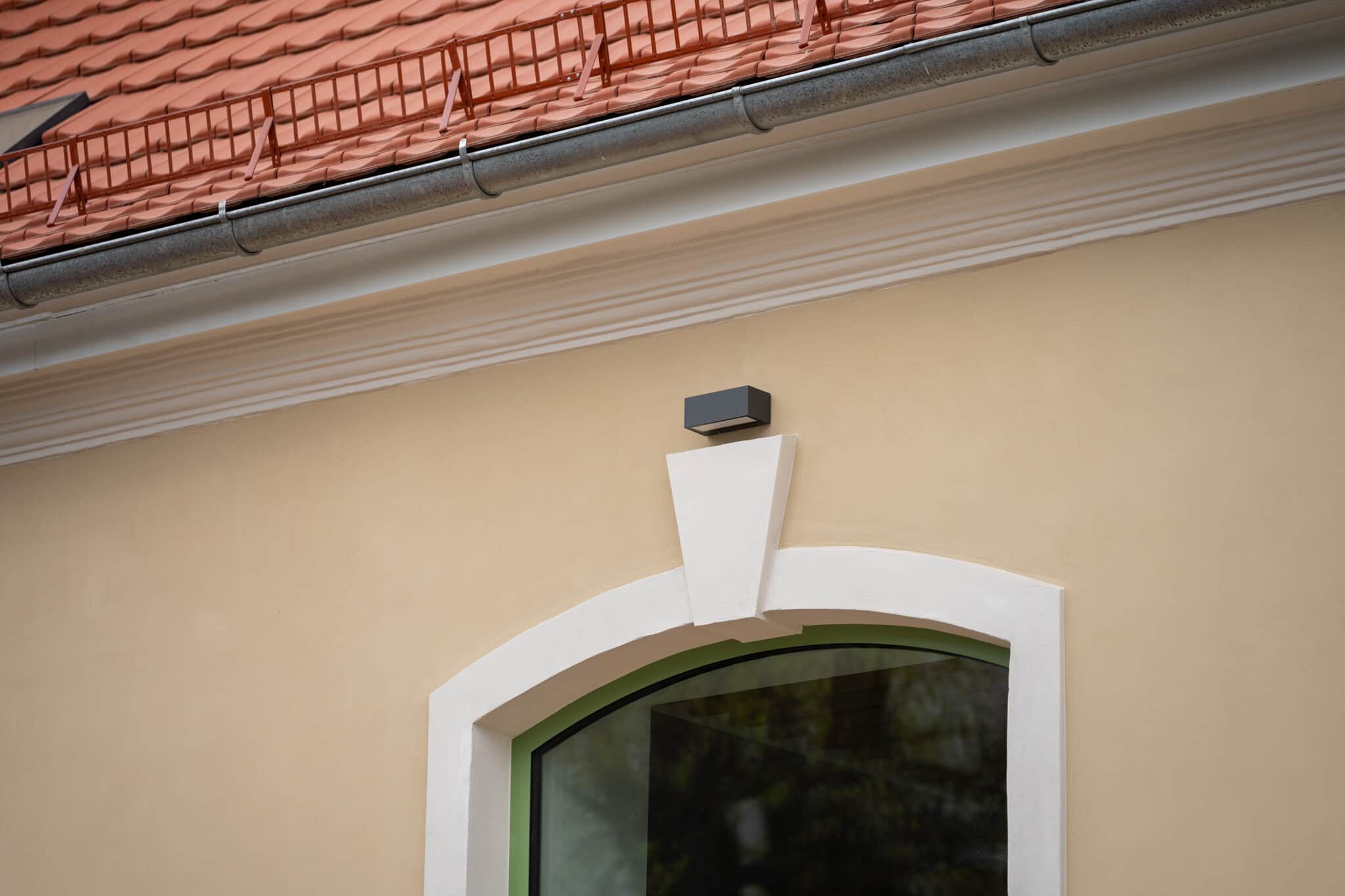
The most severely damaged sections 2012 PREMIUM and 2130 EUROSAN VS scratch coat, followed by 2060 KVÁDERVAKOLAT. Prior to this, the missing laths and decorative elements were replaced, and then a smooth surface was created using CEMIX 2111 RENTI FEIN fine-grained repair mortar to create a smooth surface. For deep priming, 2614 DEEP PRIMER was used, and the final finish was achieved using the silicone-based 2800 SILICONTOP facade paint.
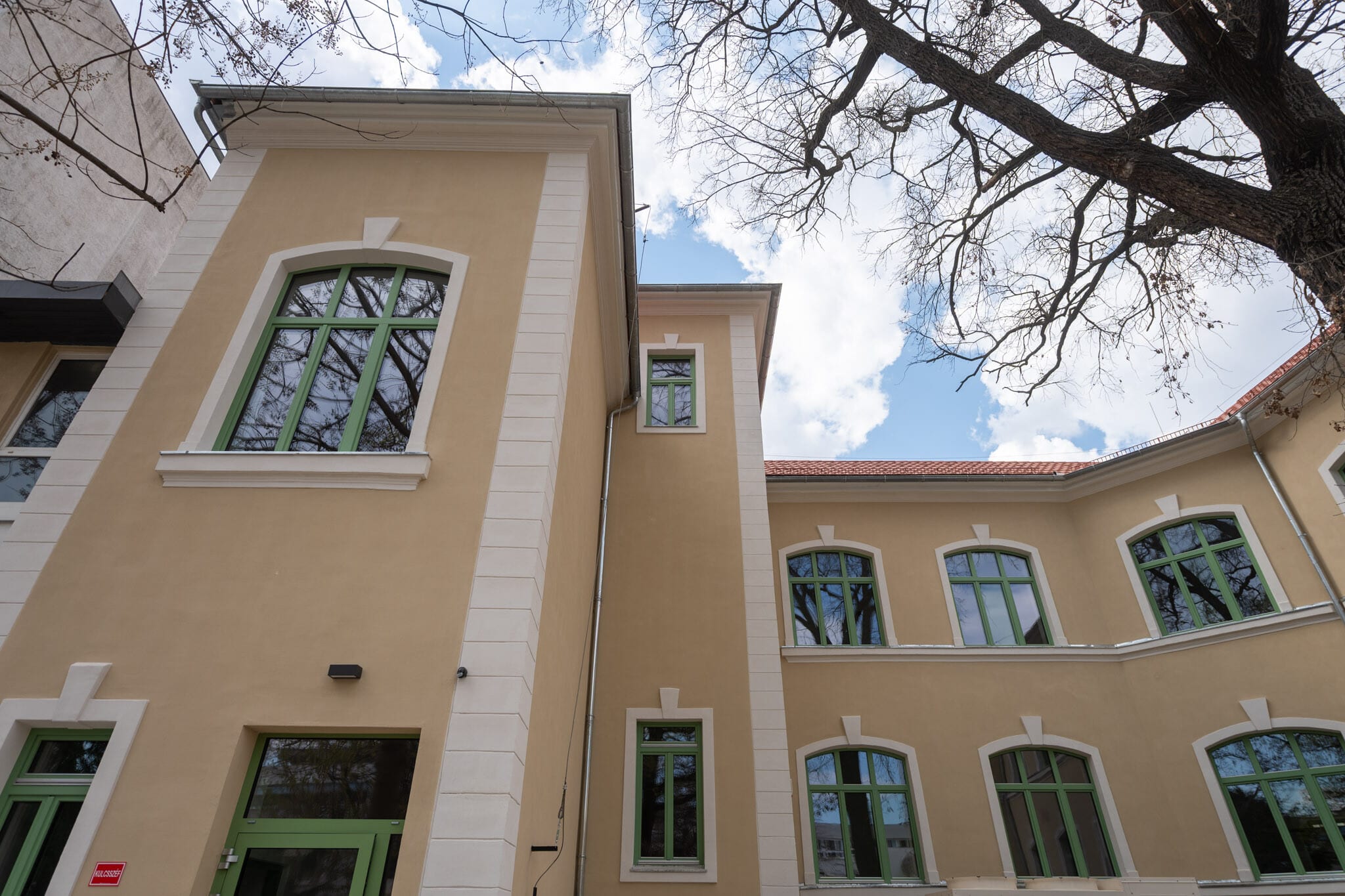
Key factors in the selection process included adequate grip, breathability, water repellency and weather resistance.
With a school building of this age, façade renovation cannot be reduced to a purely aesthetic issue: the treatment must address the reinforcement of weakened surfaces, moisture conditions and long-term surface protection.
The vapour balance also had to be dealt with separately
Due to the building’s heritage status, a new layer of thermal insulation could not be applied to the exterior; consequently, vapour balance was ensured by using Multipor on the interior. This clearly demonstrates that the project did not involve solving a single problem, but rather required the simultaneous management of several interrelated technical challenges.
The practical advantages of the materials used during construction included quick workability and predictable setting times, which were particularly important for a project where several phases had to be precisely coordinated.
Not only the façade, but the entire building has been renovated
One of the most striking aspects of the project was the restoration of the façade; however, the technical scope of the works proved to be much broader than this. In Building B, the modernisation of the two floors and the gymnasium covered a total area of 1,266.9 square metres.
During the works, the roof covering was replaced over an area of 1,132 square metres, 86 window and door frames were dismantled and replaced, the sanitary facilities were refurbished, the electrical network and building services were modernised, and insulation work was carried out over an area of nearly 9,000 square metres.
In this listed building, floor coverings were replaced across 1,210 square metres, water-based emulsion paint was stripped from 2,565 square metres, 4,345 square metres were plastered, 1,363 square metres were primed, painted 4,510 square metres, and the façade painting covered 1,963 square metres.
As part of the mechanical systems upgrade, a heat pump heating and cooling system was installed, and underfloor heating was fitted in the communal area.
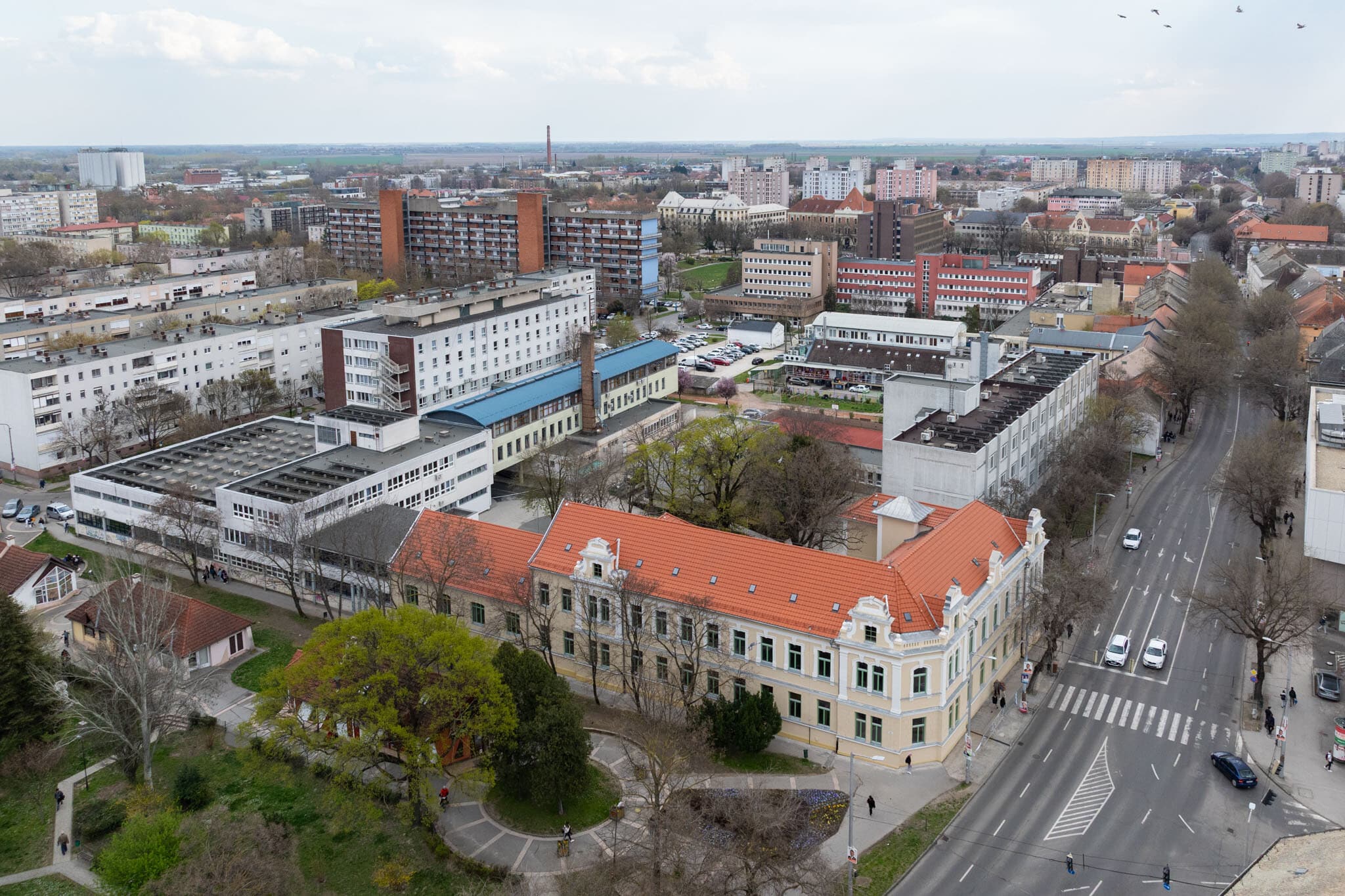
As a result of the work carried out by VEMÉV-SZER, a historically significant school building that had previously suffered severe damage has been restored without losing its character. The project in Szekszárd thus went beyond a simple modernisation: a technical and architectural refurbishment was carried out in which, alongside the contractor’s work, CEMIX’s system-level solutions also played a decisive role.
Source: Link








The Buda interchange could also be extended northwards

A railway bridge will link the sections of the Tokaj-kör route: cycling infrastructure development in the wine region continues

Many people from the capital are also choosing it as their new home: four buildings are being constructed in Gárdony using a special foundation system

One of Abony’s most important transport routes is to be redesigned

Four new bridges to be built in the heart of the former industrial city

Rain gardens are coming to Budafok, with over 3,000 square metres of green space set to be developed

Contemporary art deco in Csopakon

Safer driving on the motorways: new digital signs for the MKIF
-

 Current at 2026. 09. 09.
A first-hand look at a career in engineering – Duna Group Szabadegyetem is back
-
Climate-X 2026. 09. 09.
Nyíregyháza Spartacus FC goes green – four hundred solar panels to be installed on the stadium roof
-
Bound track 2026. 09. 15.
Nearly 50,000 people travel on it every day – the refurbishment of the Cegléd main line continues
-
Current at 2026. 09. 09.
Rental flats, Rákosrendező, decentralisation – important ideas were put forward on the Real Estate Beach Conference stage