Climate-X
Plans can be drawn up for a new canal linking the Körös rivers

Under the CMPLX-WATER programme, which supports disaster risk prevention and adaptation to climate change, Romania and Hungary are focusing on strengthening flood response capabilities and increasing water retention to mitigate the effects of drought. In the cross-border region covering Bihor, Hajdú-Bihar and Békés counties, several parallel yet interlinked water management development projects are being prepared and implemented. These include the preparation of technical documentation for the canal connecting the Körös rivers, the restructuring of water distribution, flood prevention works and canal reconstruction.

An important milestone in this comprehensive project is the completion of the public procurement procedure under which ERBO-PLAN Mérnöki Szolgáltató Kft. has been commissioned by the Körös Regional Water Authority to design the connecting canal between the Sebes, Kettős, Fekete and Körös rivers.
The region's water distribution system may be reorganised
The planned gravity-fed water conveyance route would allow water to be transferred from the Sebes-Körös, which is more balanced in terms of water resource management, to the Fekete-Körös riverbed. It is also hoped that the implementation of the project will ensure that the lowland water management area between the Sebes and Fekete-Körös rivers receives water through regional water distribution.
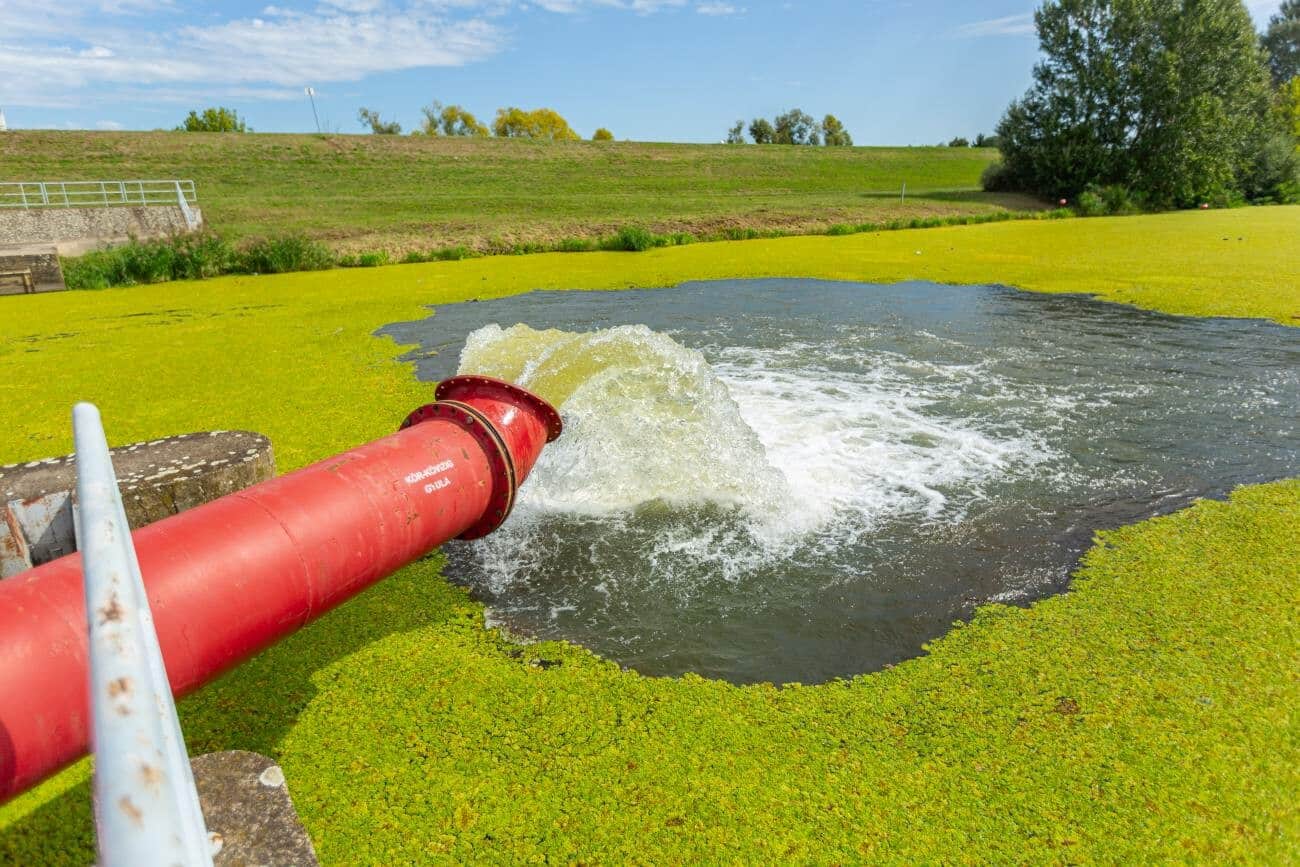
A drainage route of around 44 kilometres is set to be constructed
The experts at ERBO-PLAN are tasked with designing a drainage route approximately 44,000 metres long, the majority of which would take the form of an elevated channel. Relying on the existing Biharugra weir, the system could convey a water flow of around 4–6 m³/s all the way to Sarkad.
By converting the existing inland water channels, the water flow would be directed into the impounded water body of the Fekete-Körös.
Water management experts would alleviate the burden on the Fekete-Kettős-Körös catchment area, which is more severely affected by water shortages, by reallocating and redistributing existing water resources, drawing on part of the Sebes-Körös’s reserves.
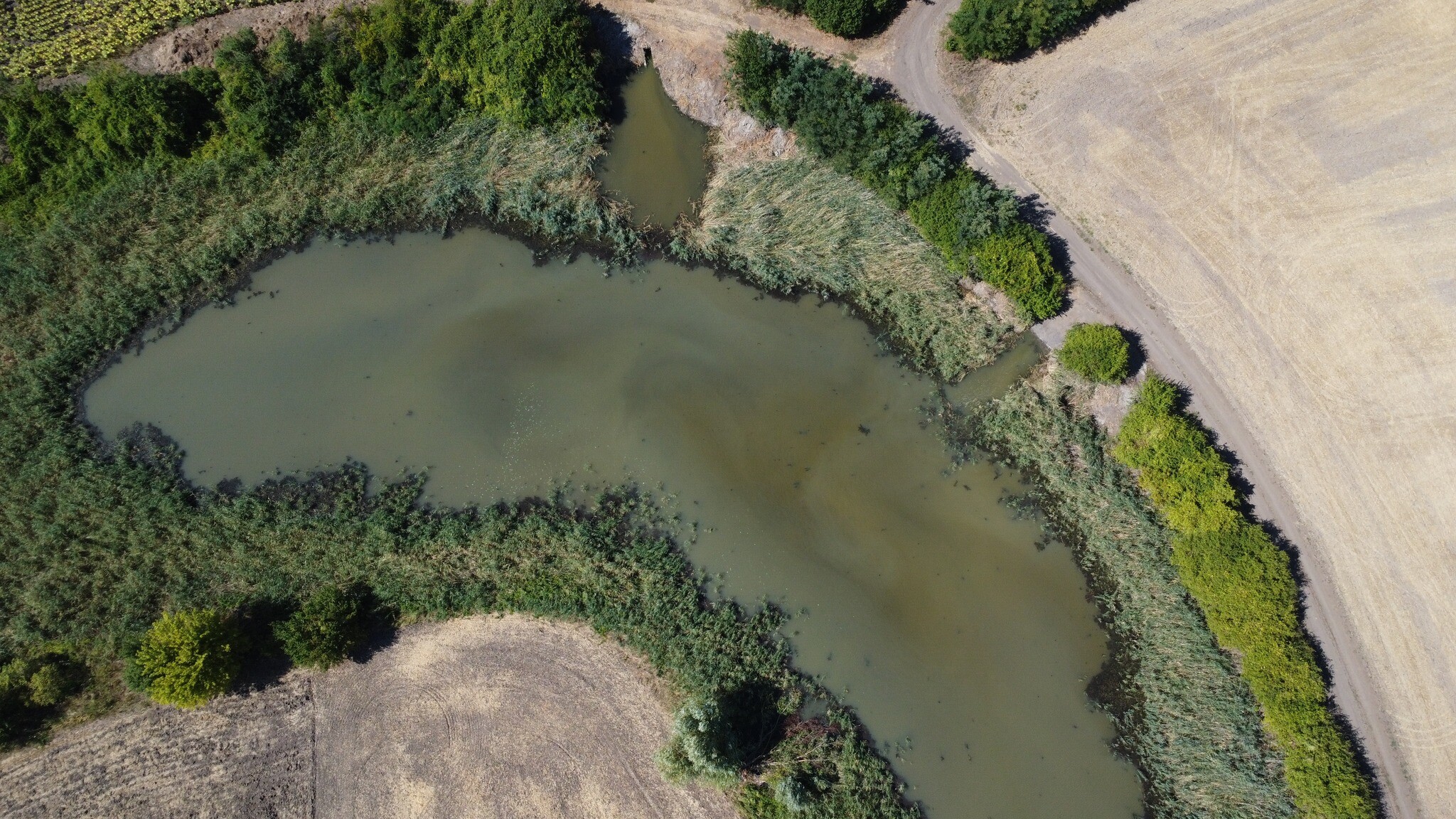
A new canal could link the rivers
The planned Sebes-Kettős-Fekete-Körös connecting canal could be constructed with a bottom width of approximately 4.0 and 3.1 metres respectively, with a gradient of 1:1.5 and an operating water depth of approximately 2.0 metres.
The canal connecting the two rivers would start from the intake channel at the pumping station above the Biharugra weir and cross the left bank embankment of the Sebes-Körös at approximately the 55+165 km mark. It would be fed by a 2×NÁ2200 mm pipe sluice, thus ensuring a water flow of around 4–6 m³/s.
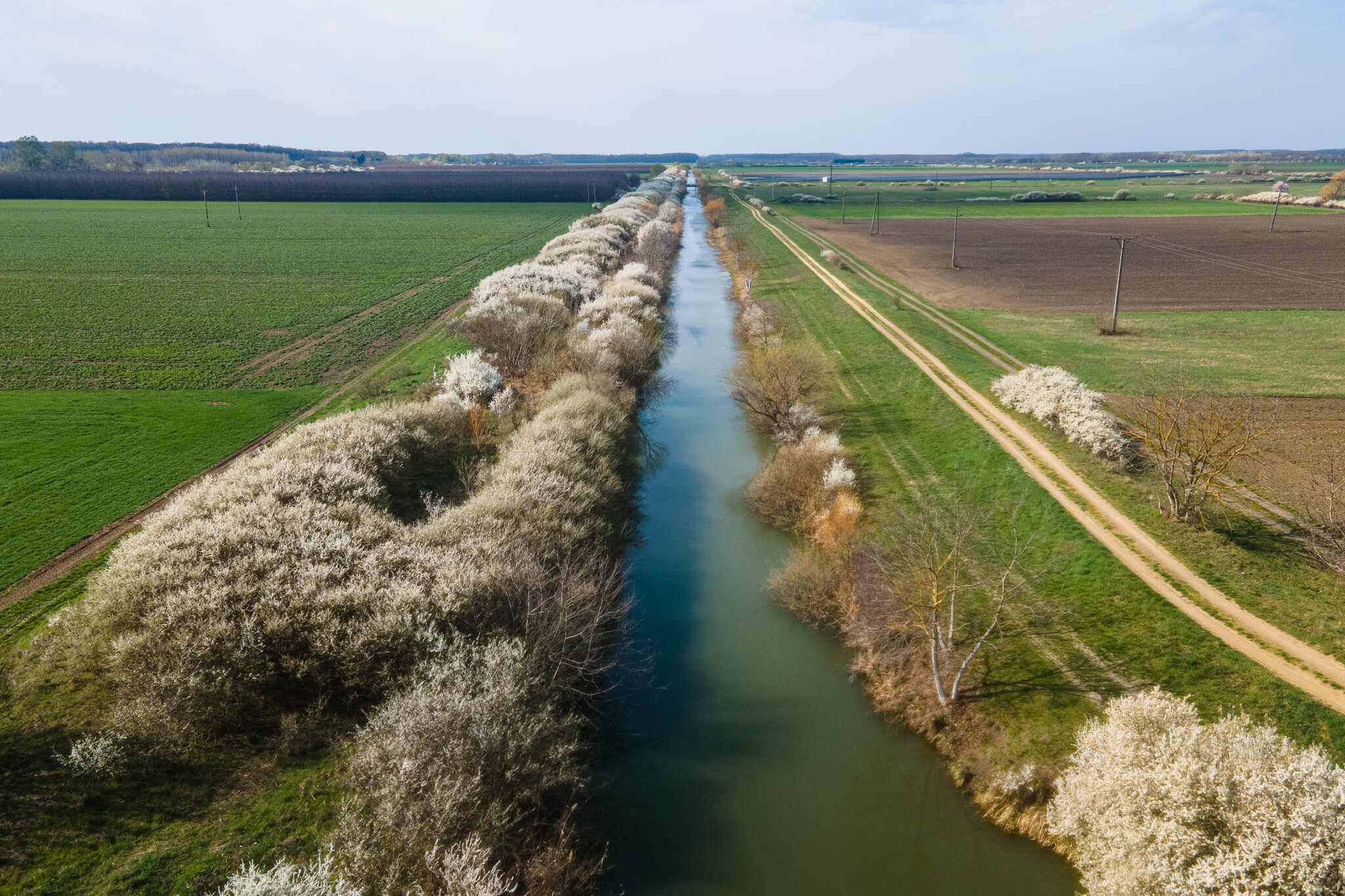
The plans include two reservoirs
According to the plans, the water management system would include two reservoirs – the Biharugra and the Mezőgyán reservoirs – with a combined capacity of 12–15 million m³. These facilities may be located within protected natural areas.
The tasks of the company commissioned to carry out the design work include preparing an environmental impact assessment for the connecting canal between the Sebes, Kettős and Fekete-Körös rivers and the Sebes-Körösi water intake facility, as well as drawing up the plans required for the permit application.
Source: Link











One of Abony’s most important transport routes is to be redesigned

This is how flash floods on the vineyard-covered hills in the Pécs conurbation are being prevented

Order has been restored: production of the new Közlekedési Múzeum can now go ahead as originally planned

We took a look at how the refurbished Igazságügyi palota building turned out

Four new bridges to be built in the heart of the former industrial city

Rain gardens are coming to Budafok, with over 3,000 square metres of green space set to be developed

Contemporary art deco in Csopakon

Safer driving on the motorways: new digital signs for the MKIF
-

 Current at 2026. 09. 09.
A first-hand look at a career in engineering – Duna Group Szabadegyetem is back
-
Climate-X 2026. 09. 09.
Nyíregyháza Spartacus FC goes green – four hundred solar panels to be installed on the stadium roof
-
Bound track 2026. 09. 15.
Nearly 50,000 people travel on it every day – the refurbishment of the Cegléd main line continues
-
Current at 2026. 09. 09.
Rental flats, Rákosrendező, decentralisation – important ideas were put forward on the Real Estate Beach Conference stage